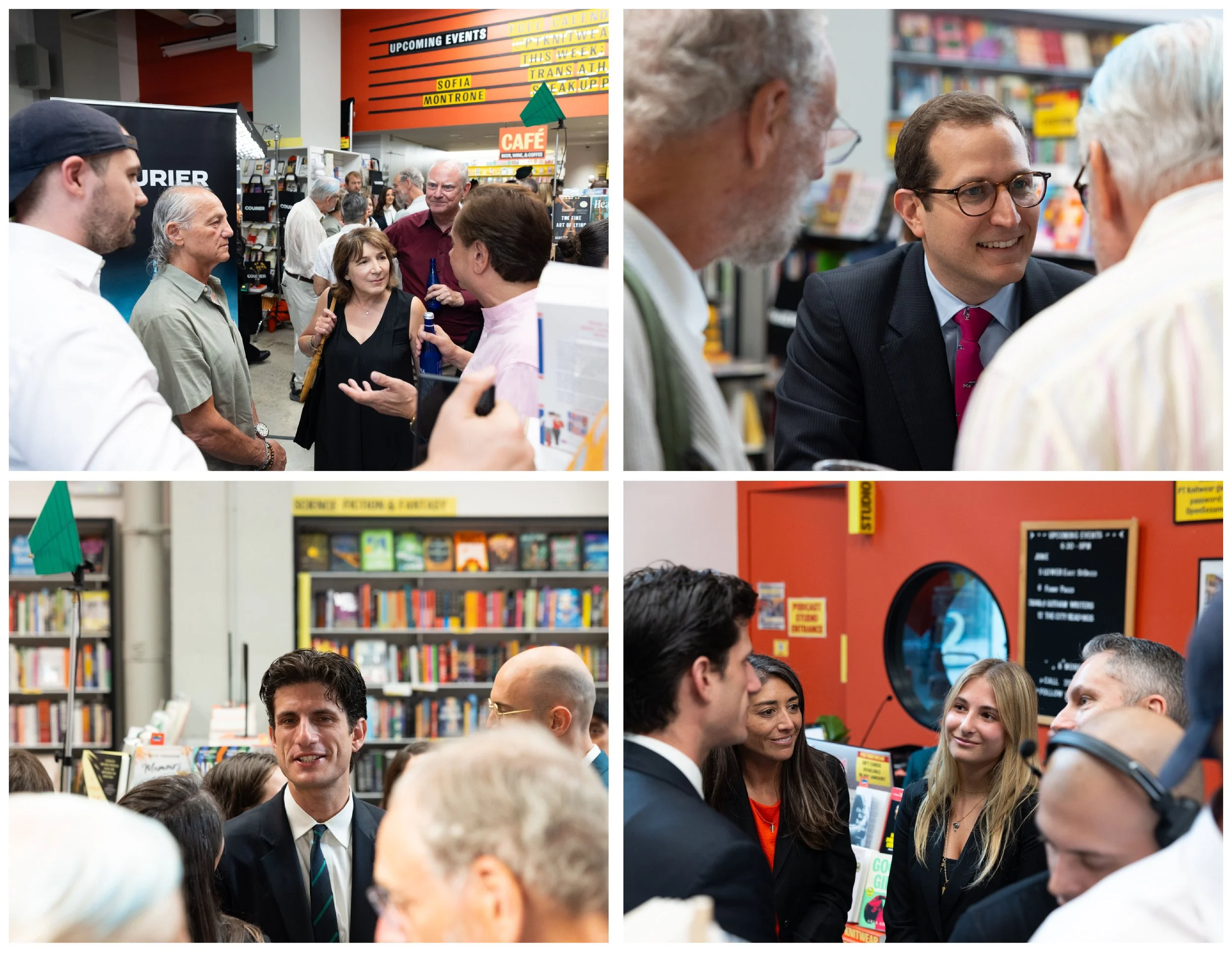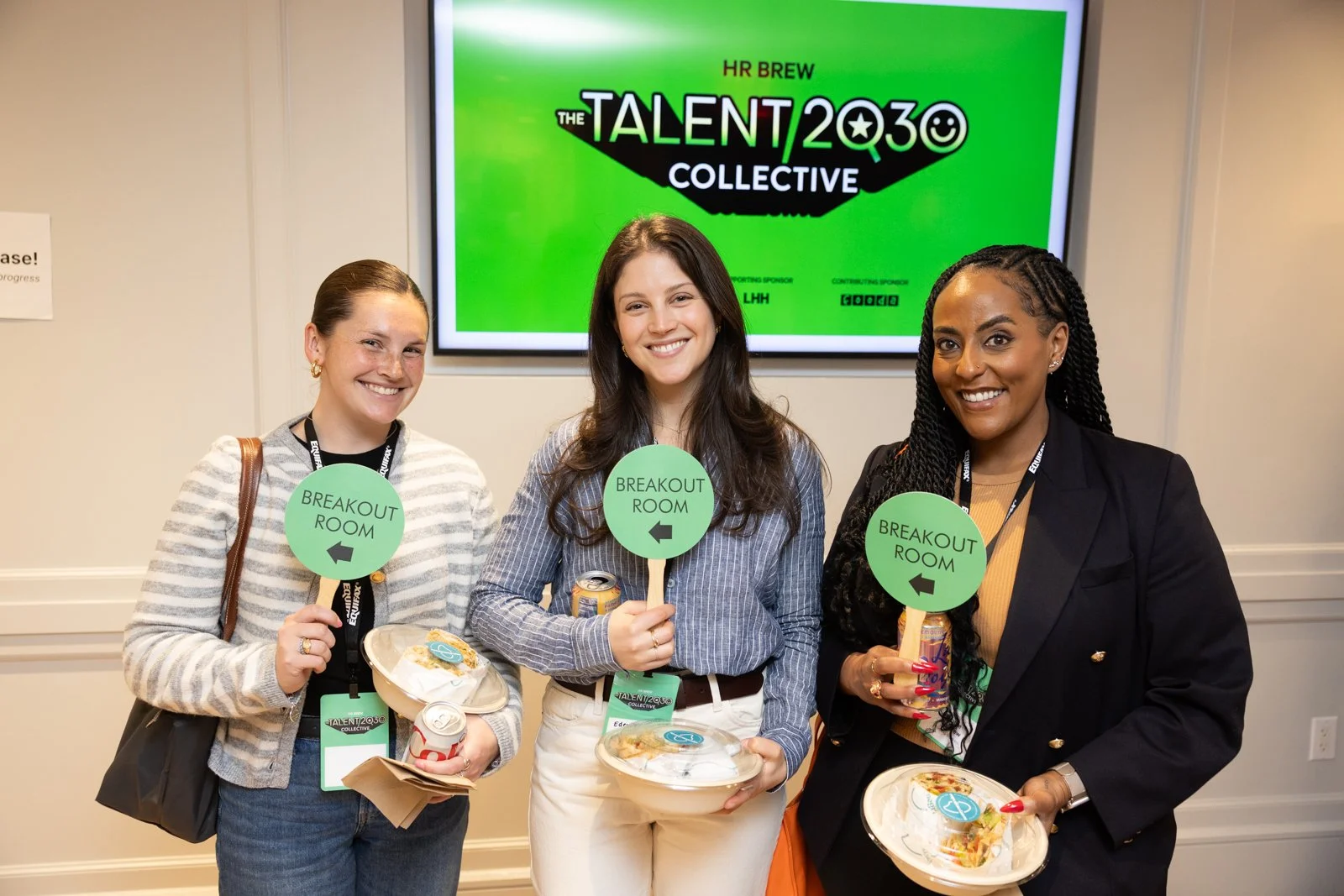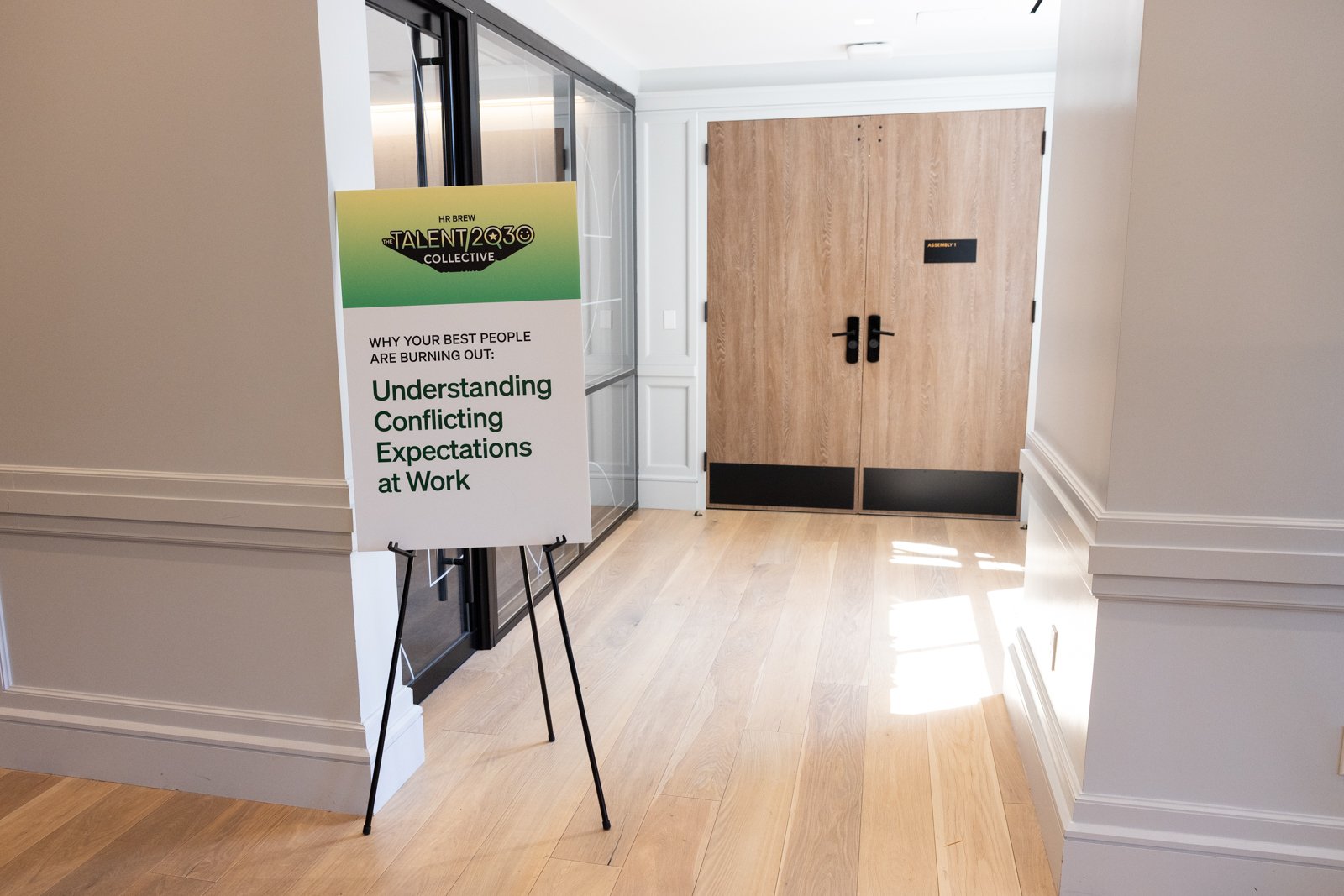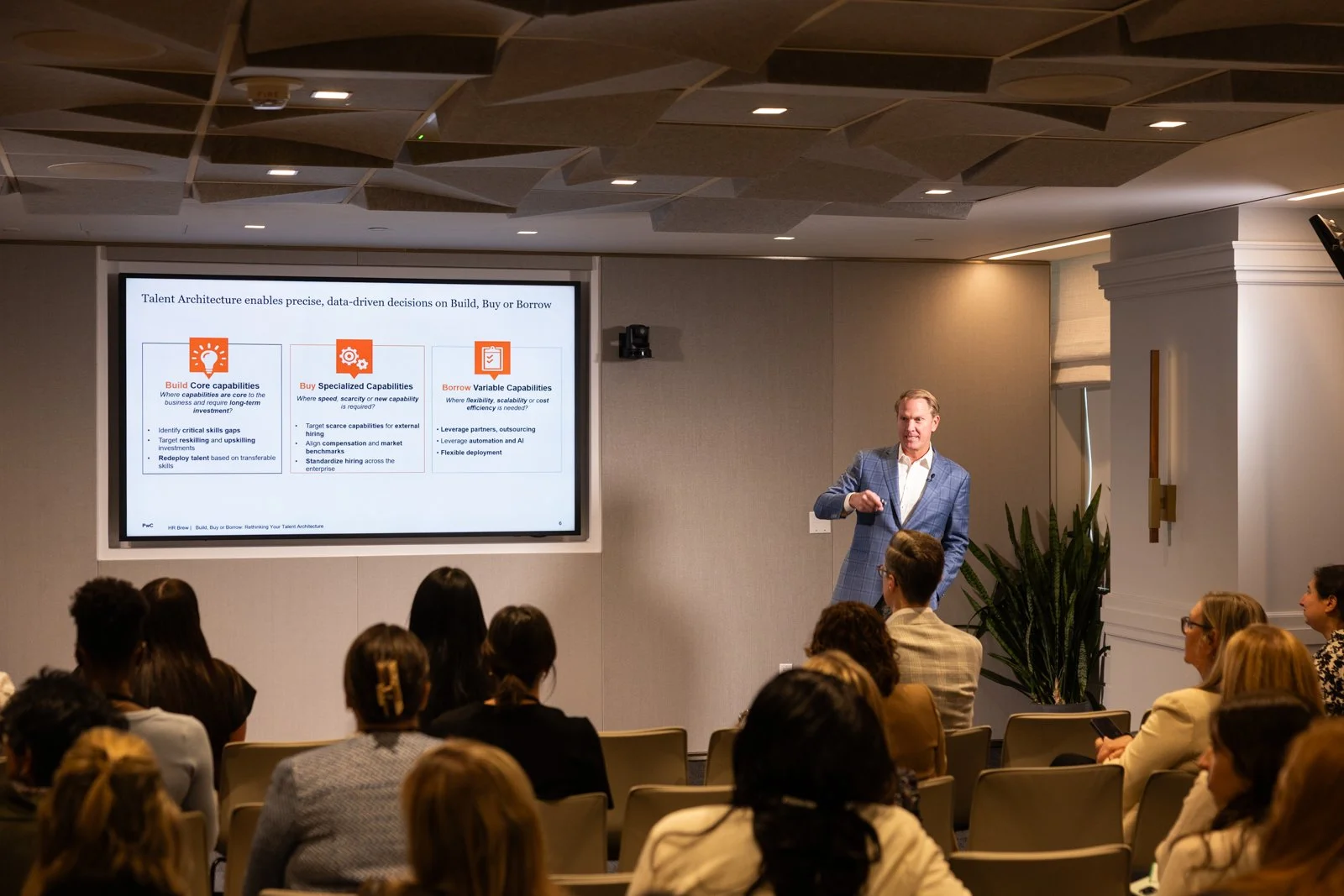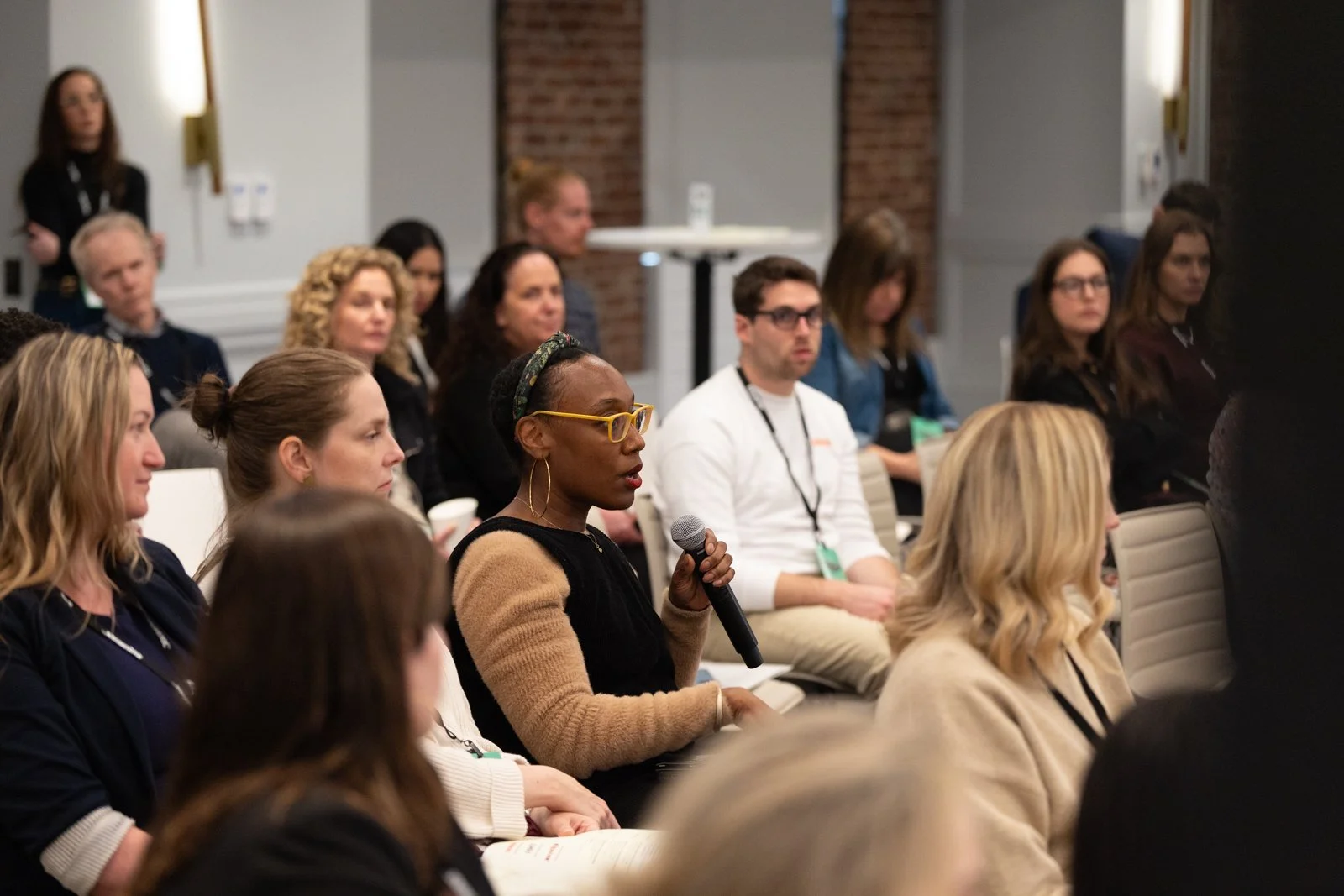
Corporate Event

5 Reasons Why Hiring a Professional NYC Conference Photographer is a Marketing Necessity even in 2026

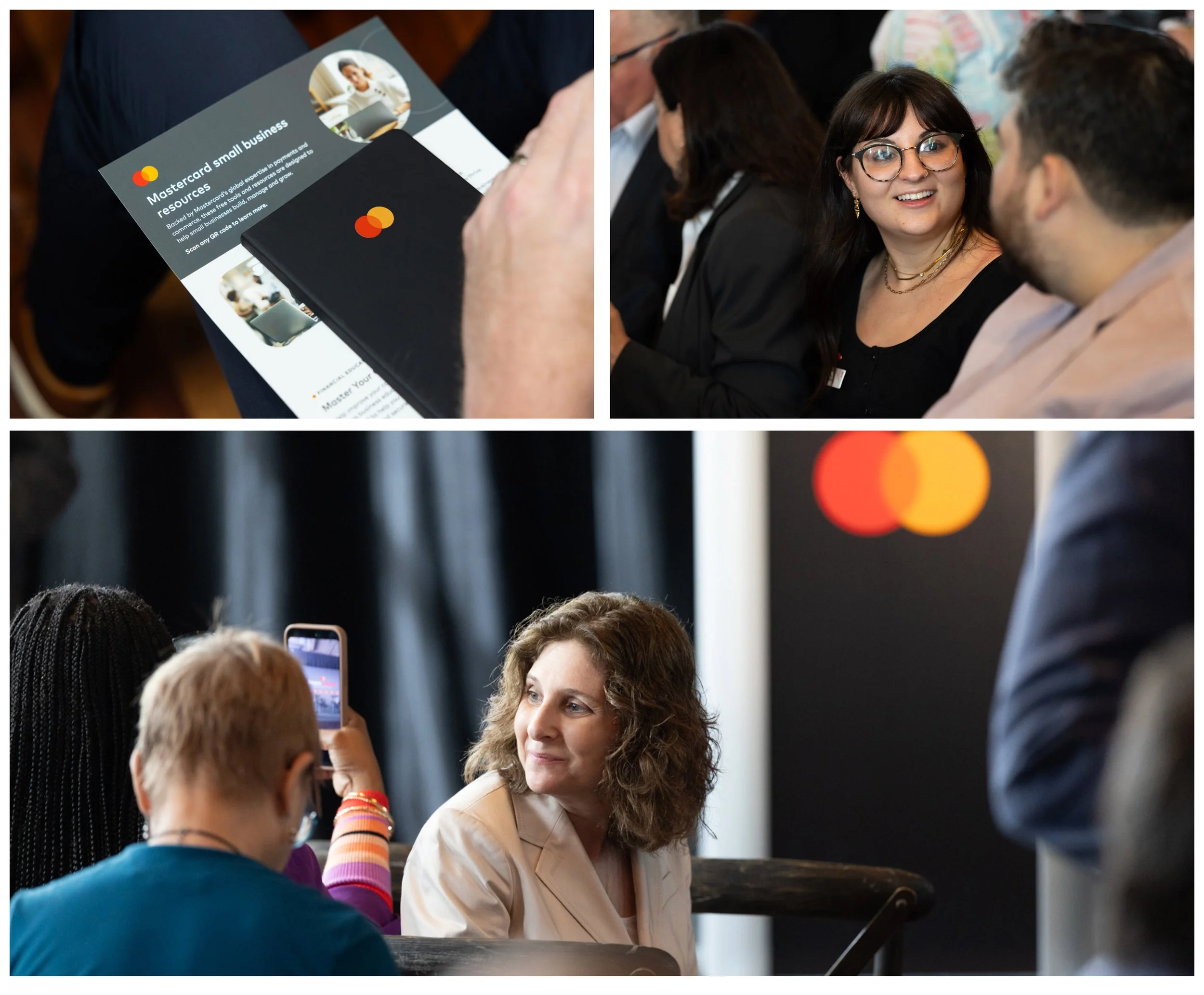
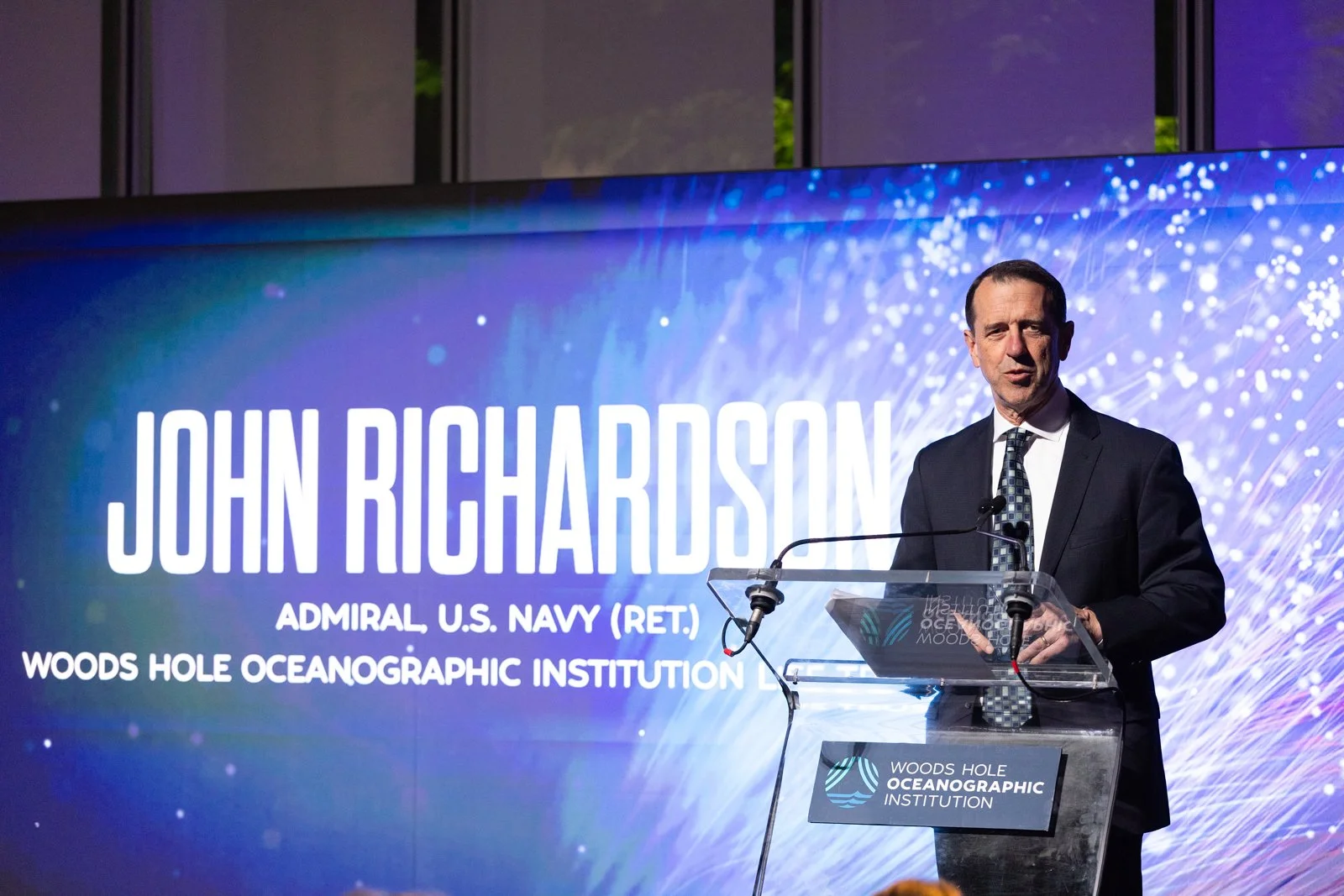
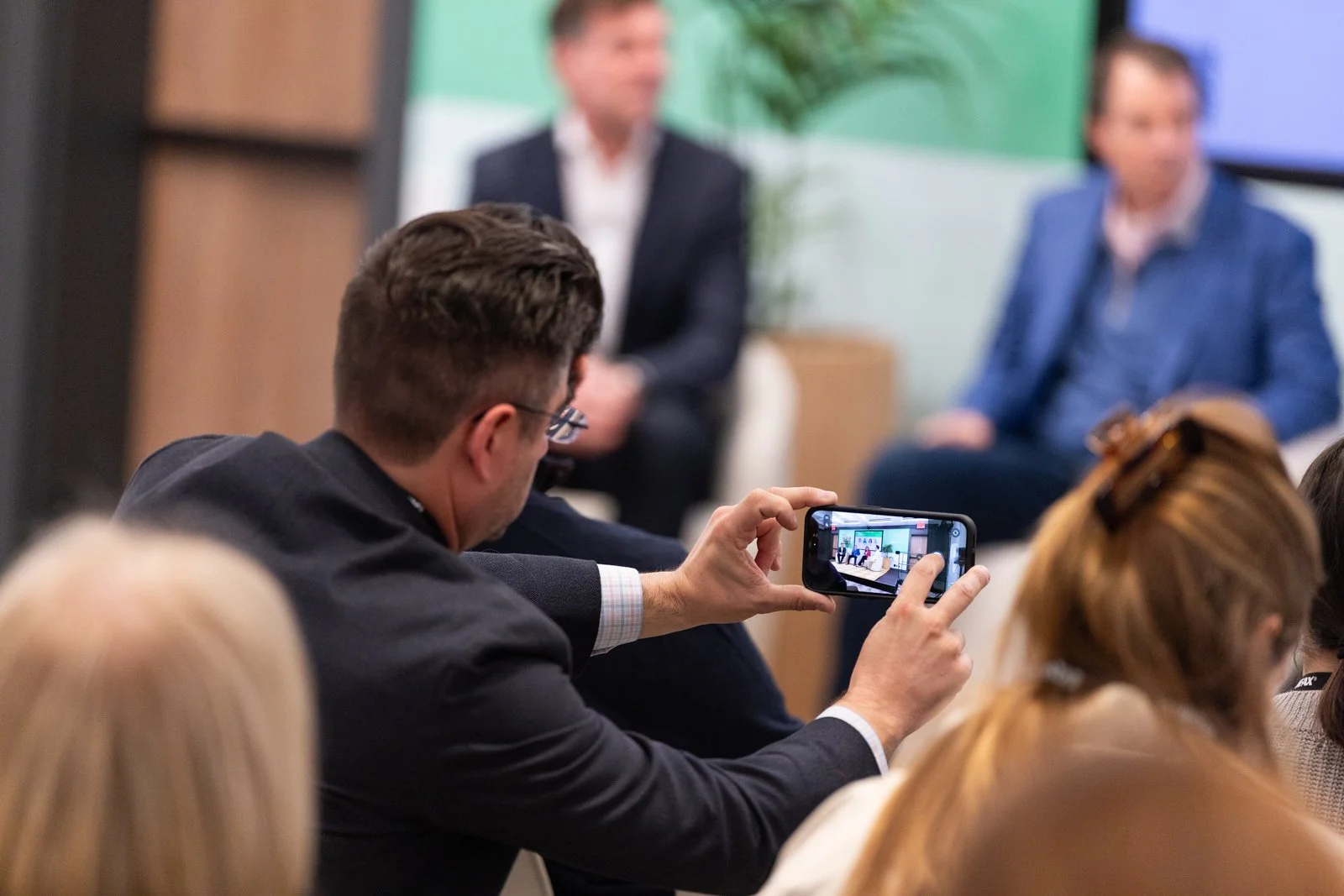
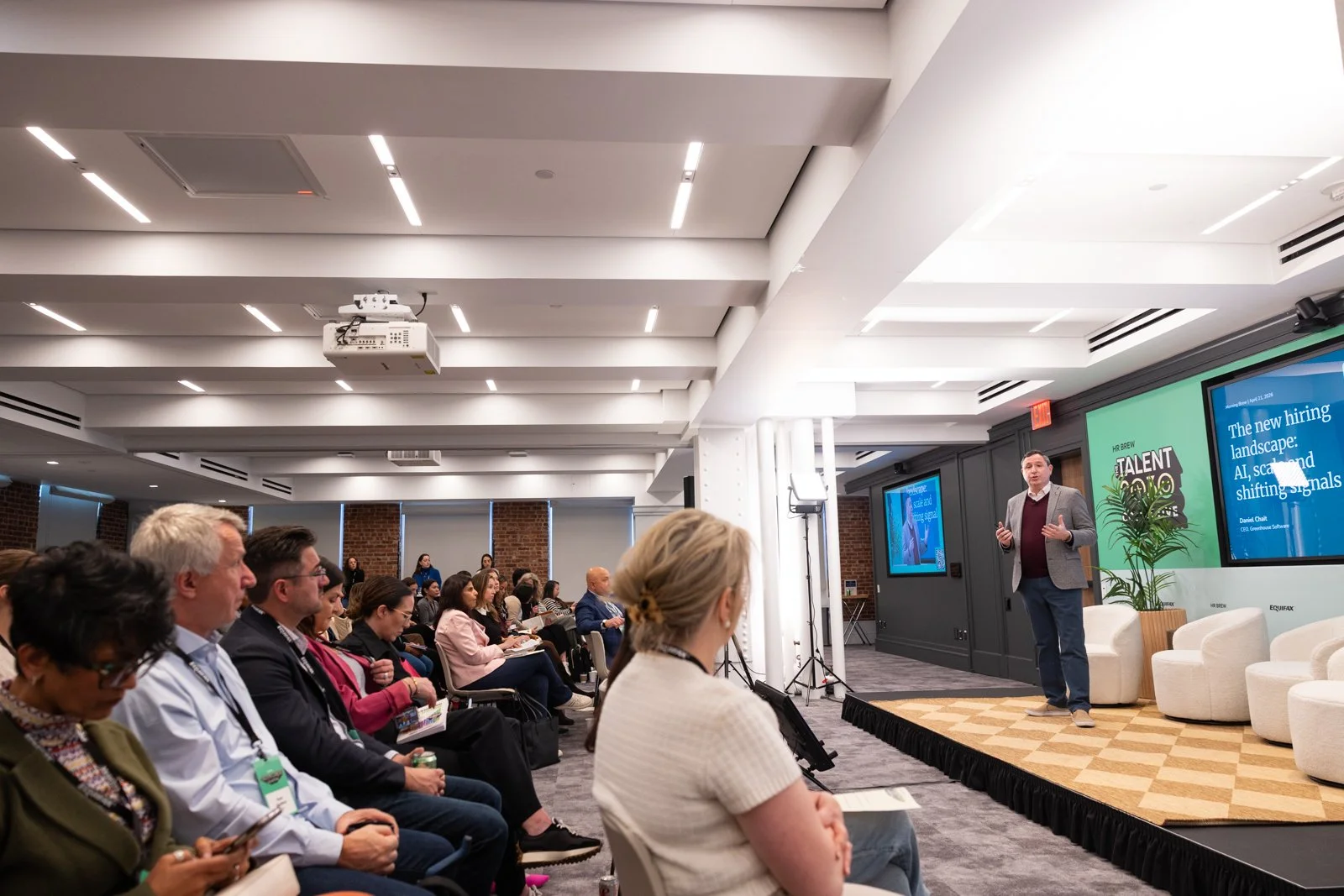
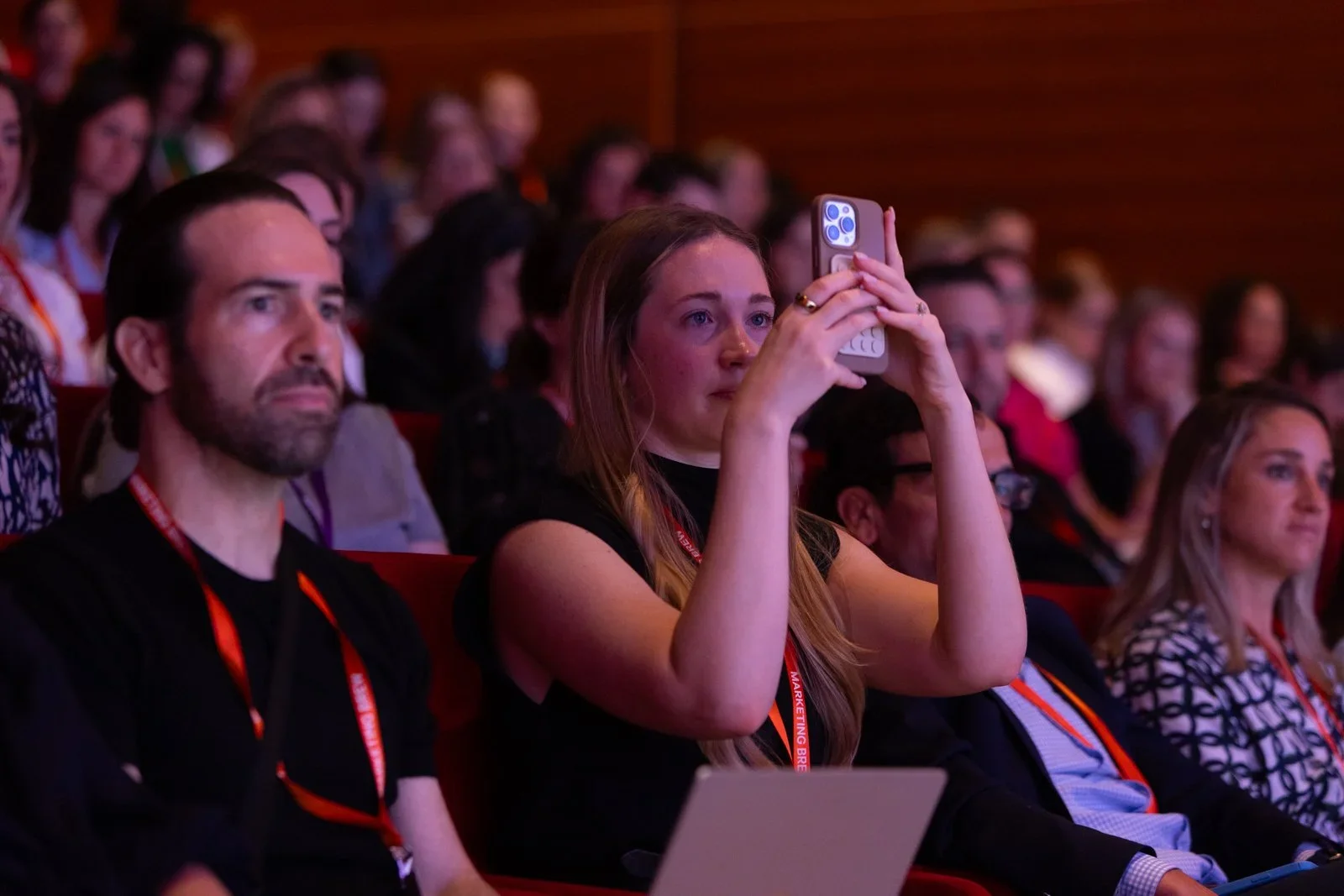
In the fast-paced New York City corporate event scene, a conference or a panel discussion isn't just another meeting —it’s a content goldmine for both you and your guests. As we move through 2026, the demand for high quality, immediate visual assets that are not crooked, low-lit iPhone photos has never been higher. These images represent you, your brand, and those that work with you. Do you show up professionally not looking and performing your best?
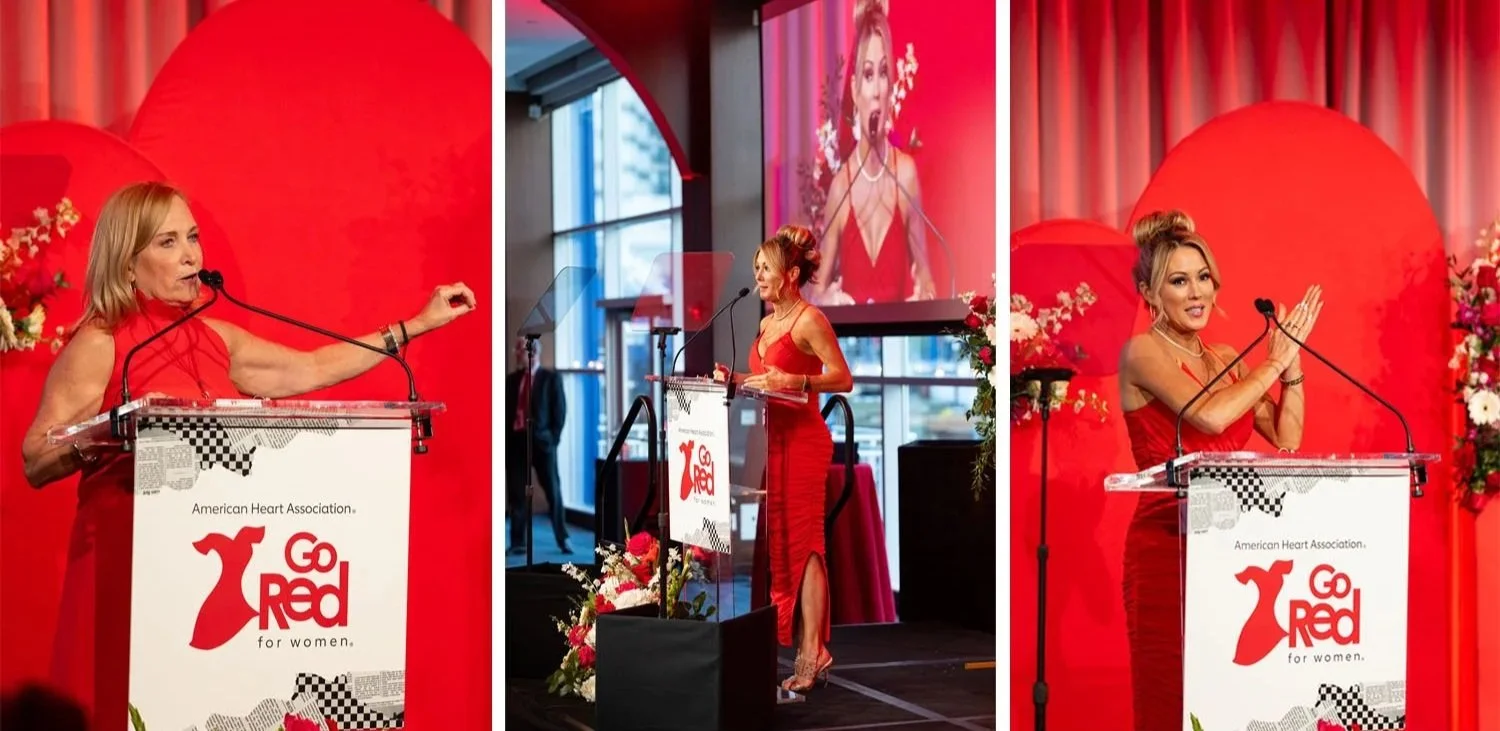
Whether you’re hosting a tech summit at the Javits Center, a panel discussion, a networking event, or an executive retreat, the quality of your event photography directly impacts your brand. If you want people talking about your event and sharing their experience at your event, than you want your event to be represented in the best light possible. Having a photographer allows you to control the narrative.

You can leverage my professional photos in countless ways; LinkedIn, Websites, PR releases, prints, and beyond. Your speakers and panelist will share/re-share these assets. Guests will use these photos to talk about their experience. Here is why top-tier NYC event planners are prioritizing specialized conference photography this year.
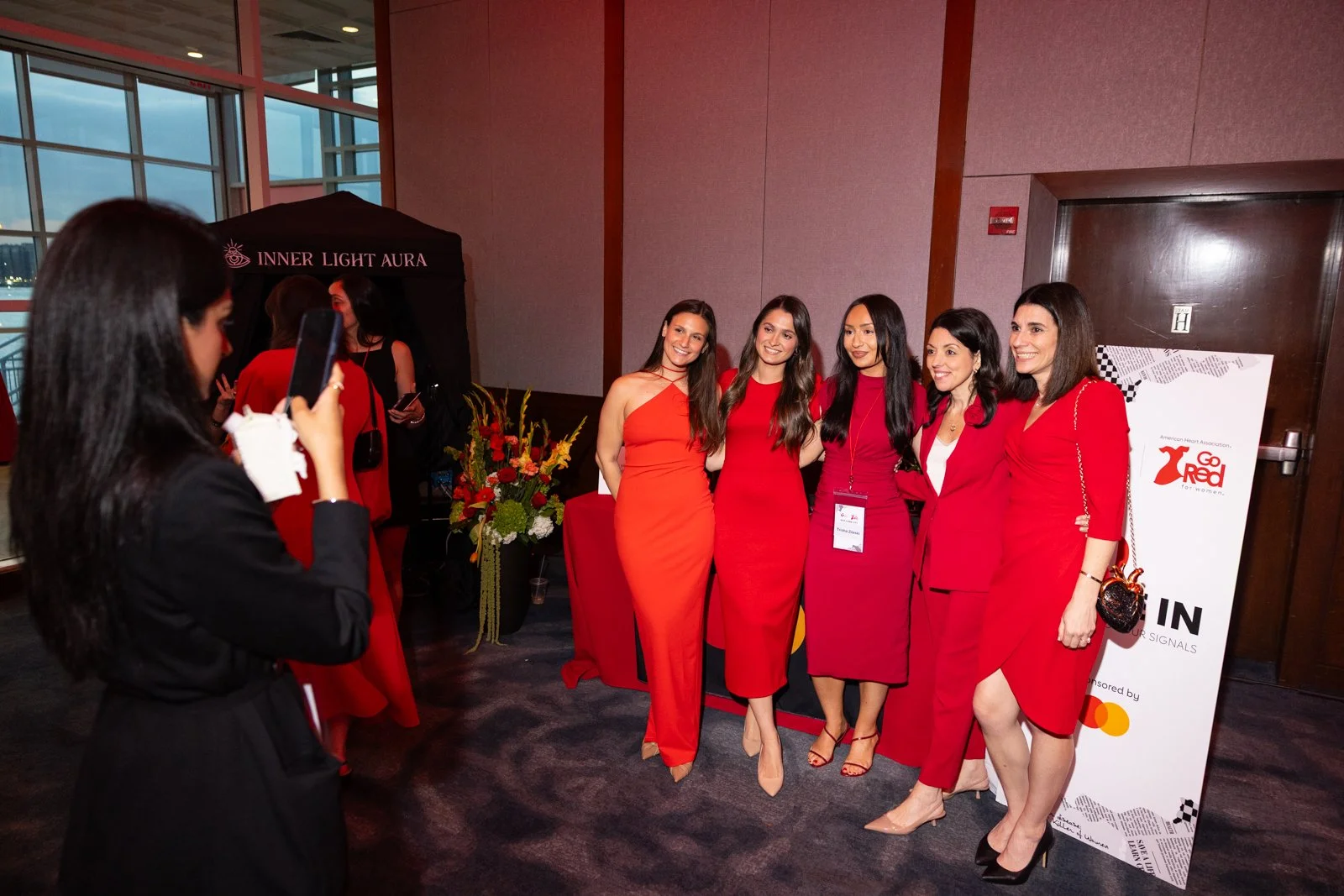
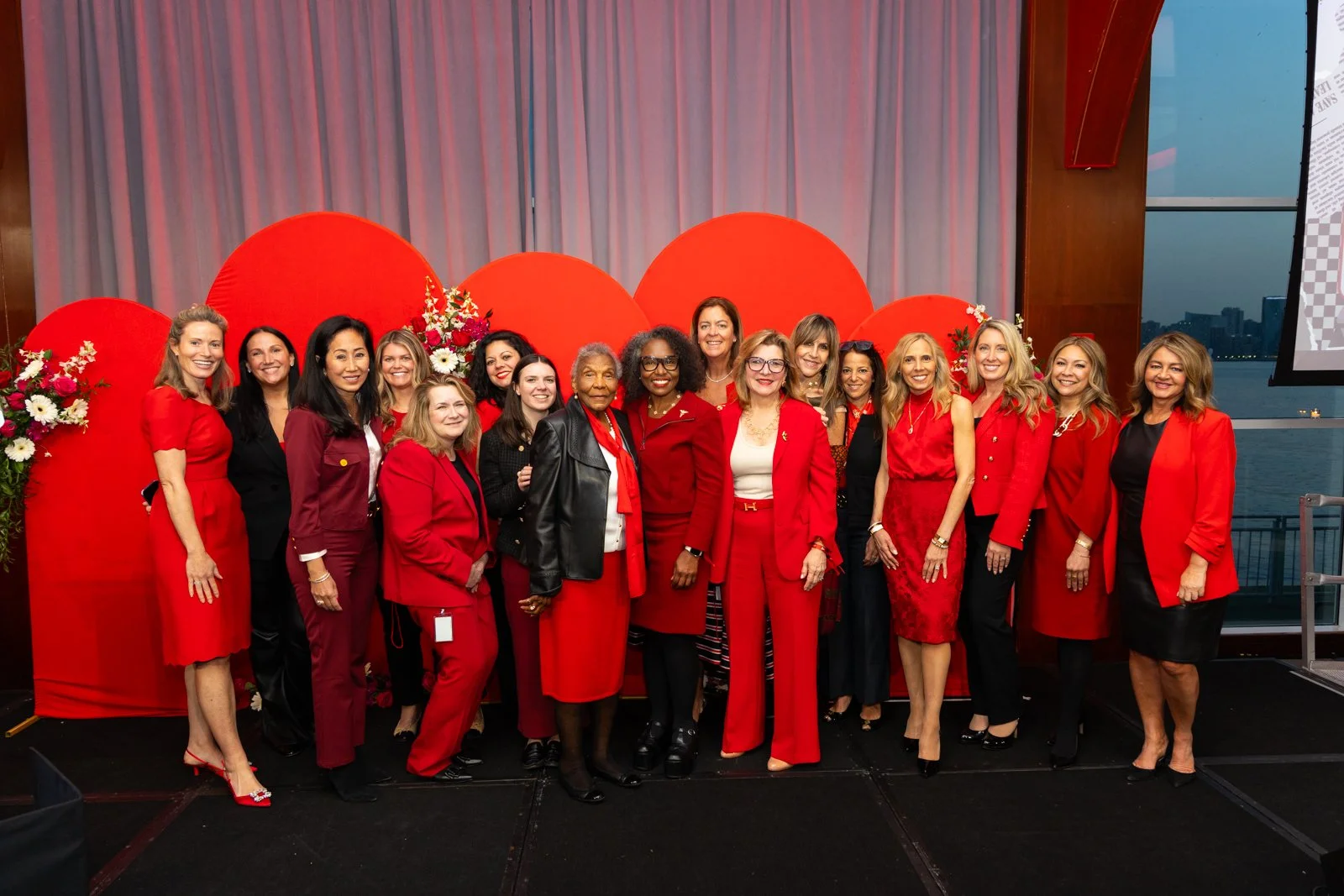
  1. Real Time, Same Day Delivery

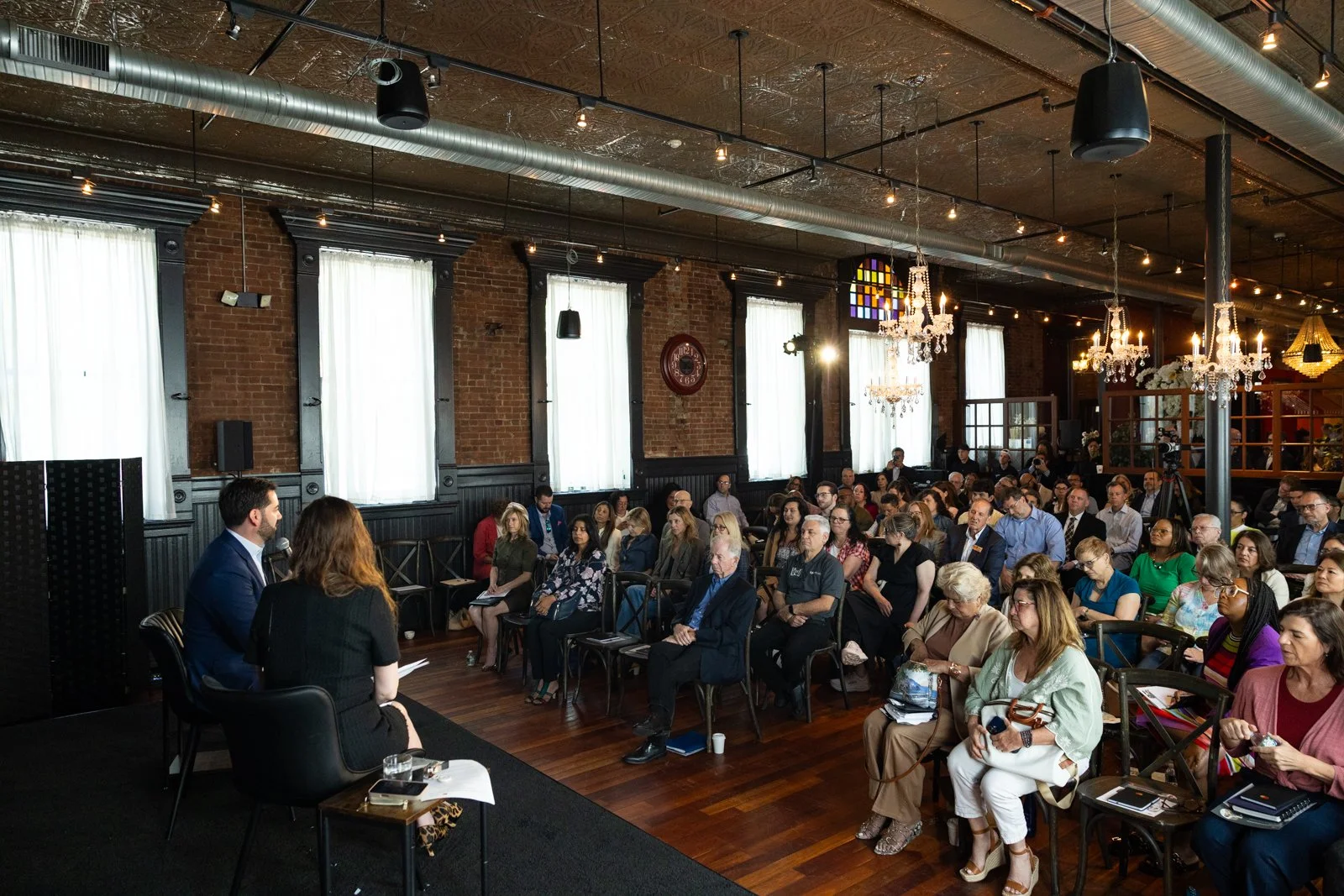
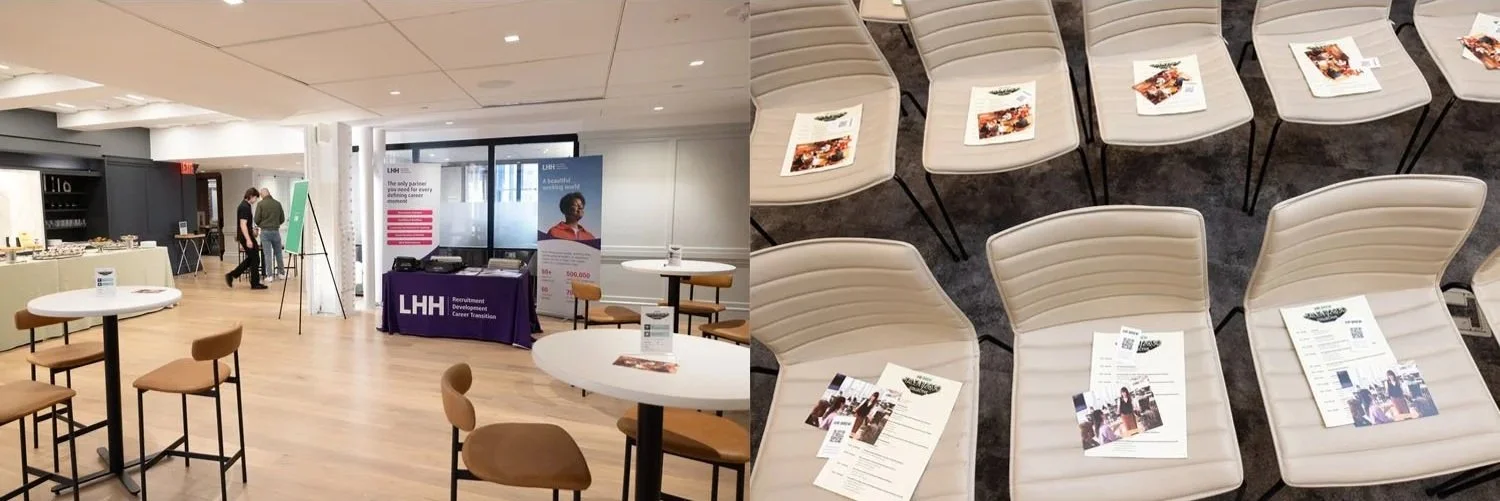
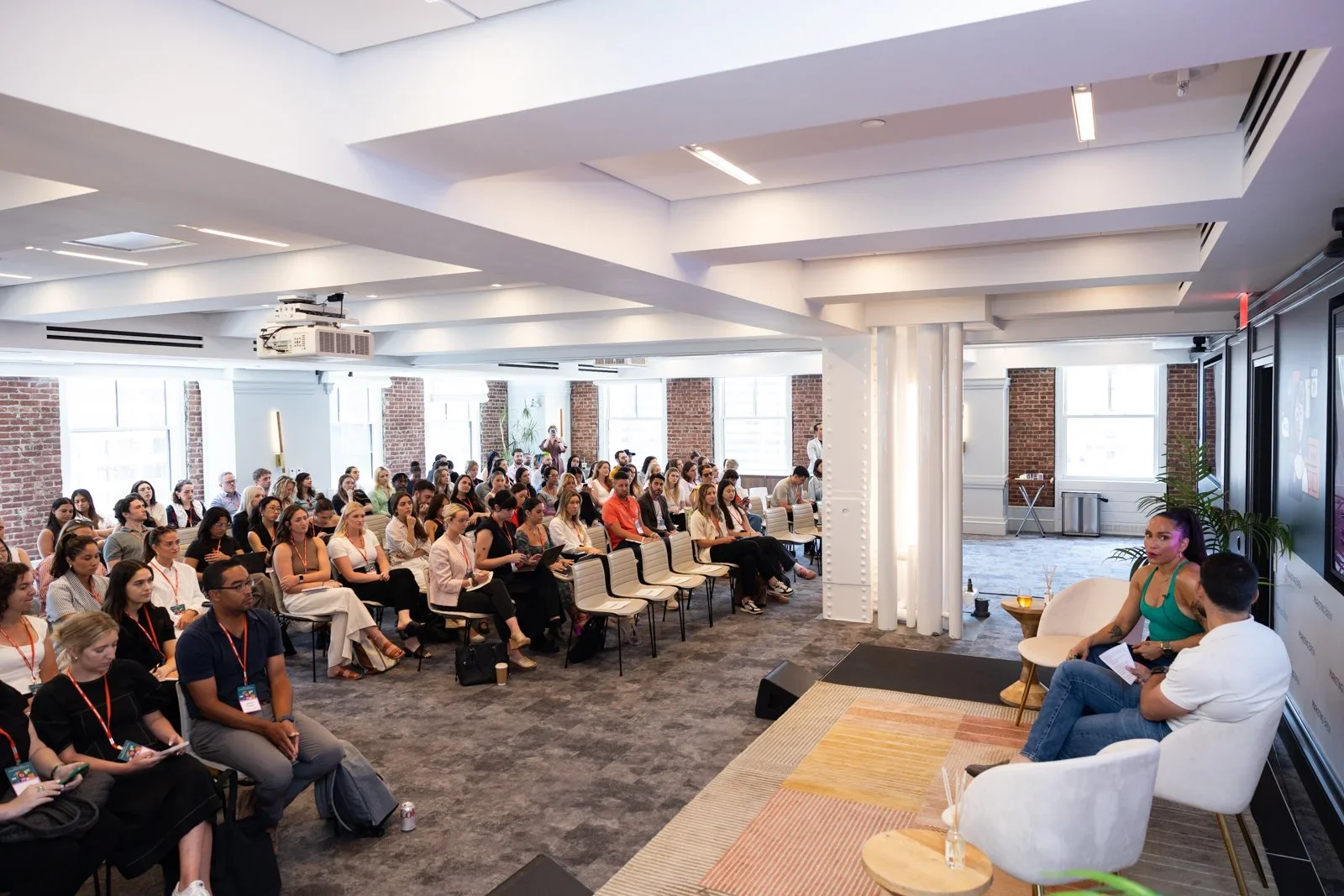
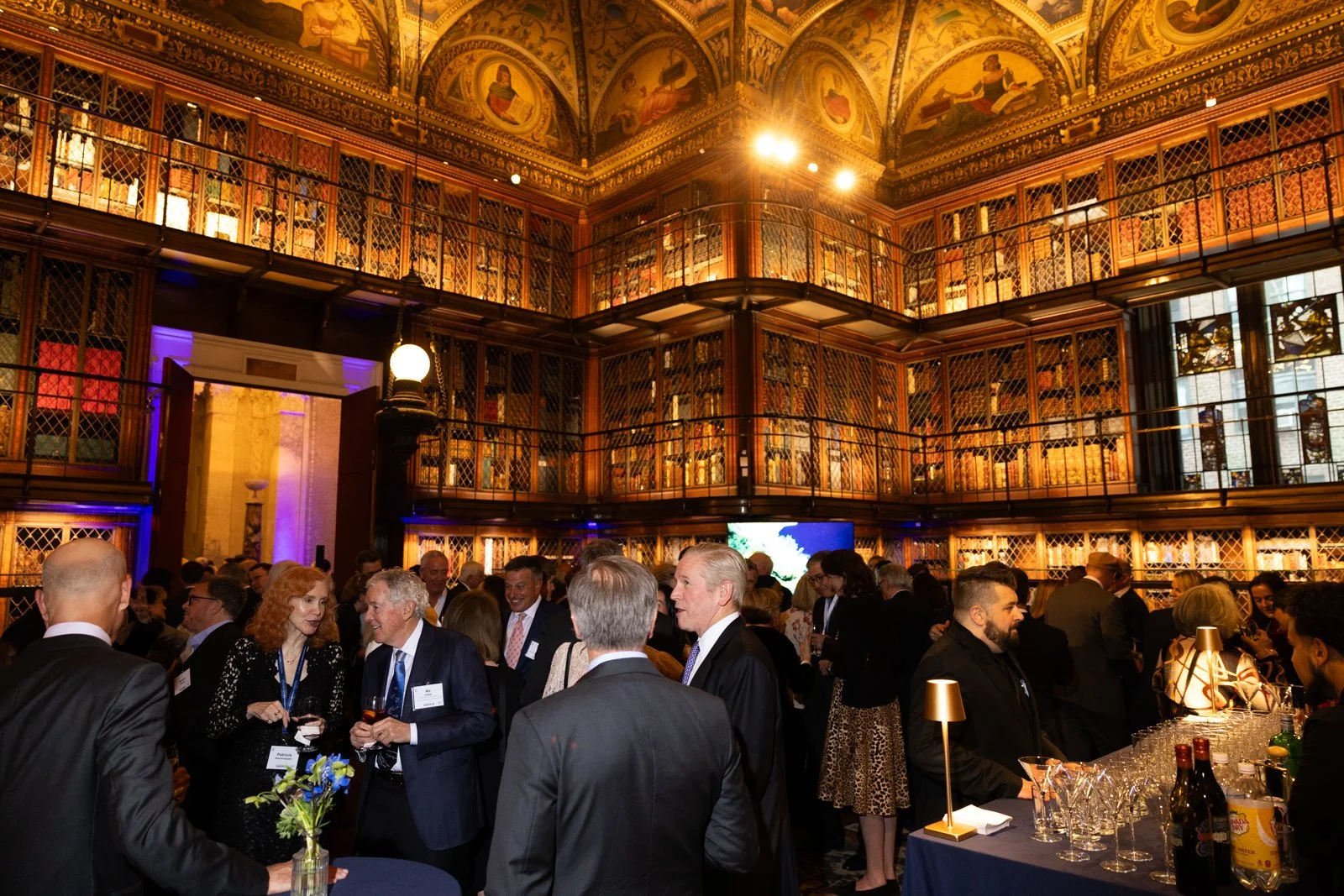
  2. Showcasing the venue space

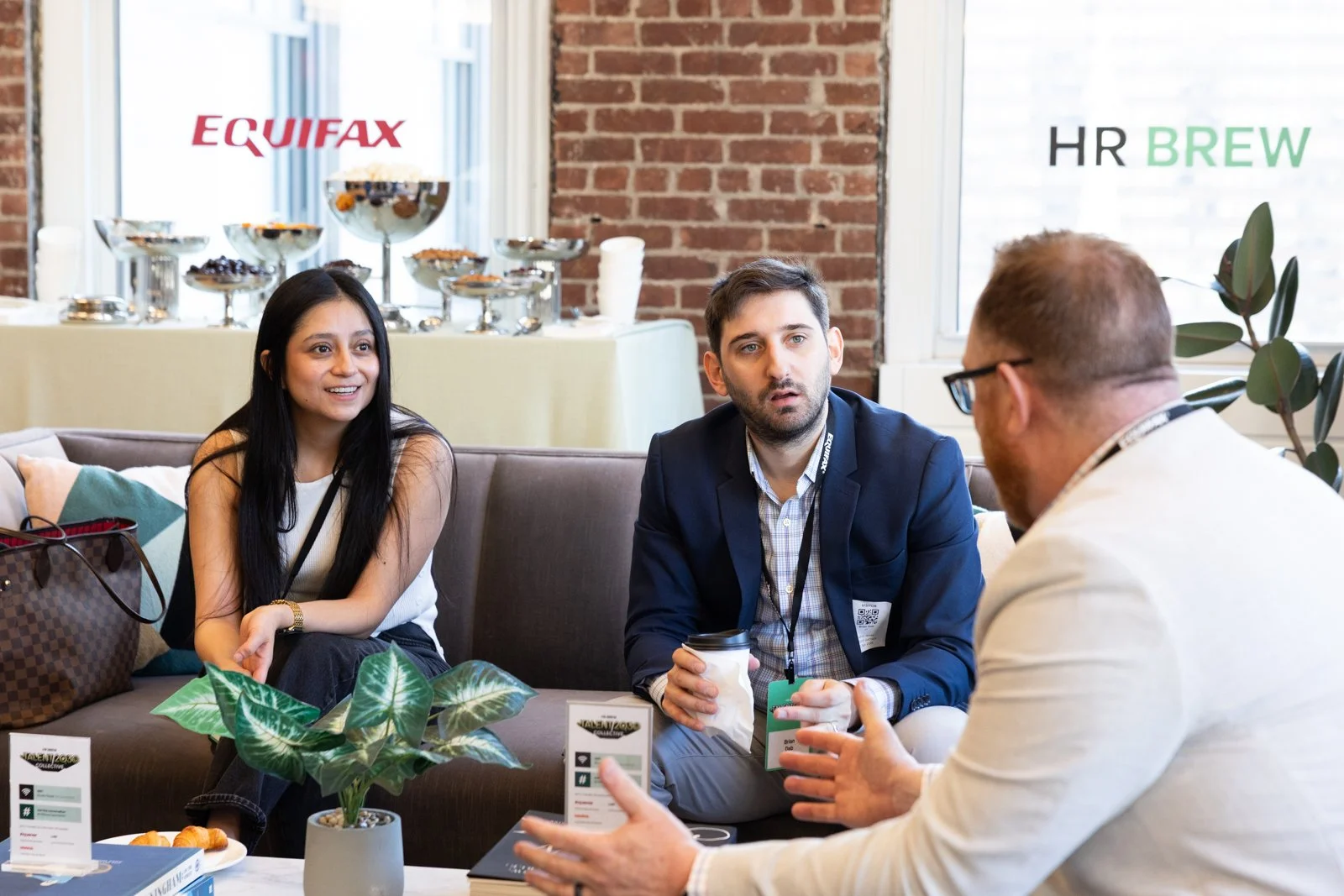
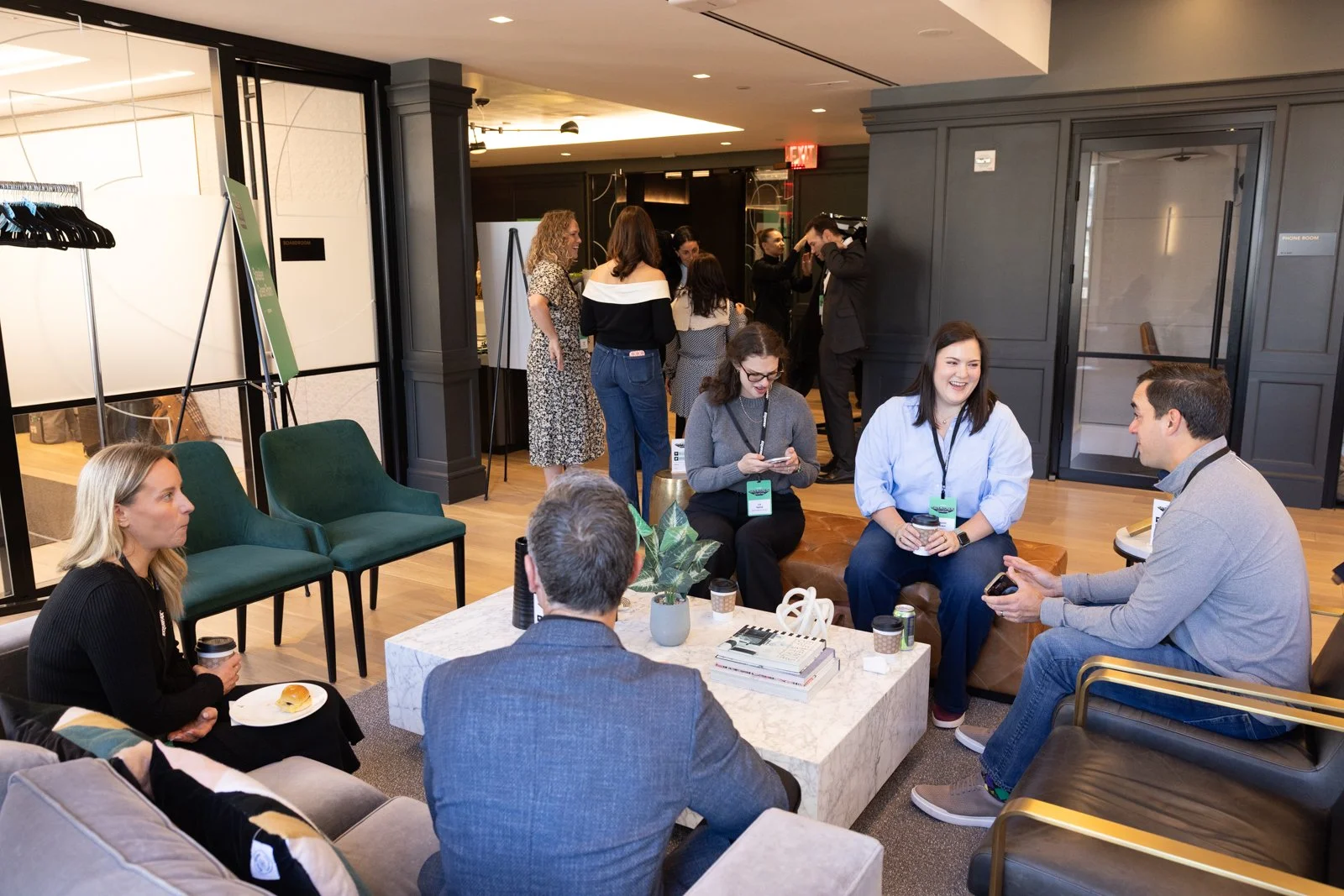
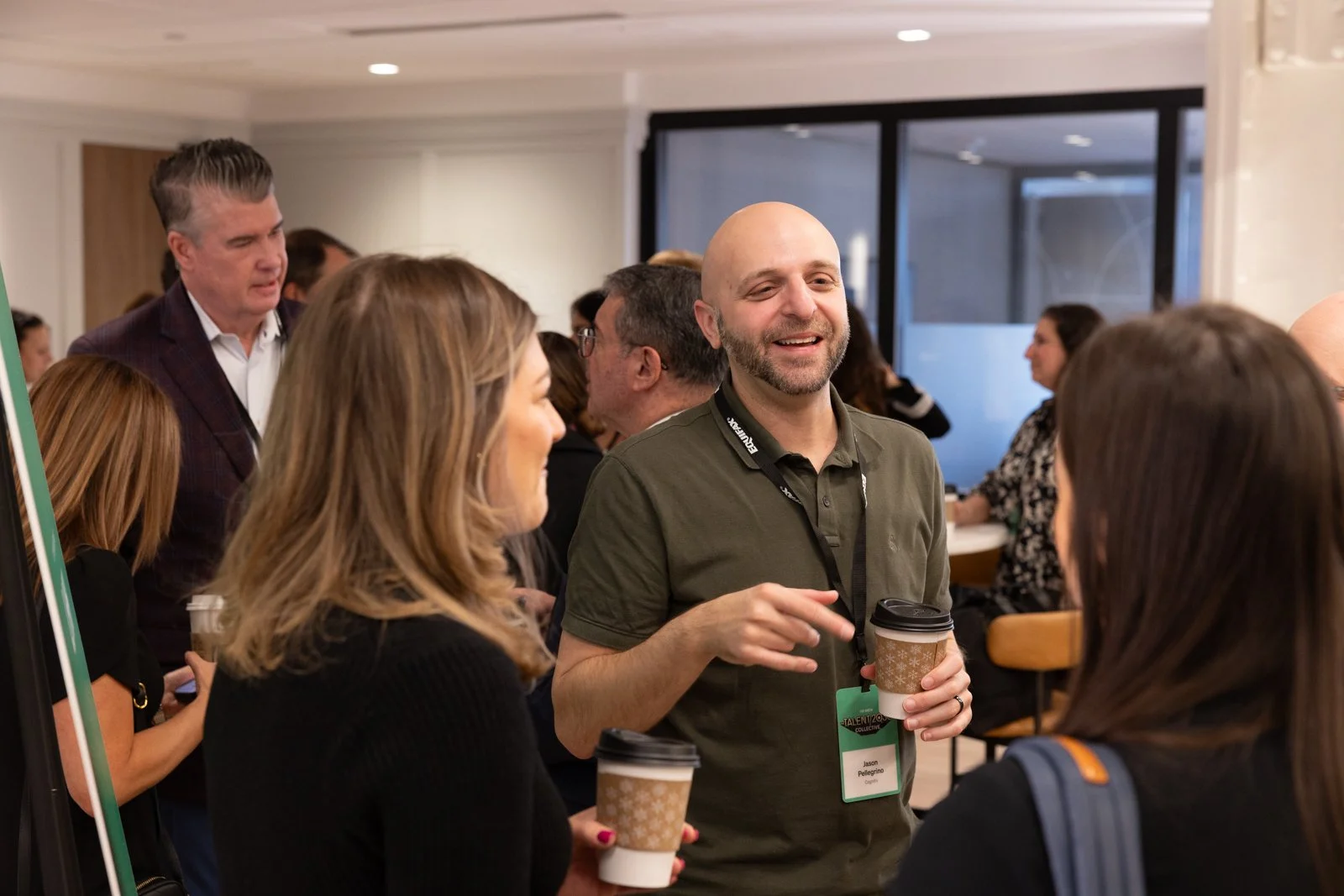
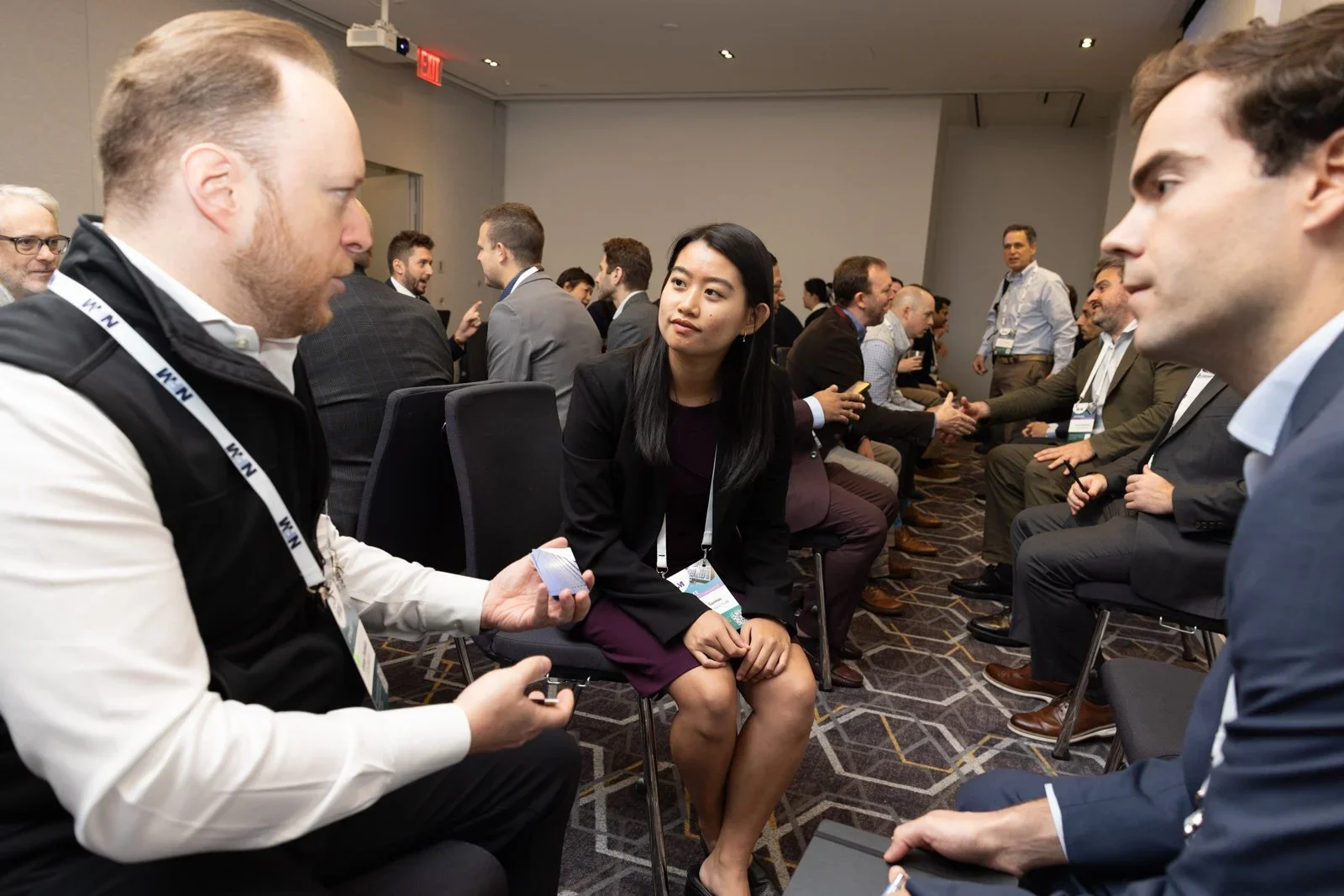
  3. In-Person Networking beats Zoom - People want the in person connection

  4. High Quality Engaging Marketing Imagery

  5. AI Proof Authenticity

1. Proving Immediate ROI with "Real-Time" Assets

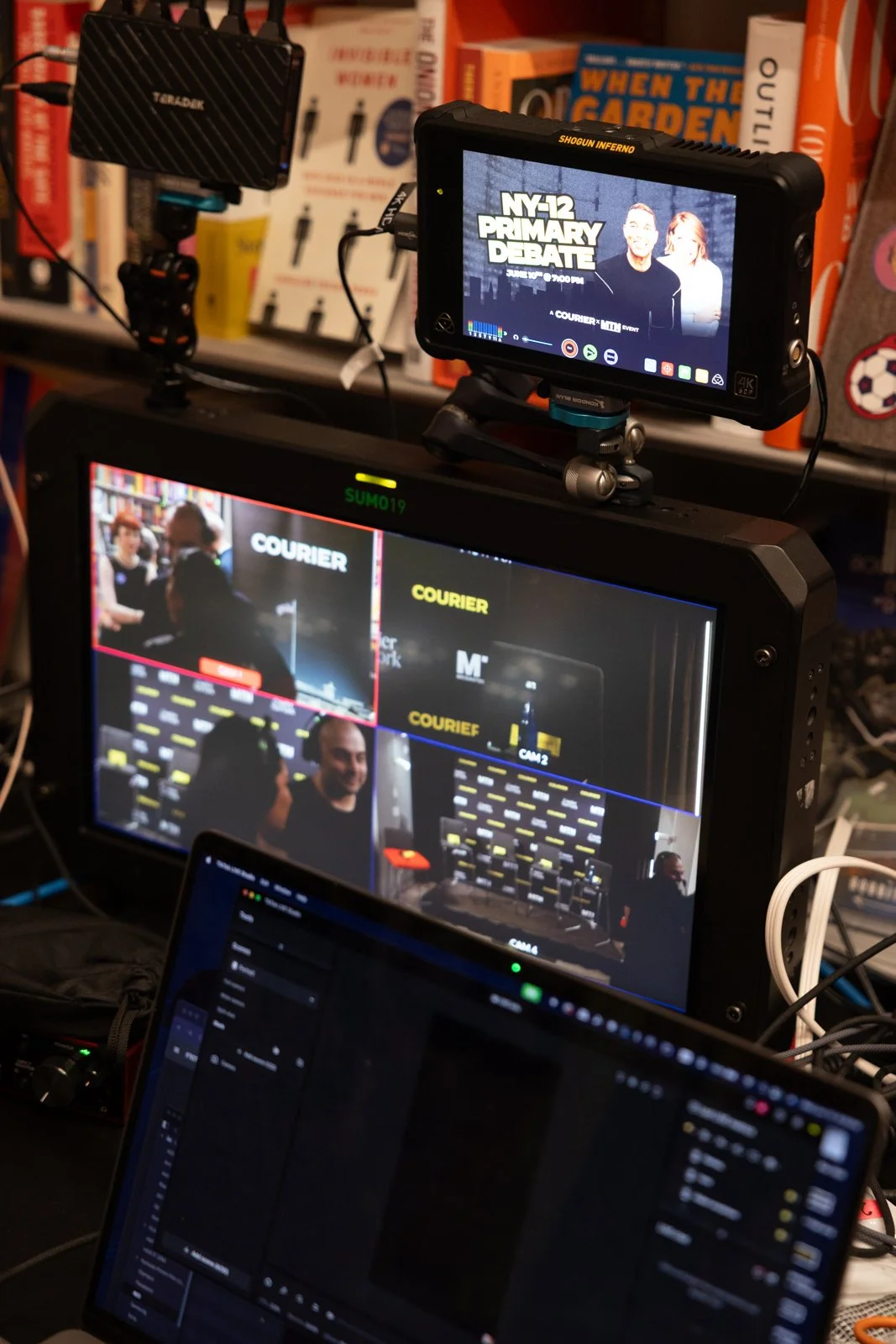
In 2026, waiting two weeks for a gallery is a missed opportunity. Modern corporate marketers need "Sizzle Reels" and high-res stills pushed to their socials while the keynote is still on stage. A professional NYC conference photographer provides the infrastructure for rapid delivery, allowing your PR team to dominate the LinkedIn feed in real-time.

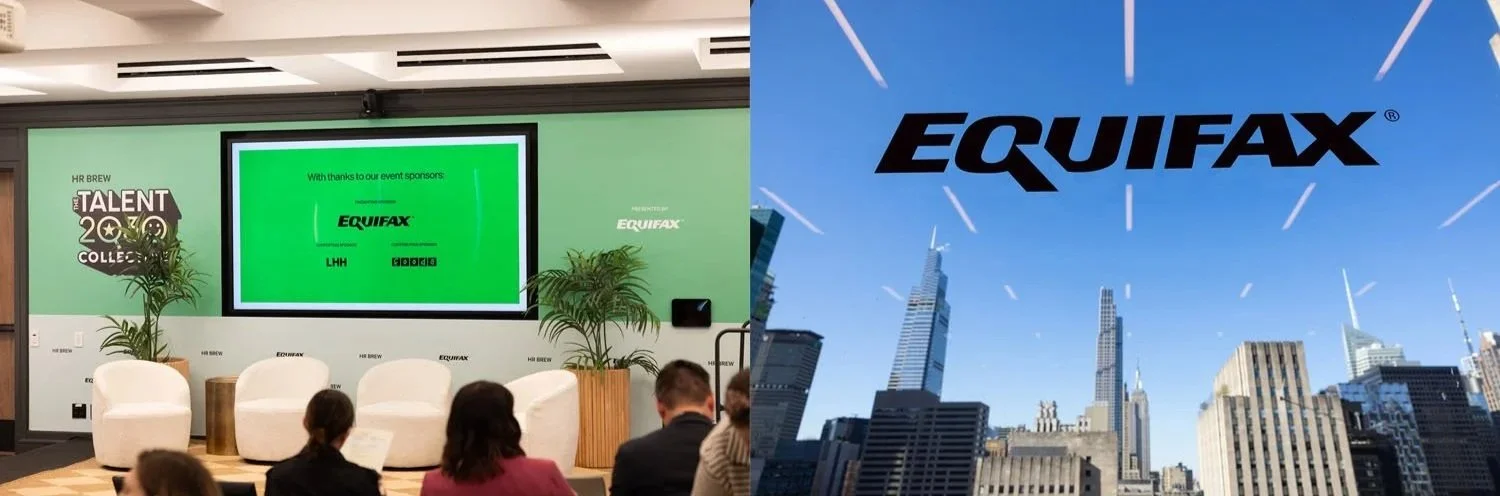
2. Navigating NYC’s Iconic (and Tricky) Venues

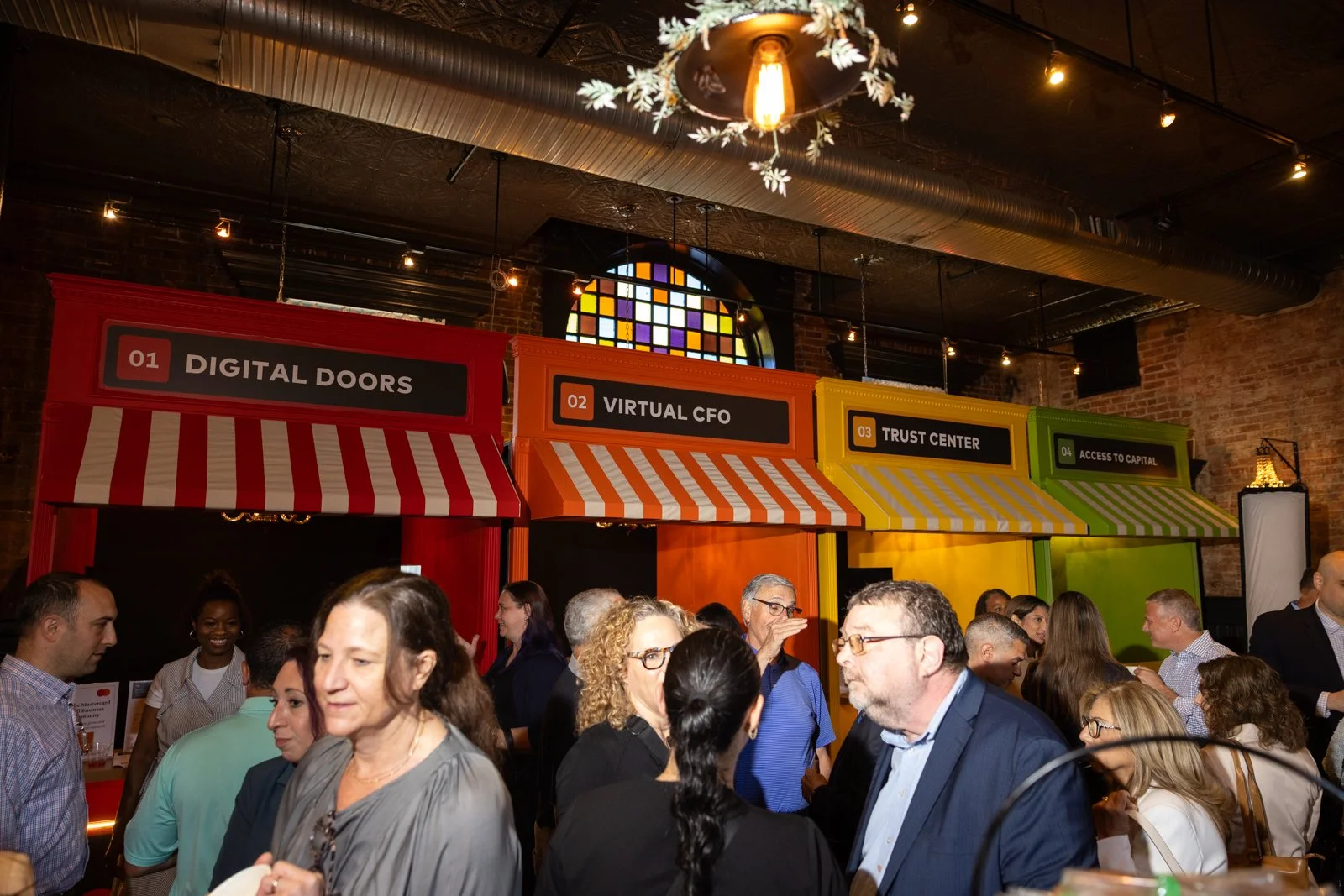
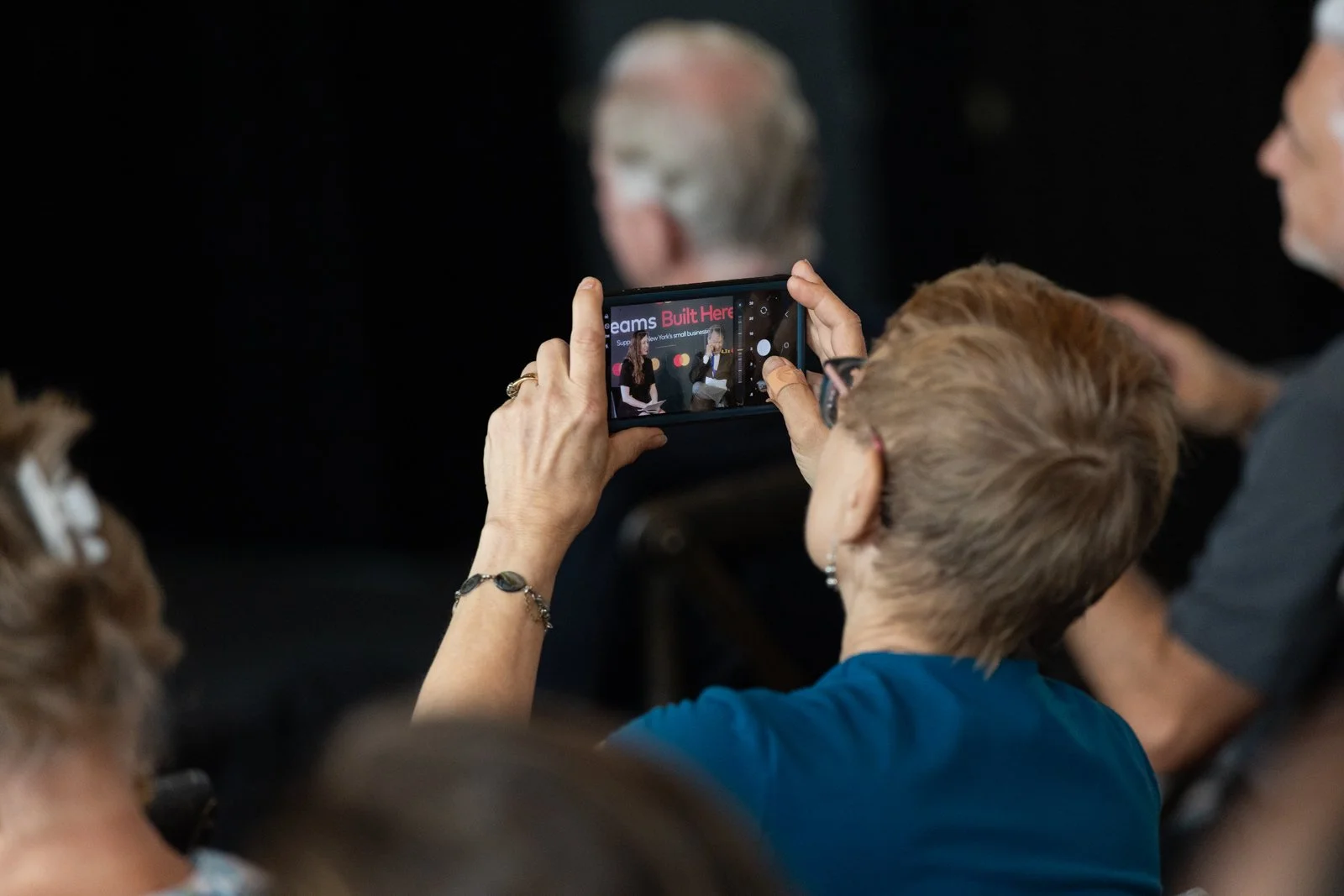
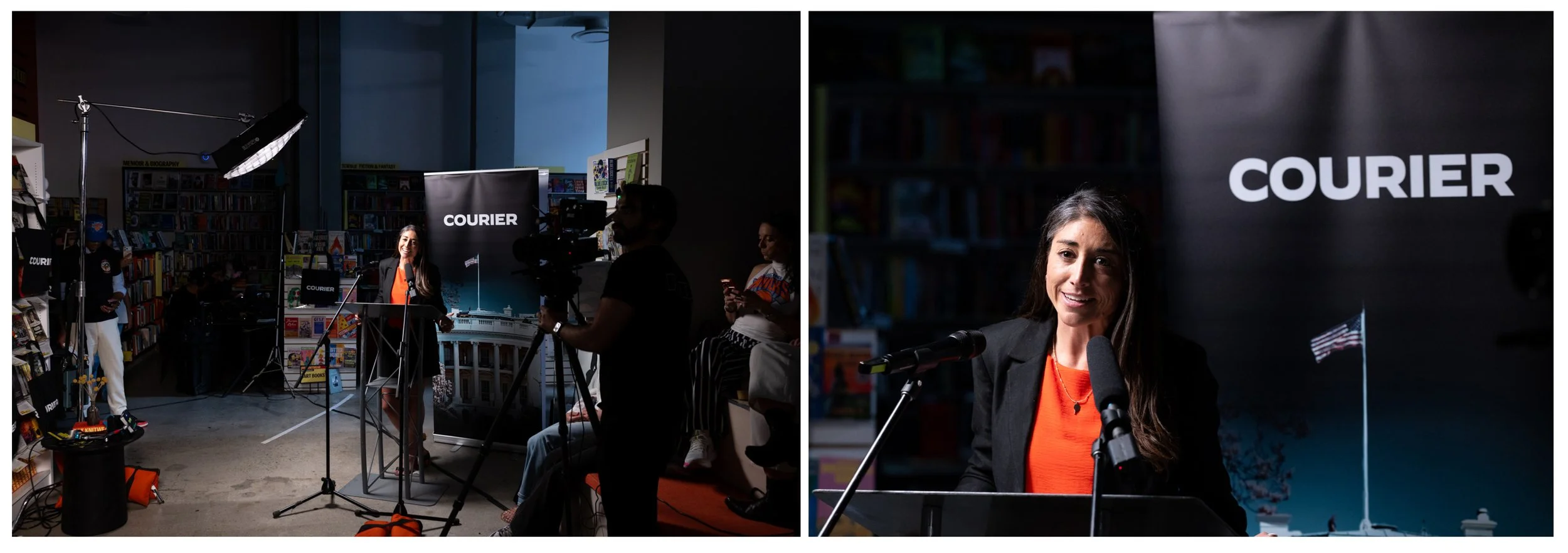
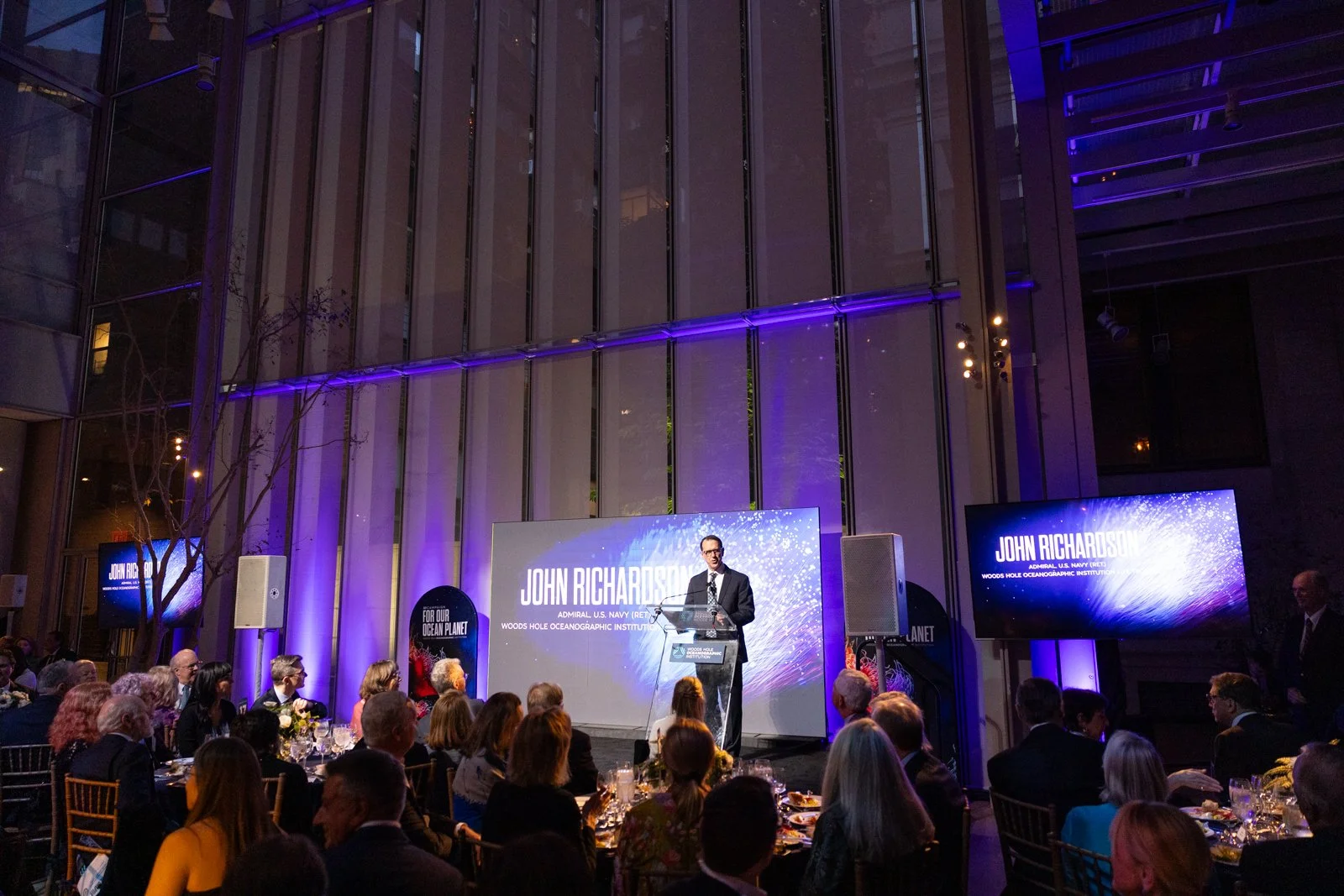
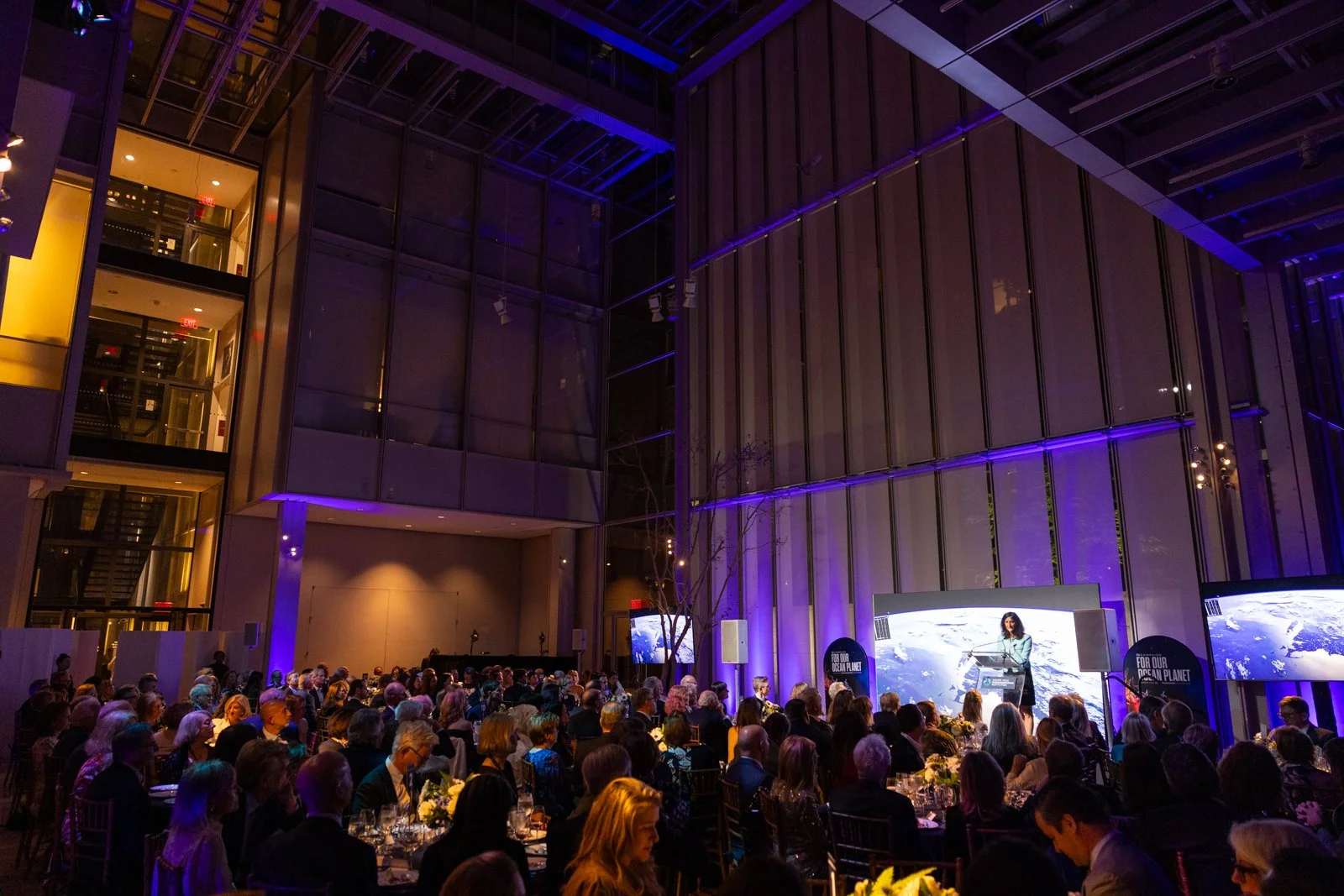
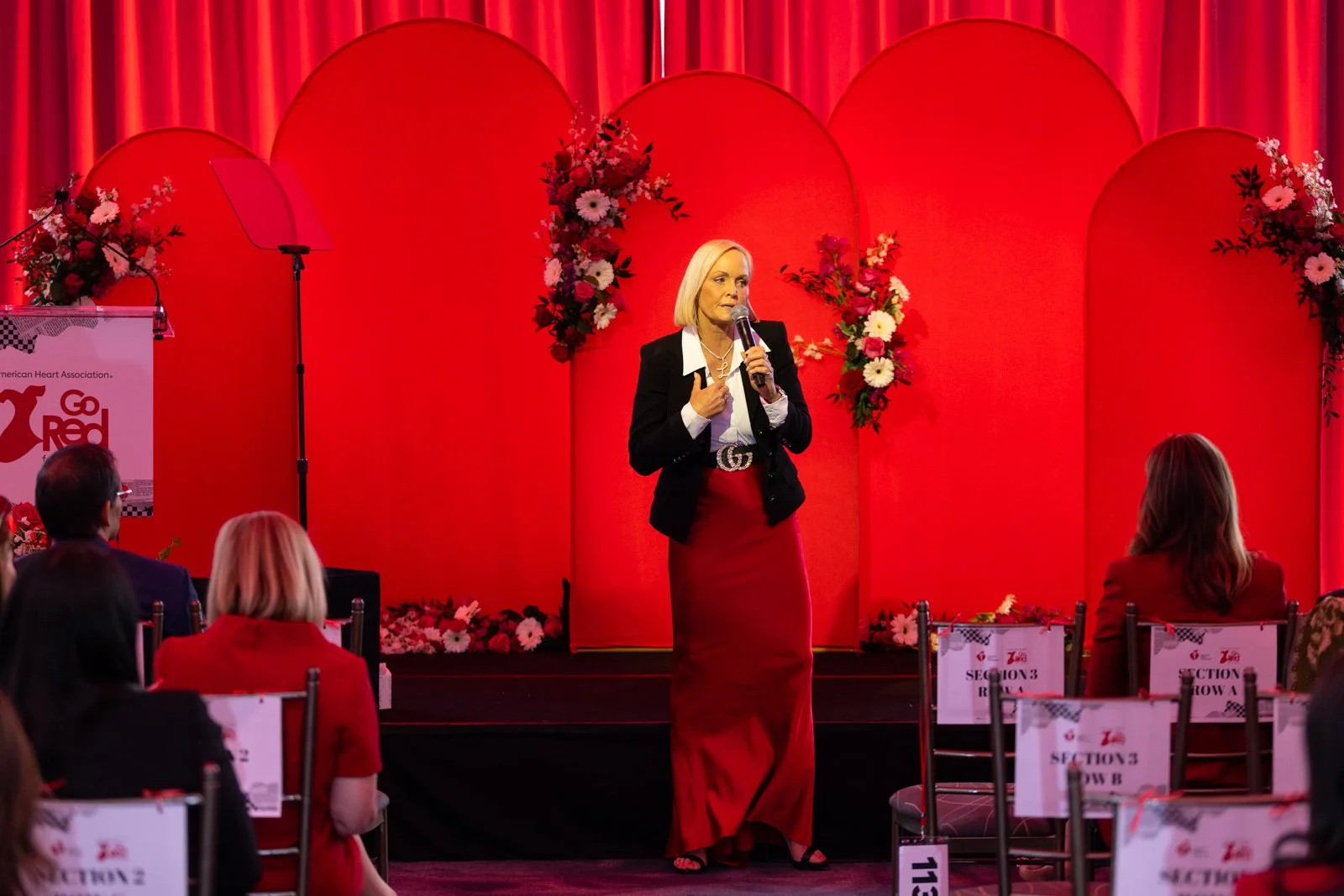
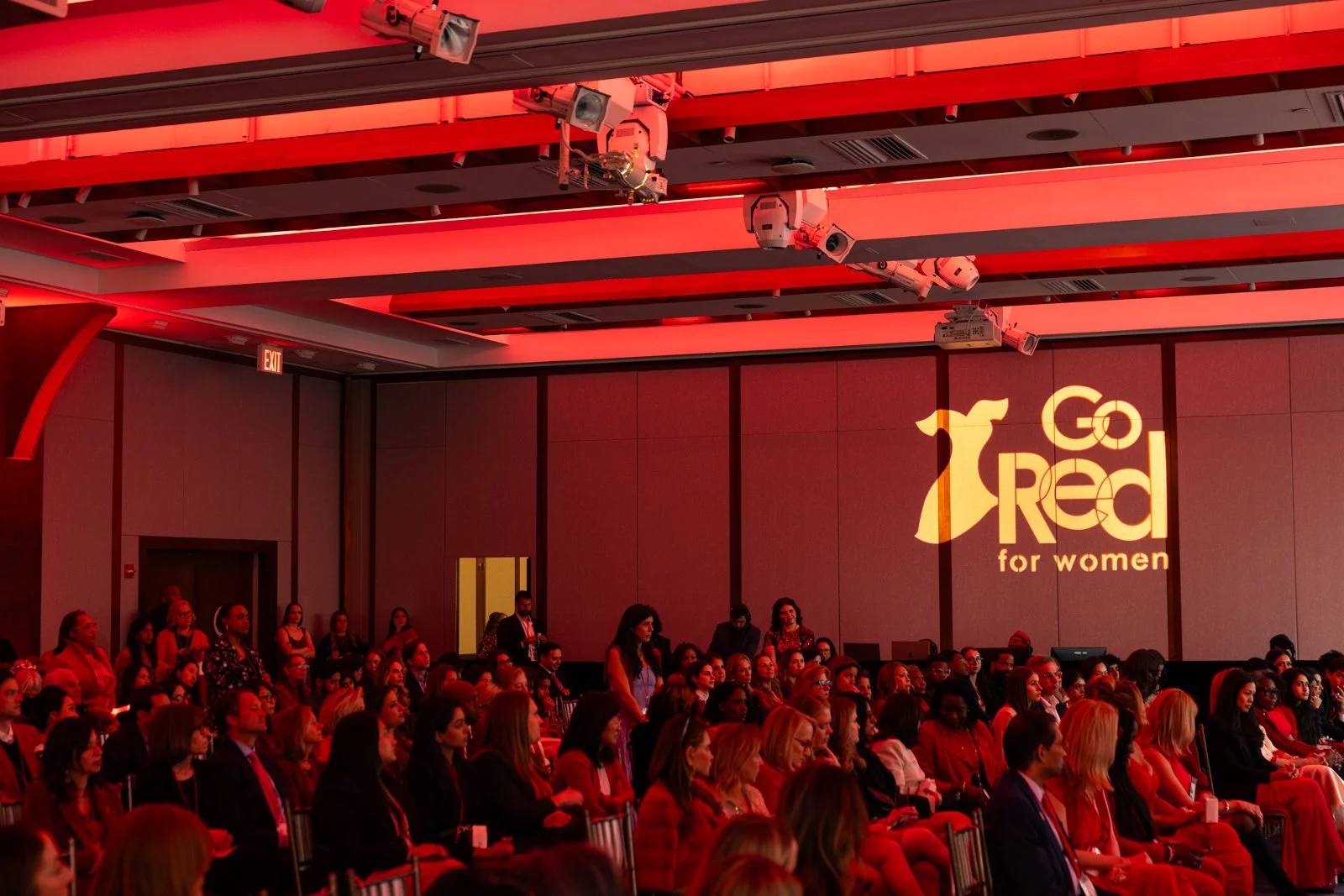
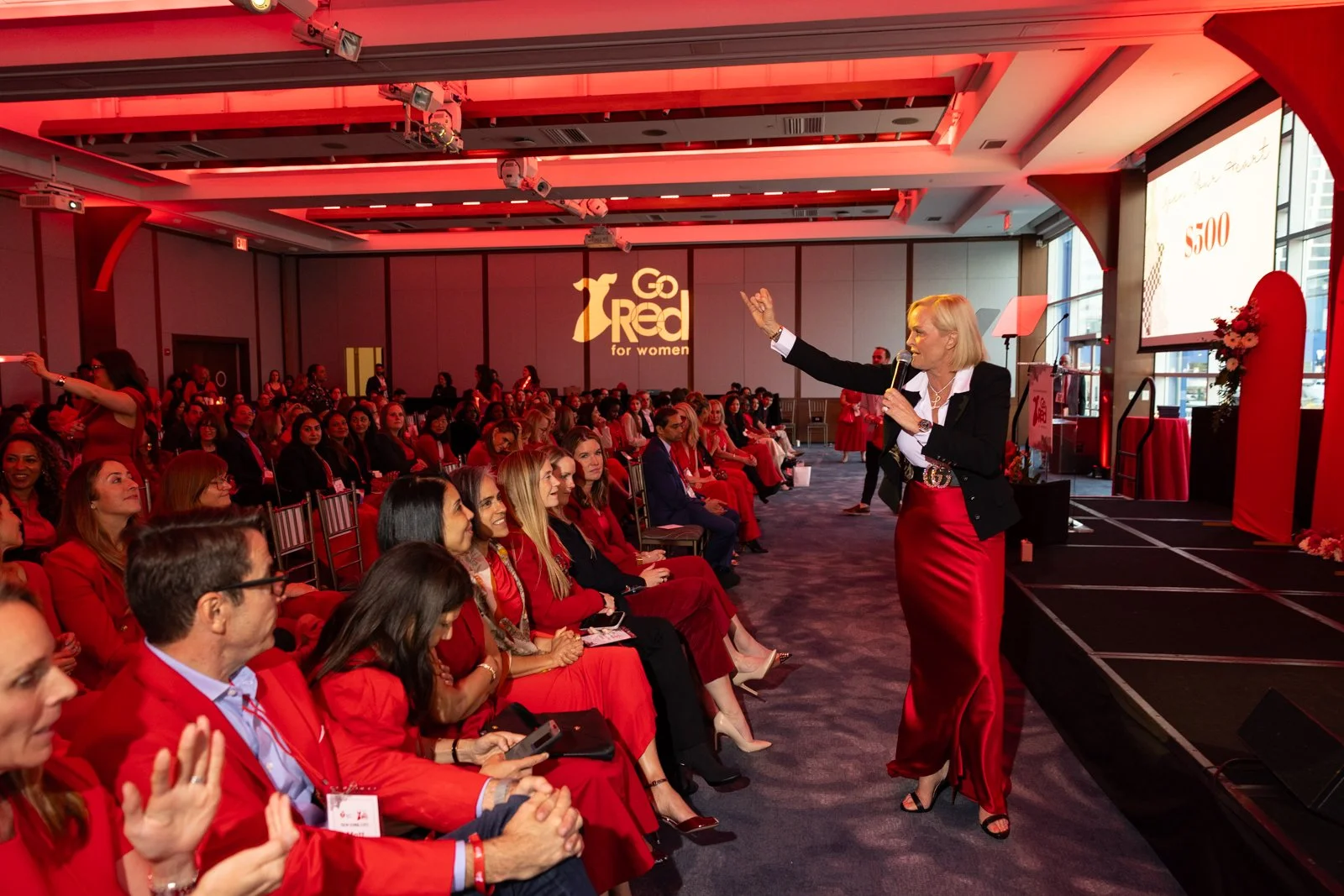
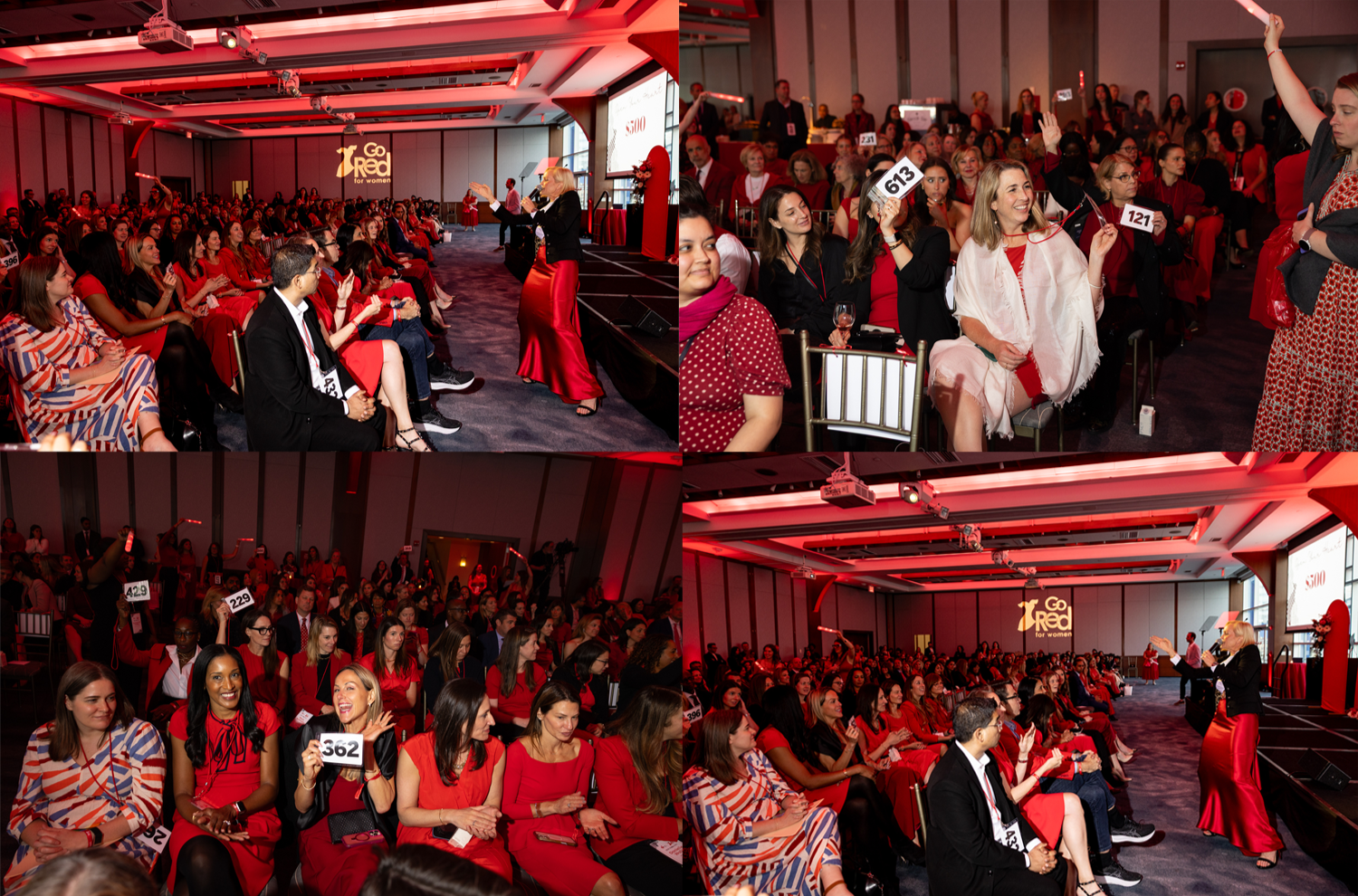
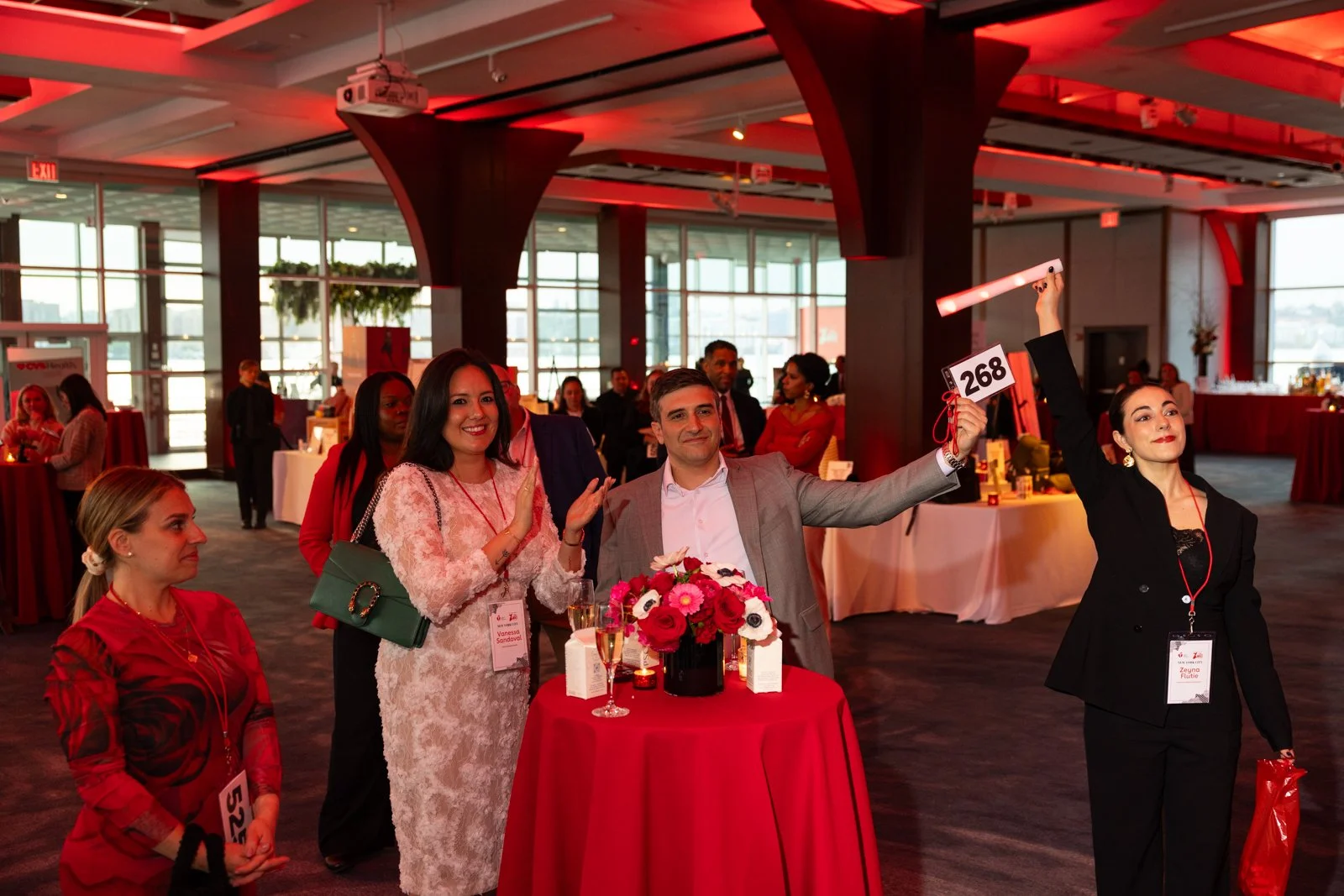
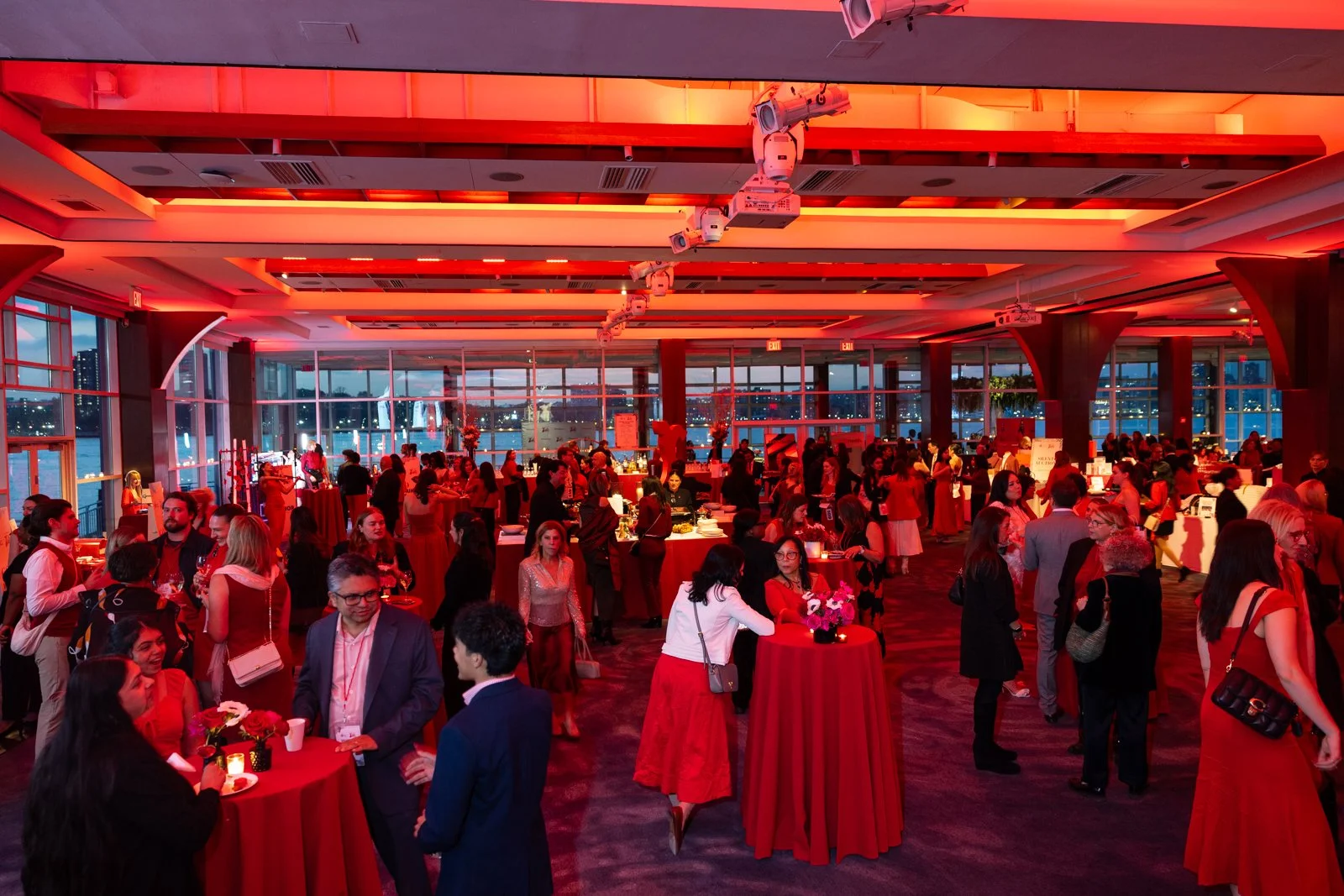
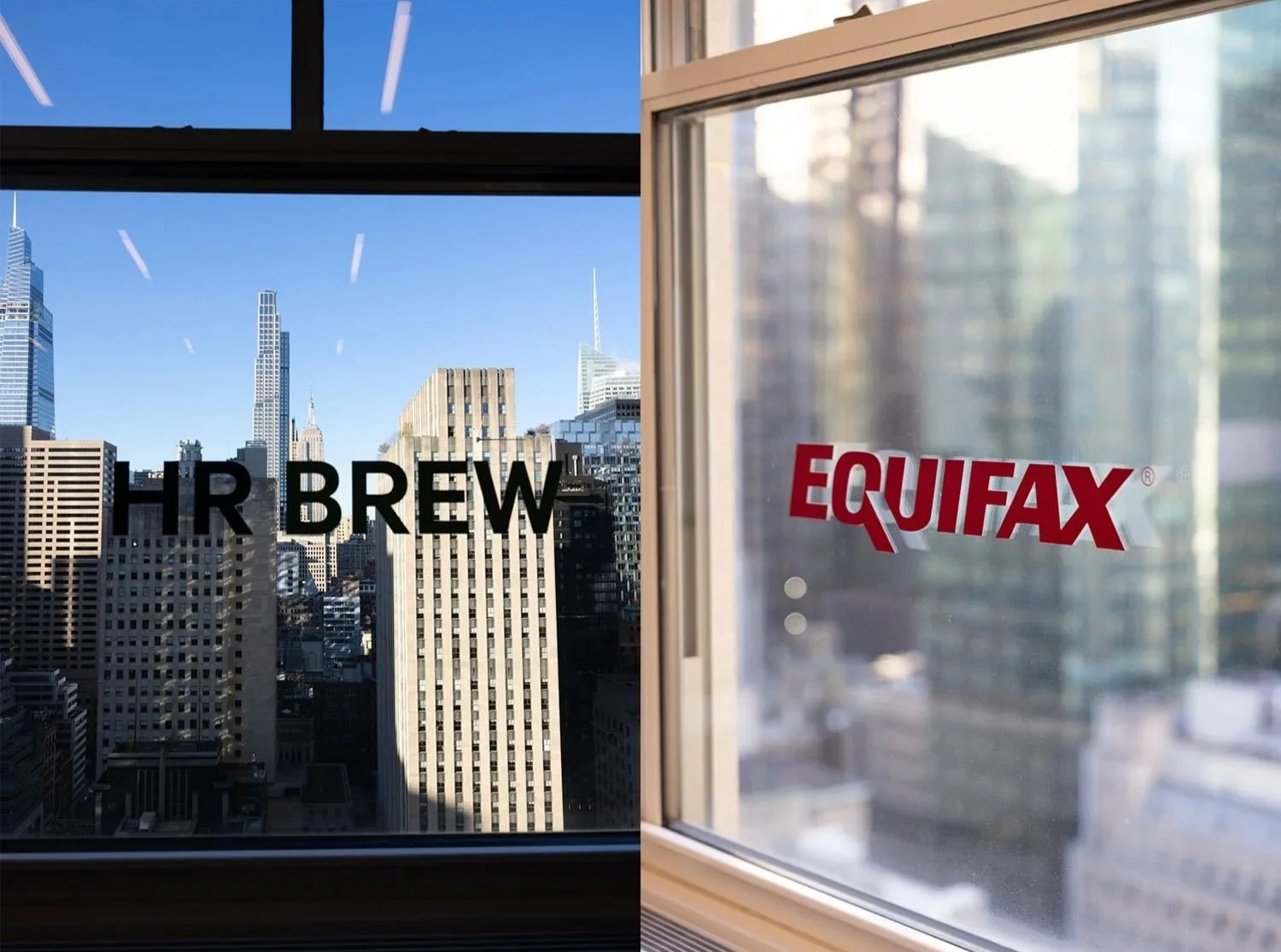
From the low-light industrial vibes of shared workspace to the glass-walled open floor plans of new venue space like Hudson Yards, New York venues present unique challenges. Amateurs and iPhones are going to provide you yellow hues, dark subjects with bright windows behind them, and uneditable photos.

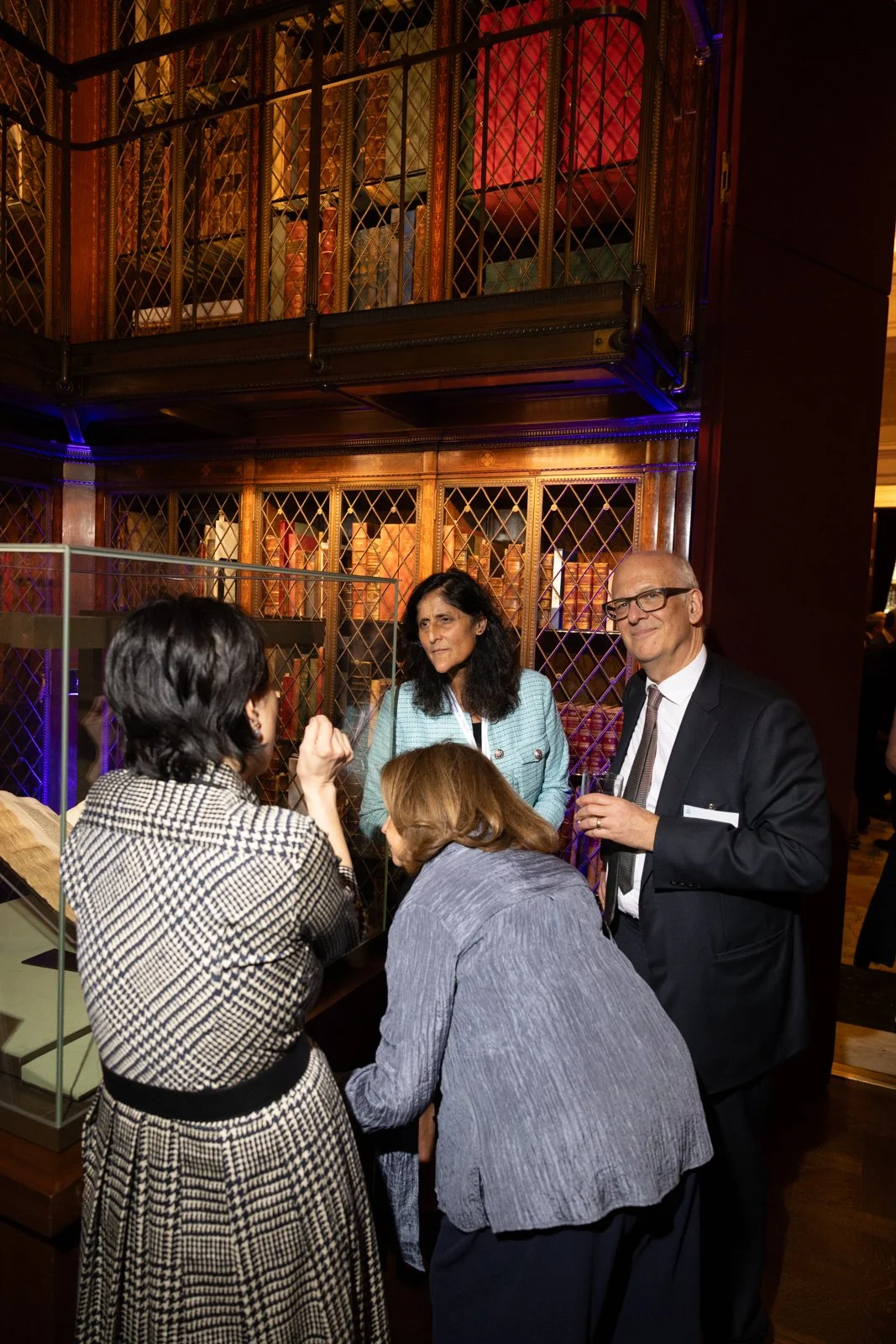
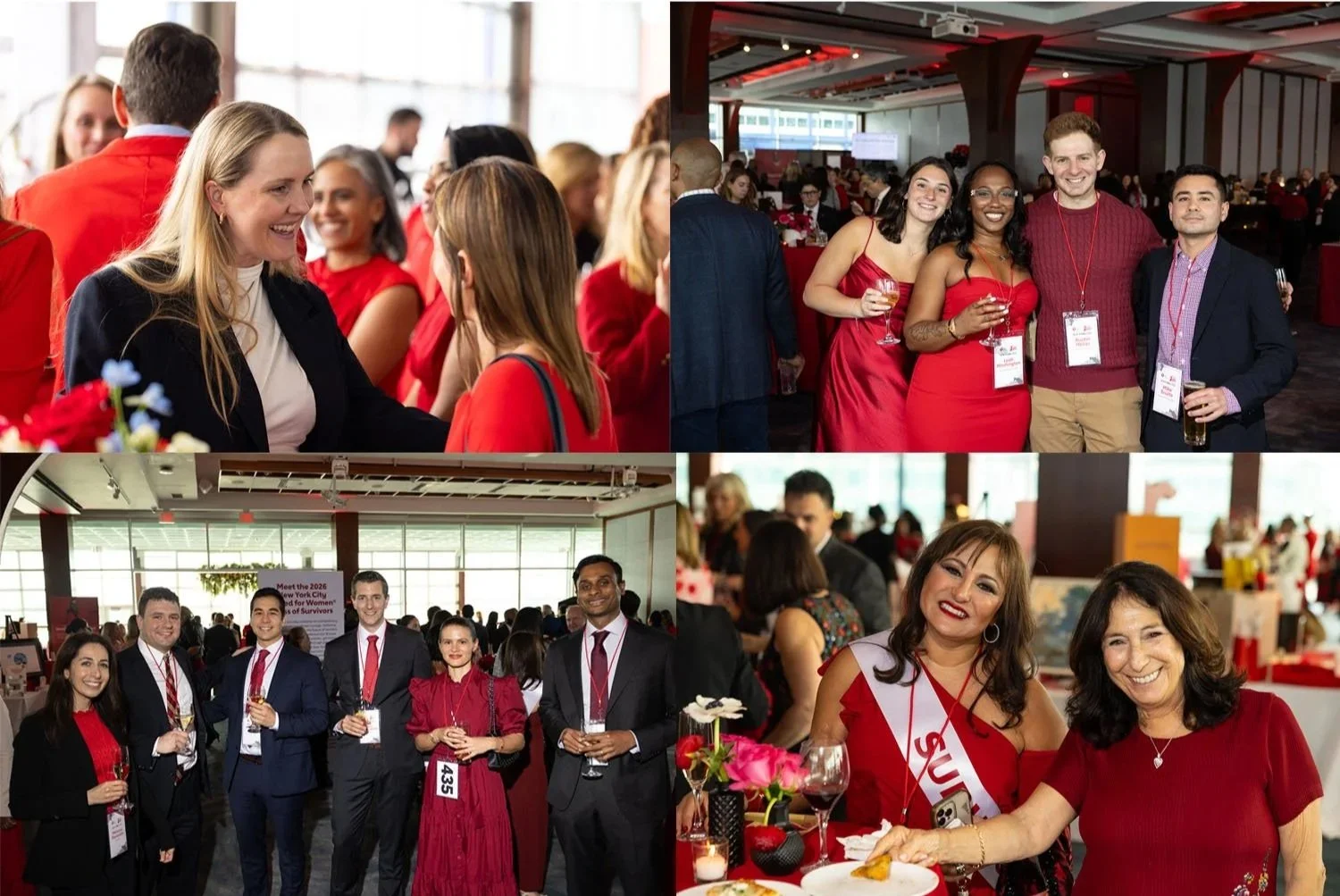
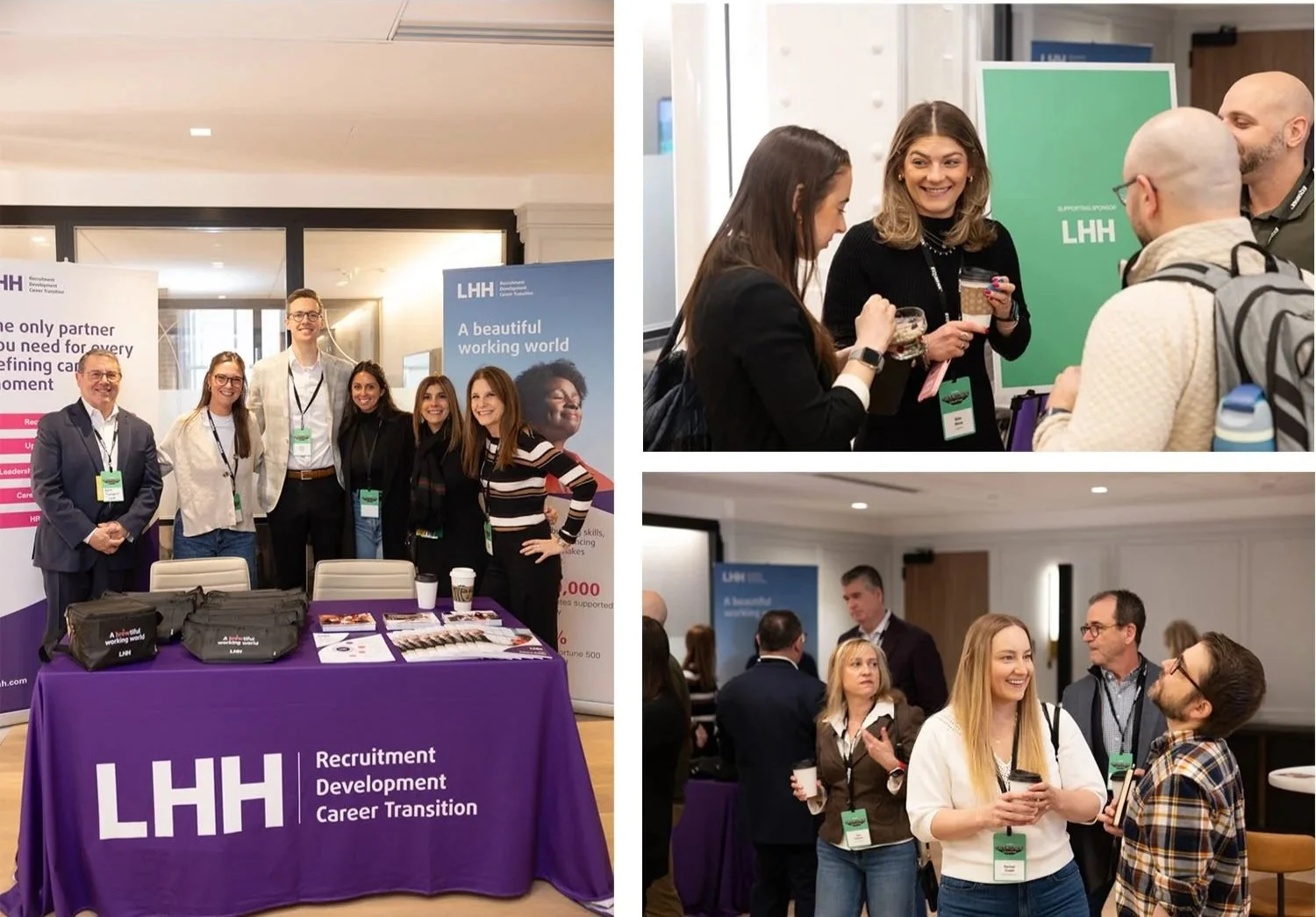
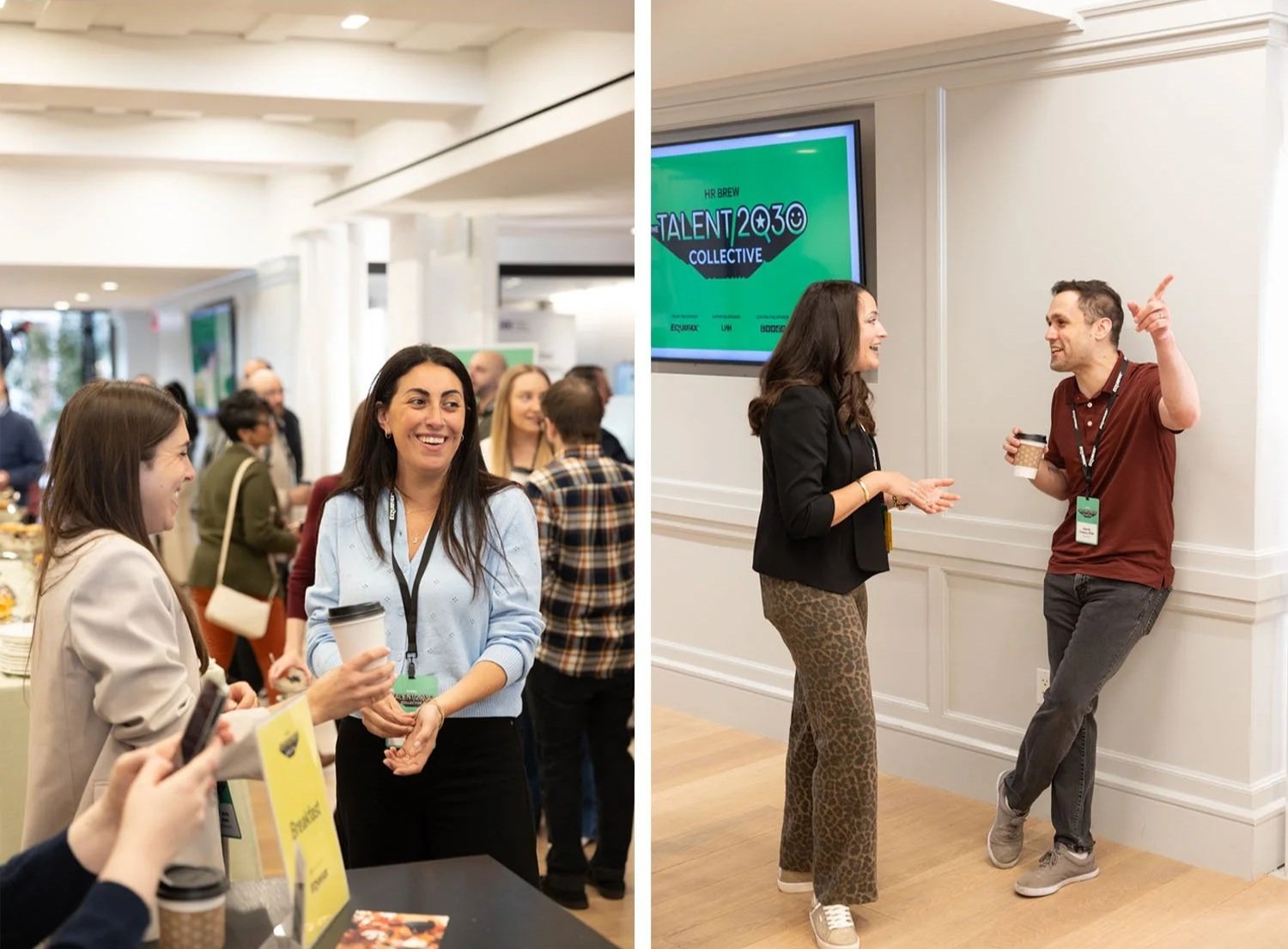
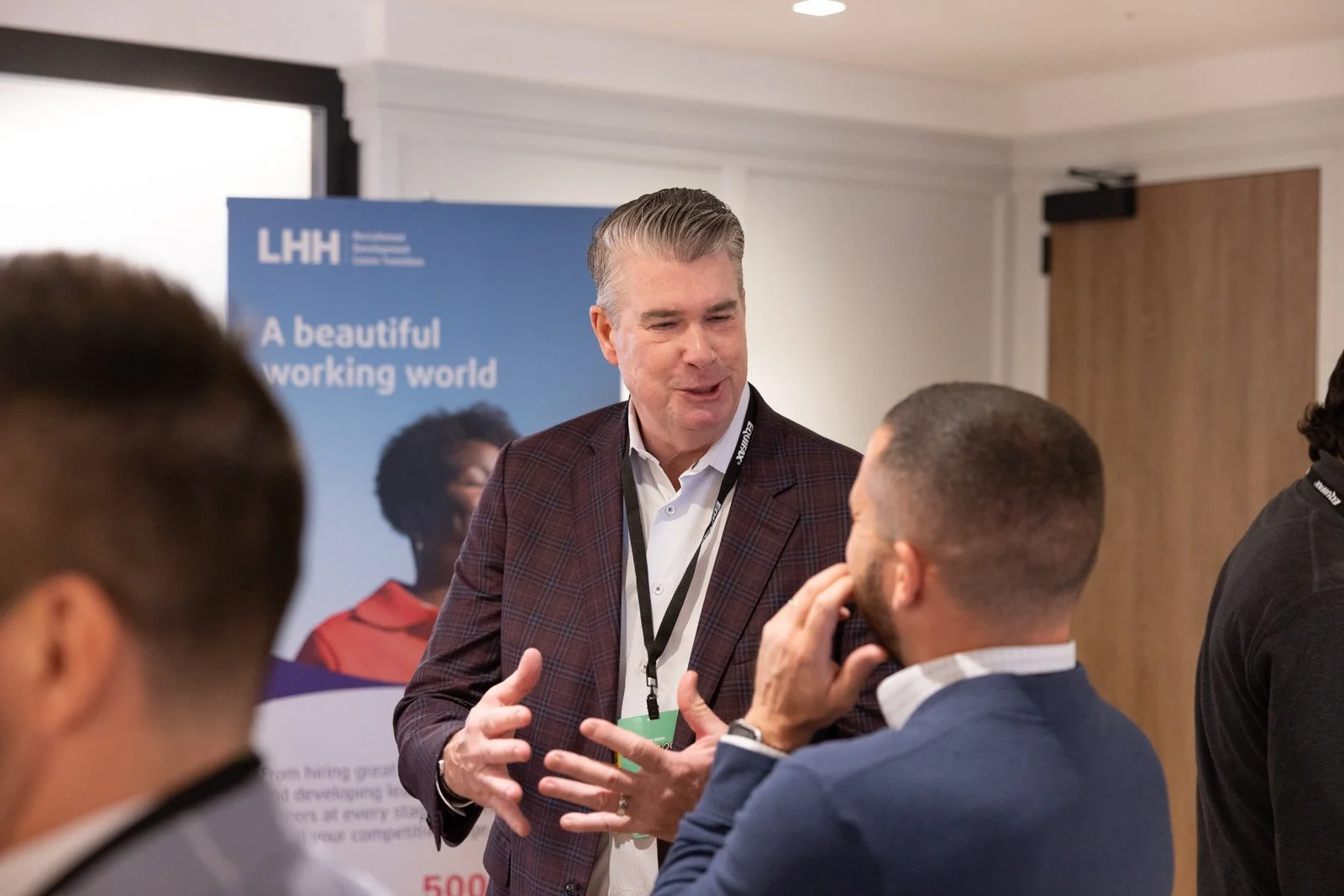
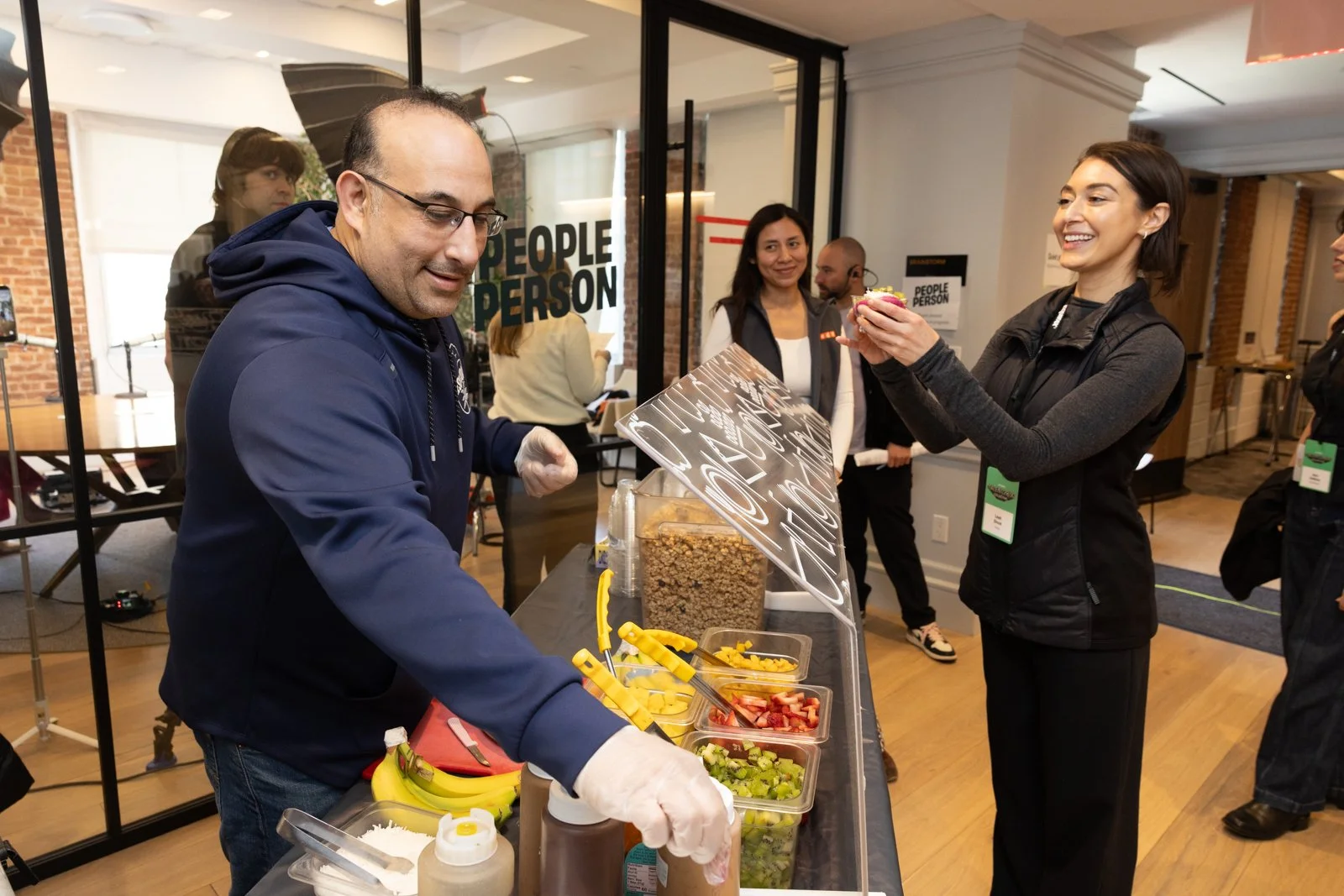
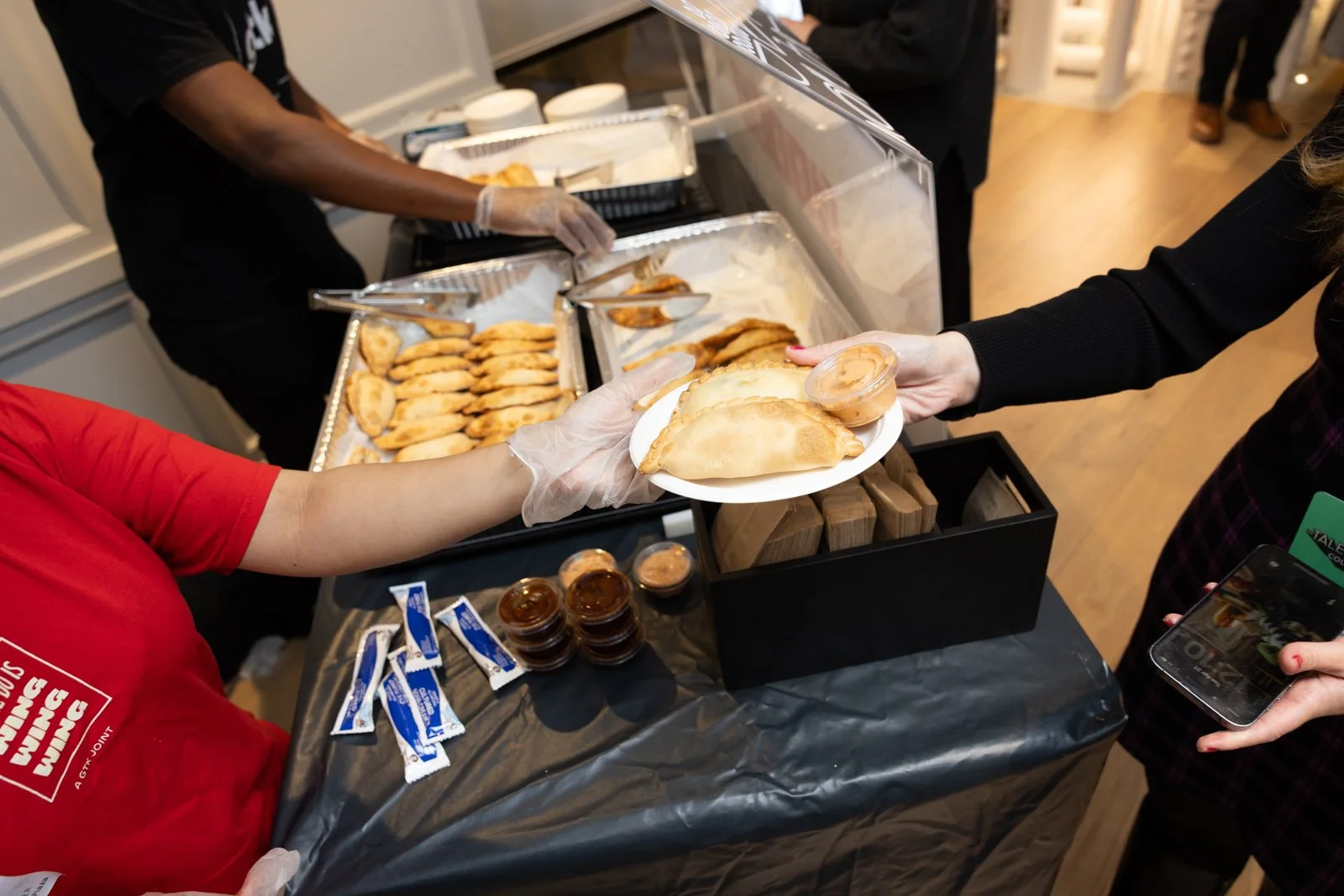
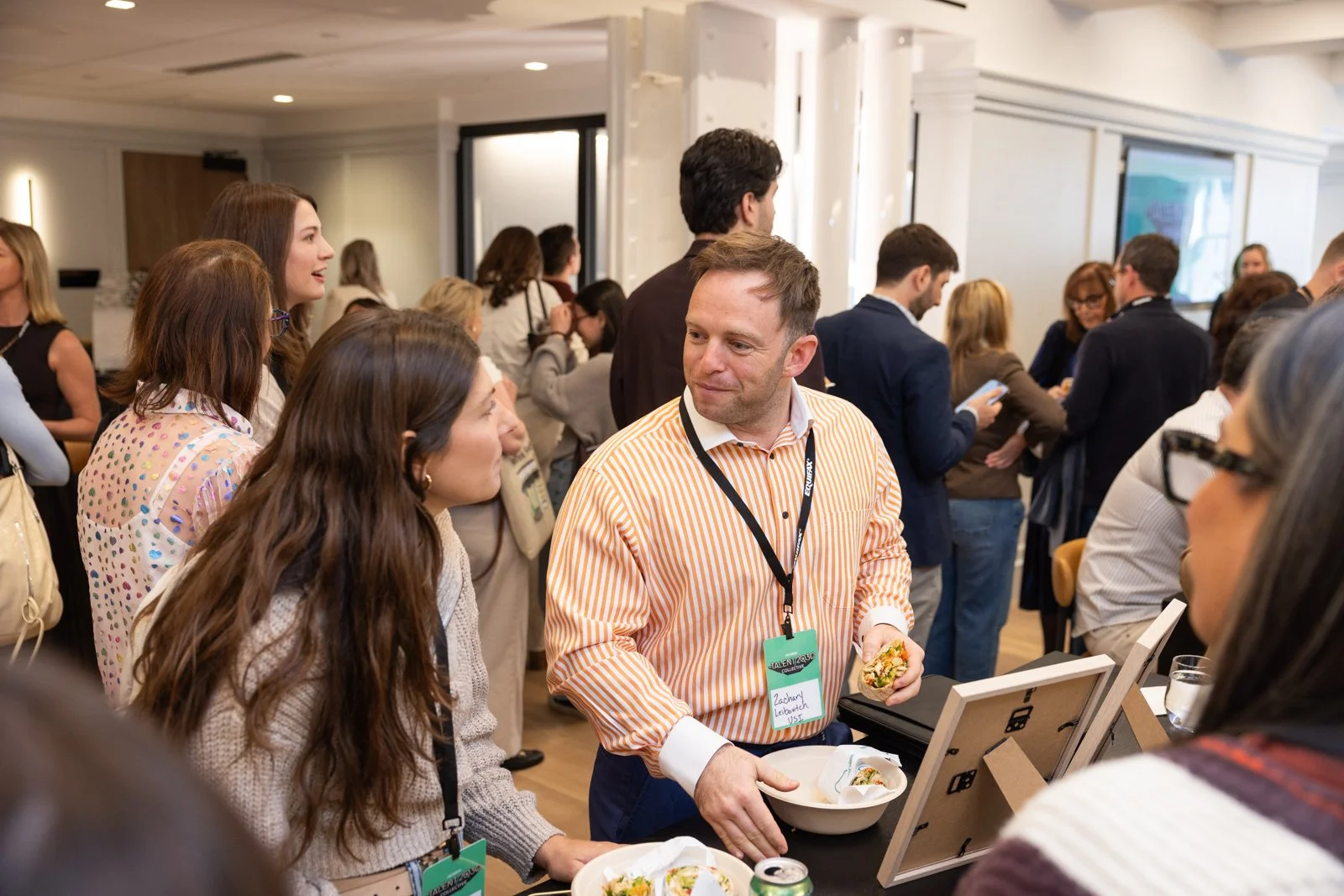
3. Capturing the "Human" Side of Networking and presenting

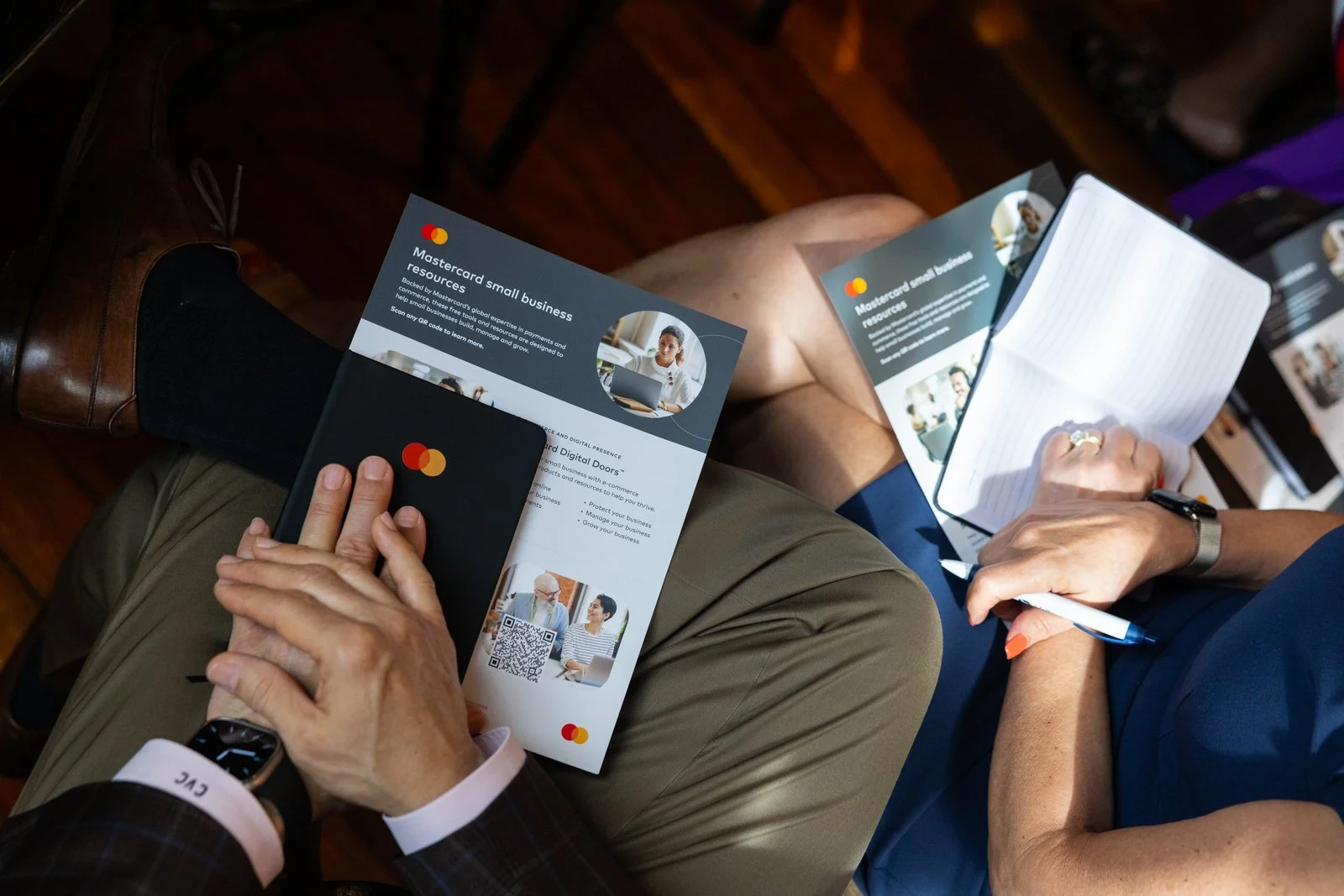
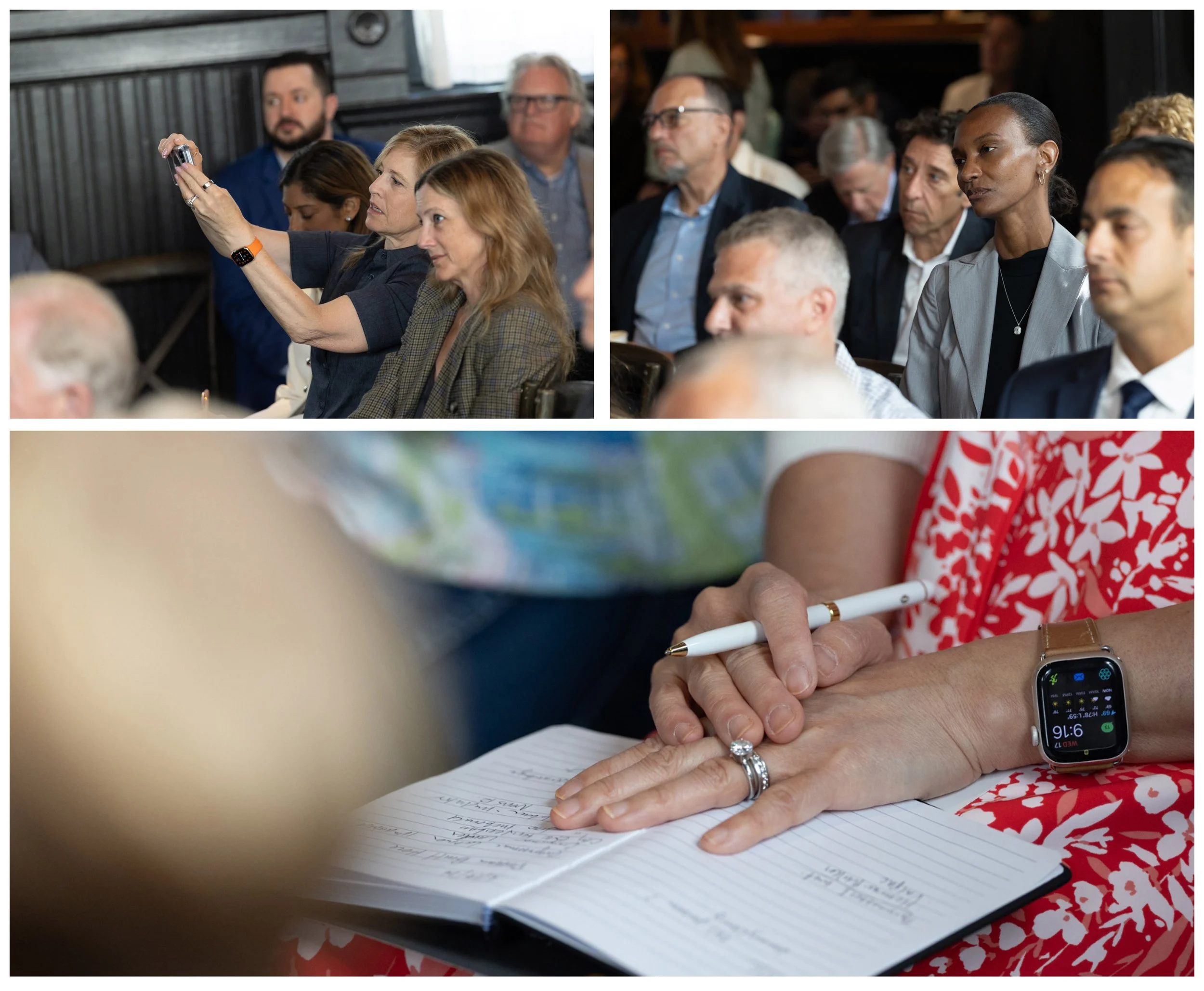
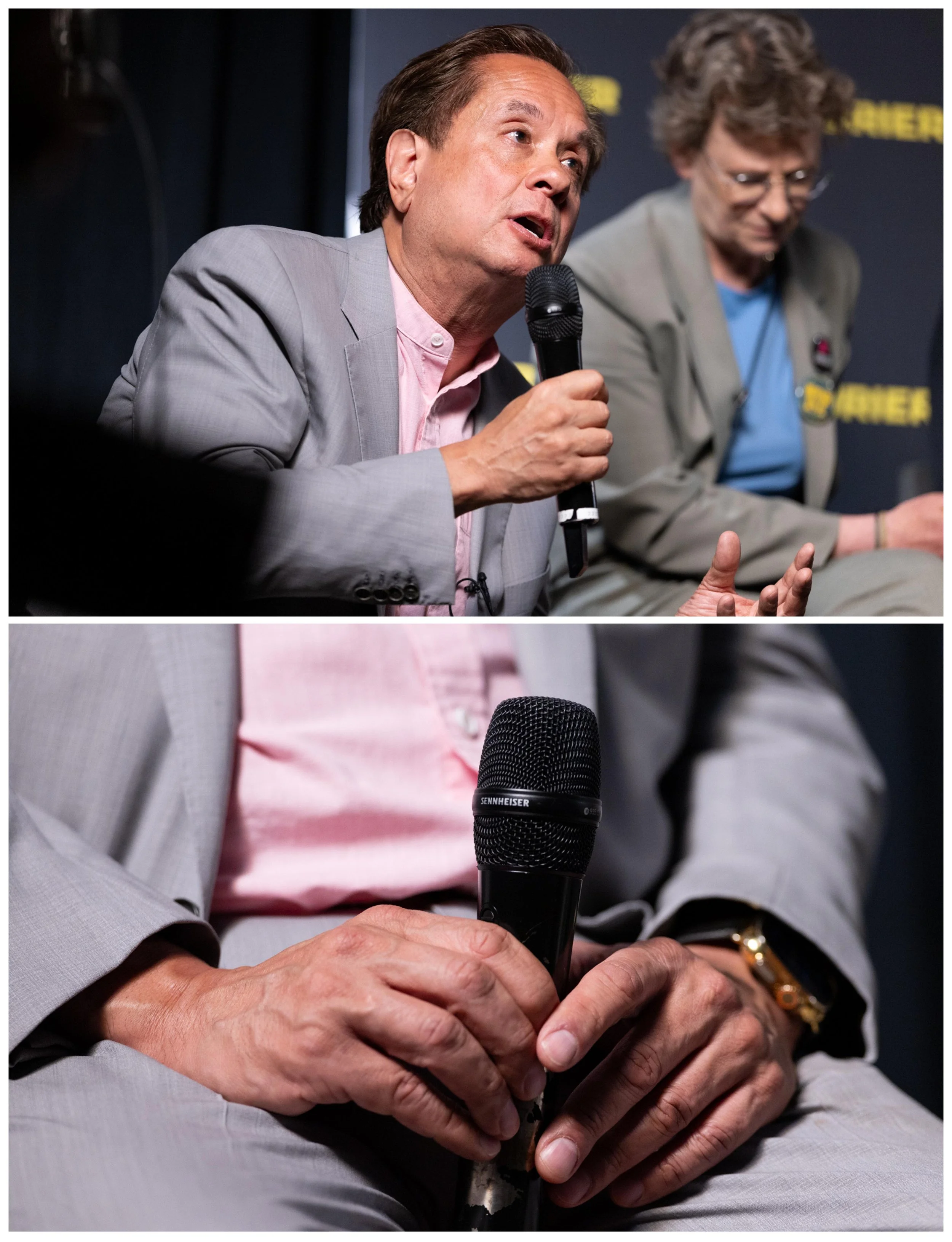
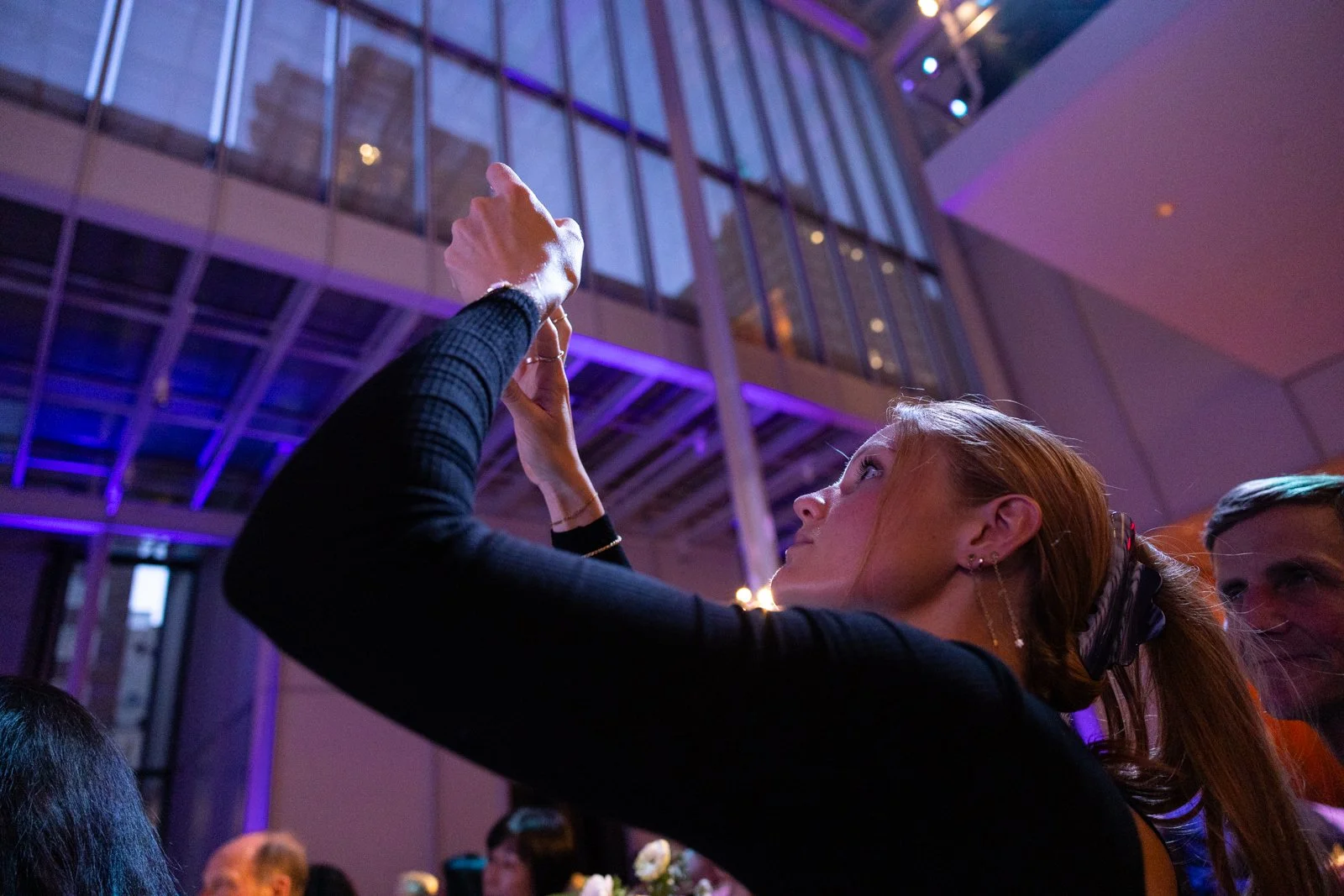
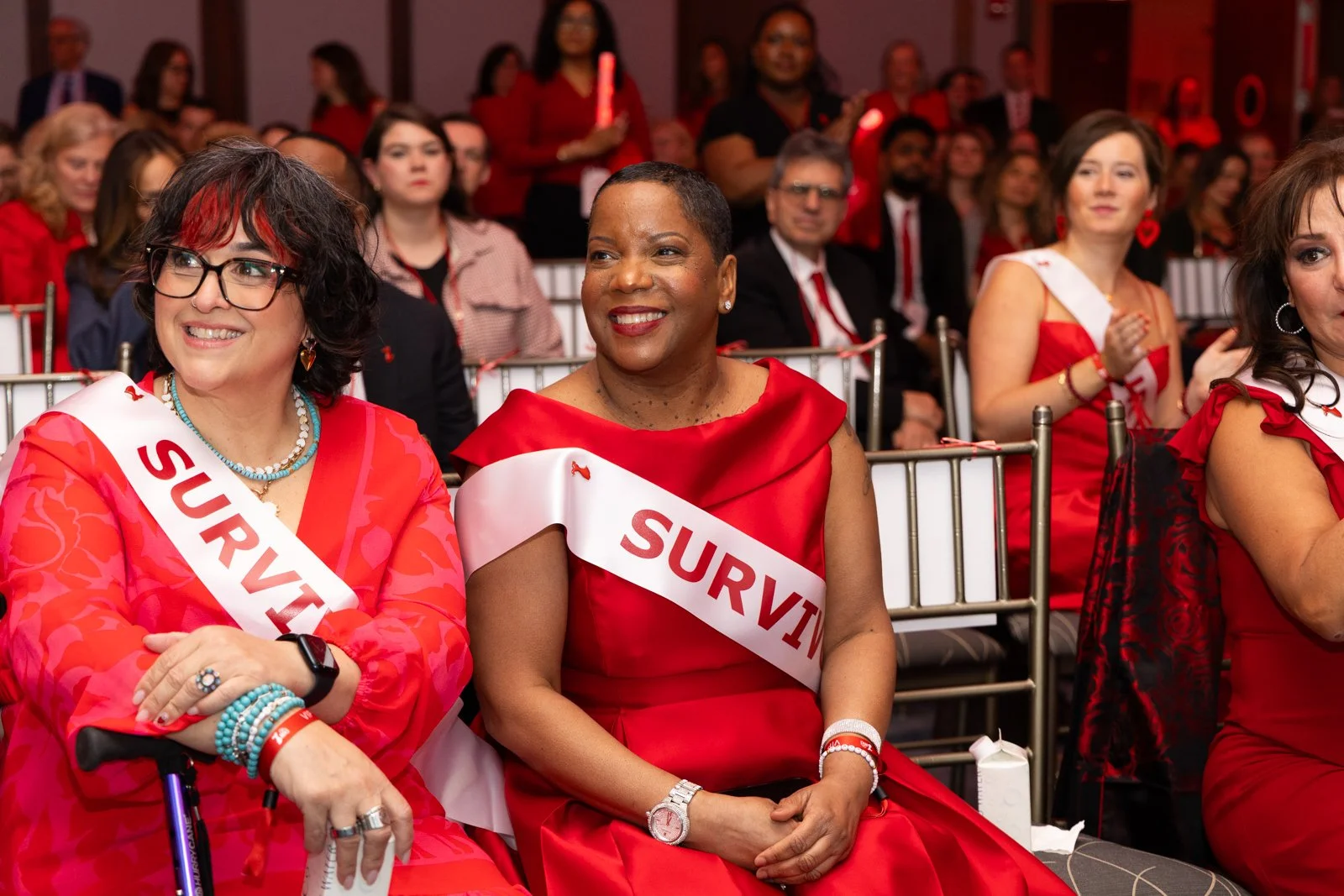
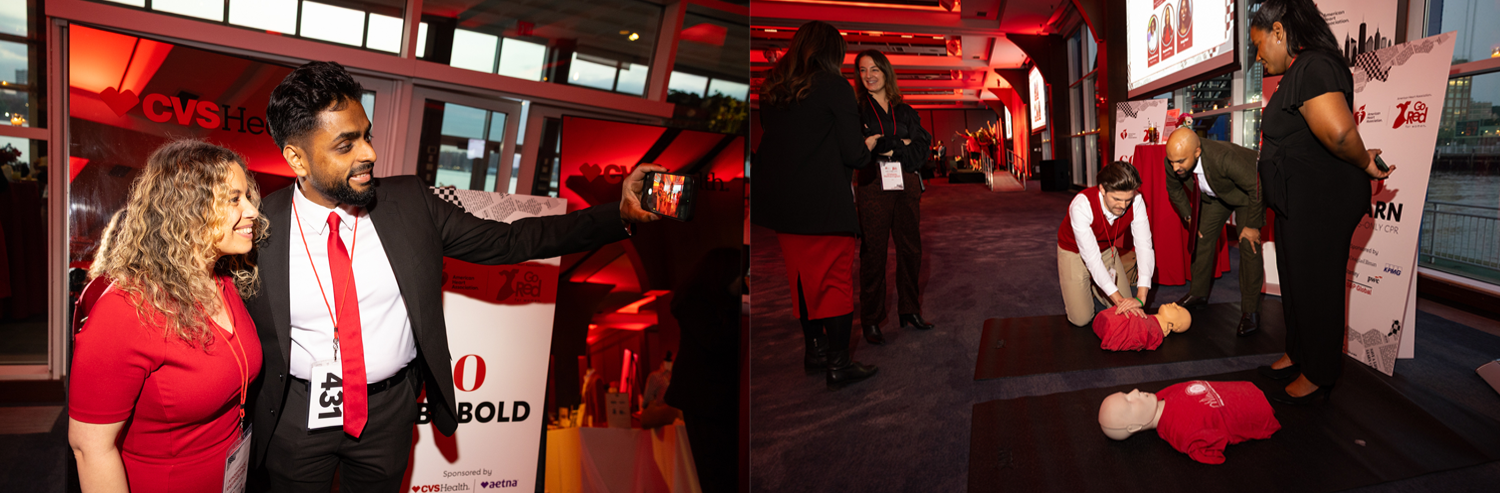
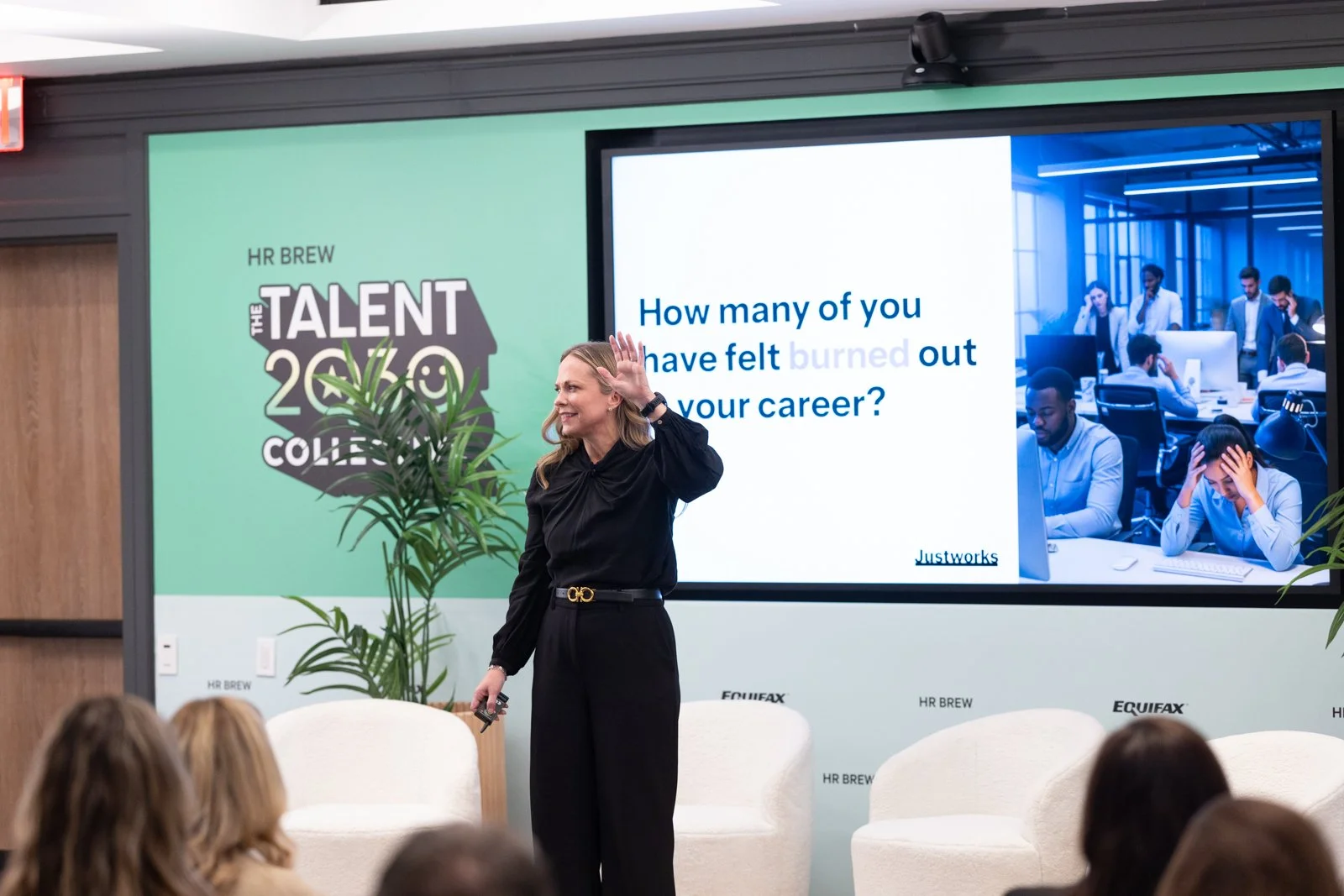
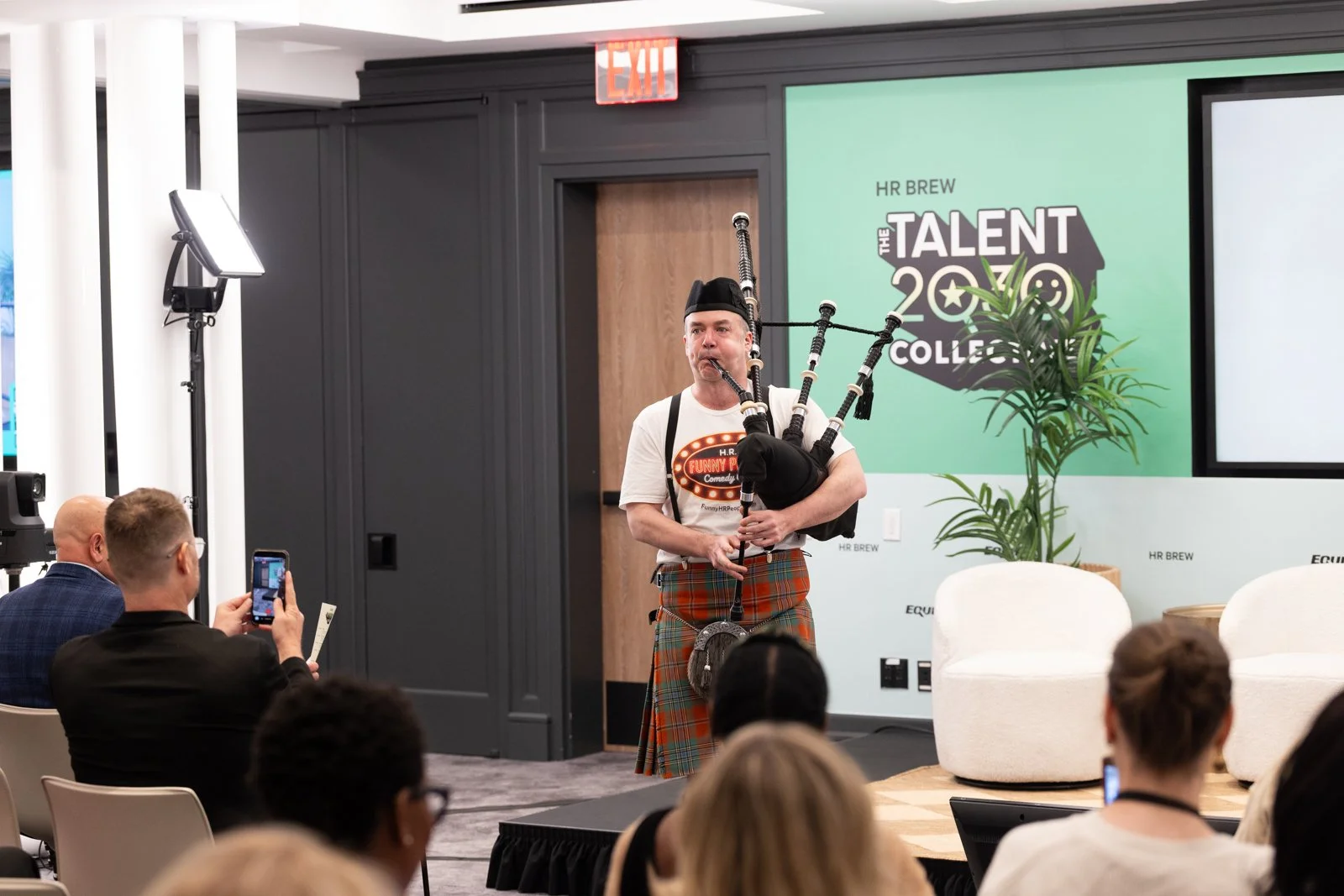
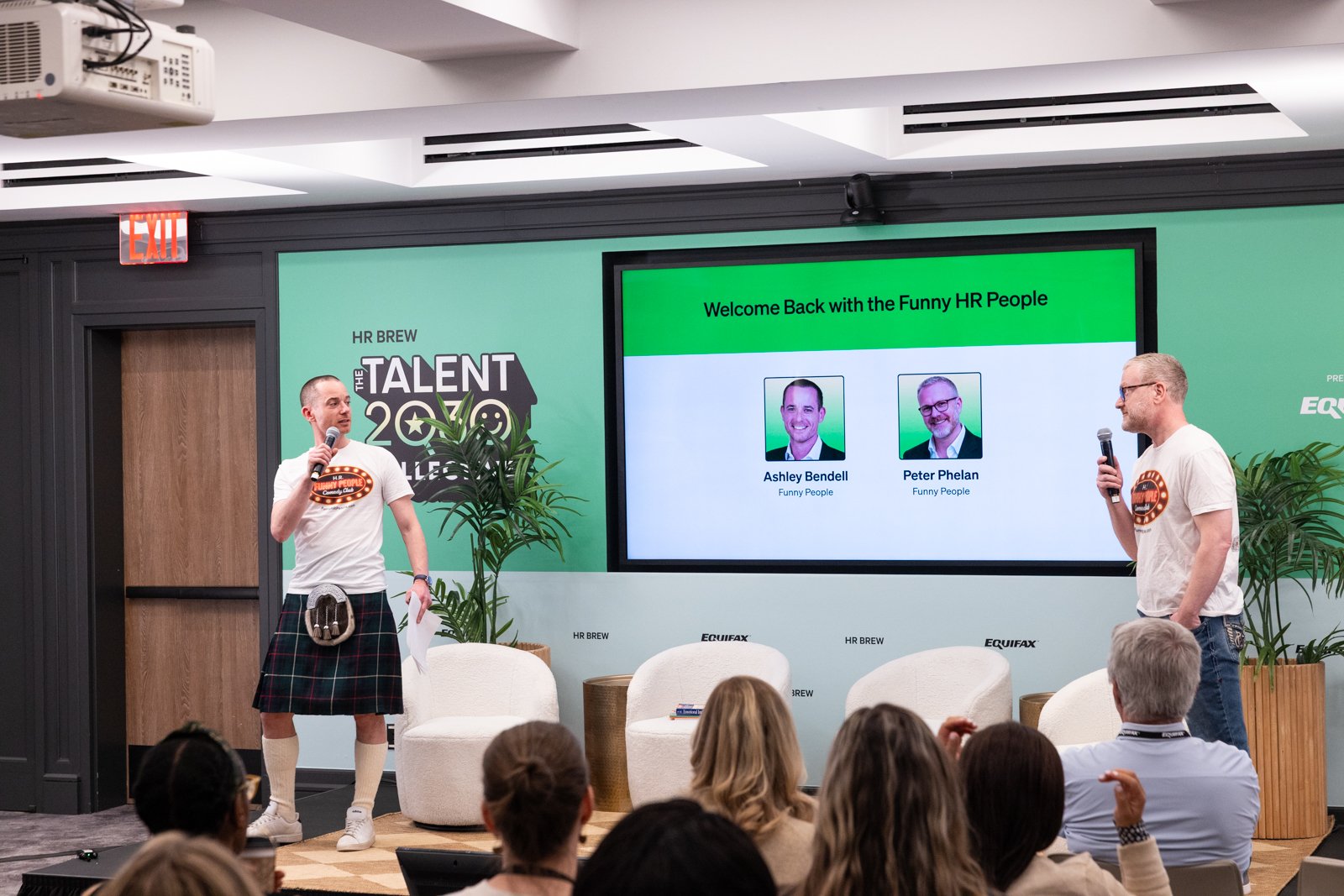
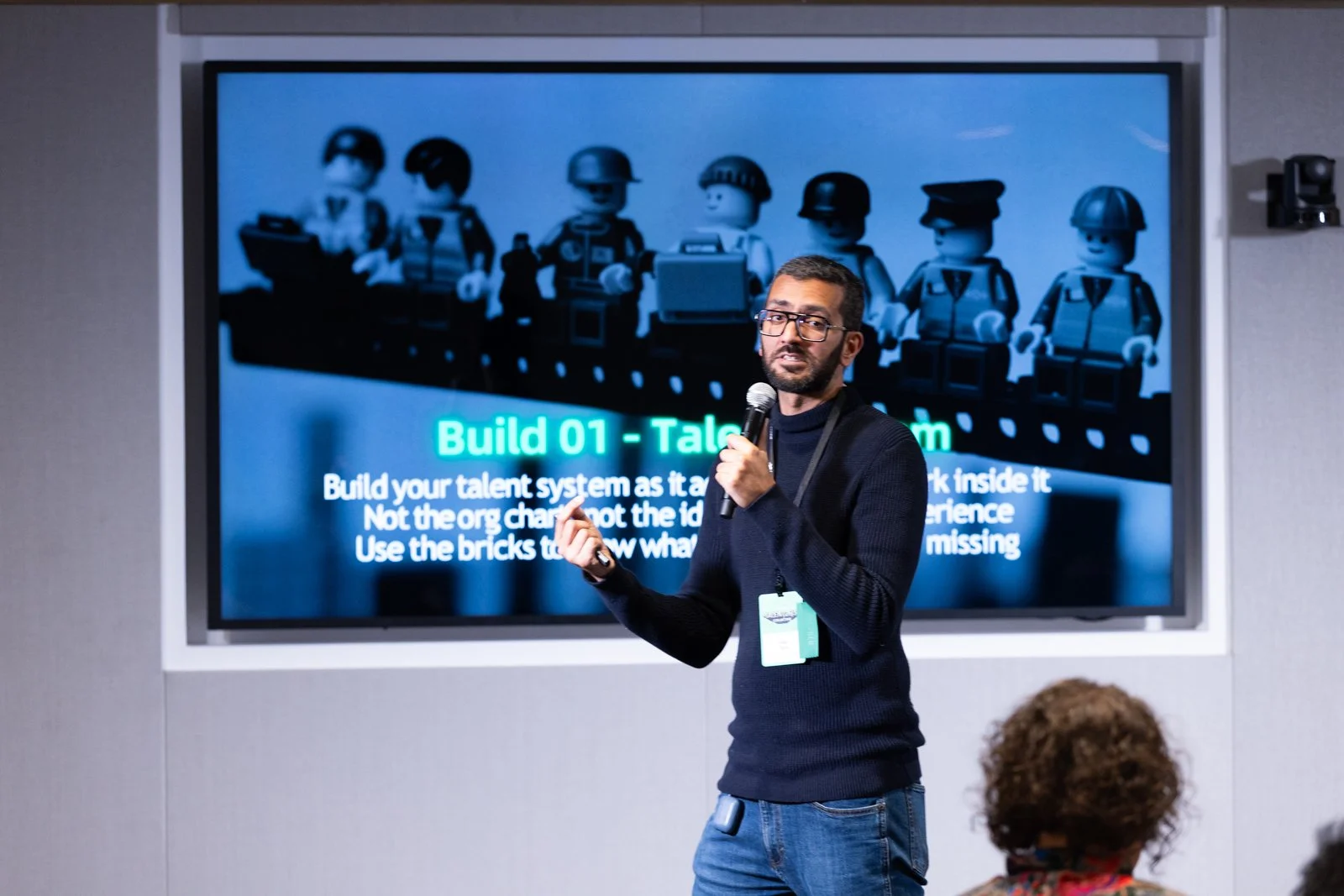
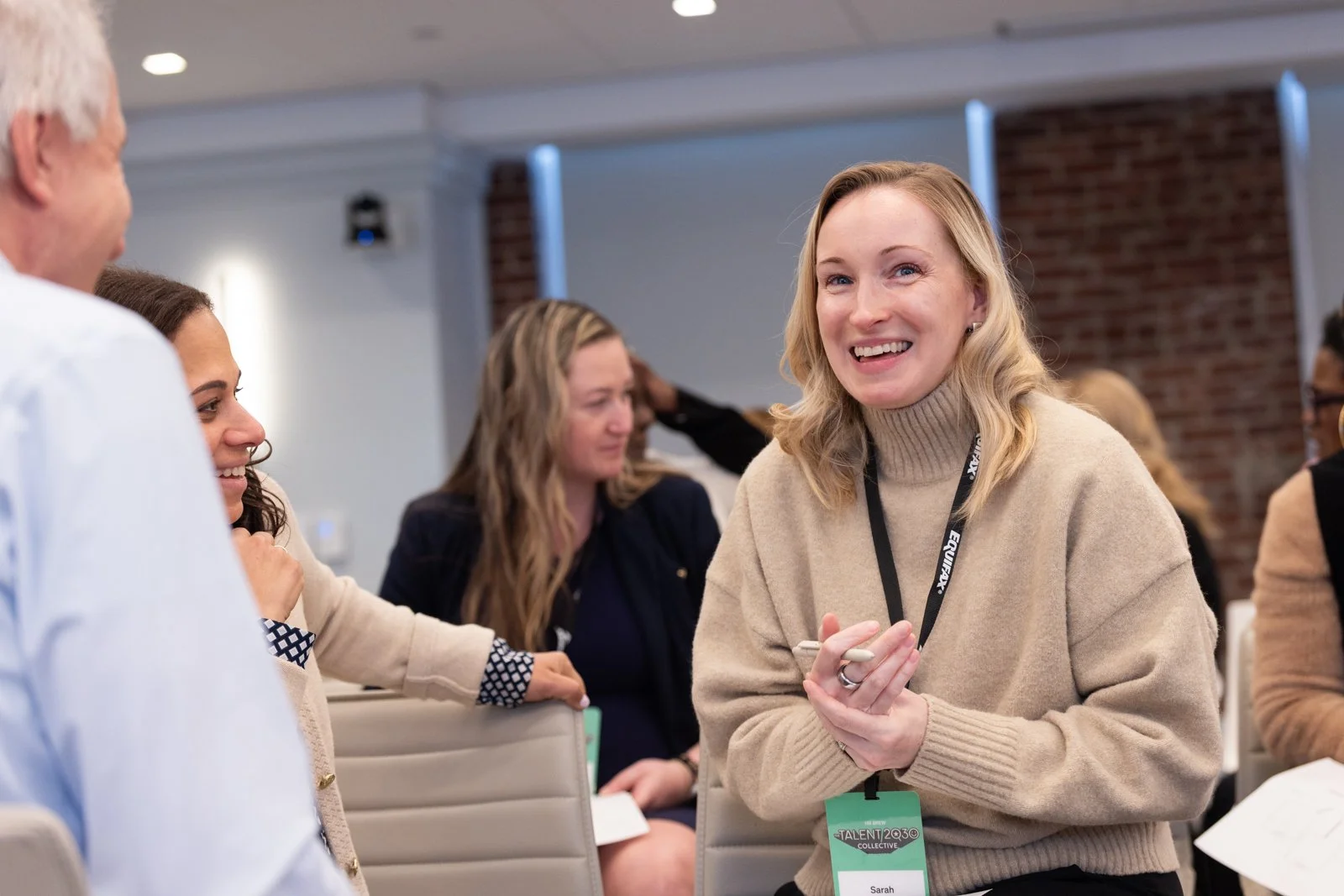
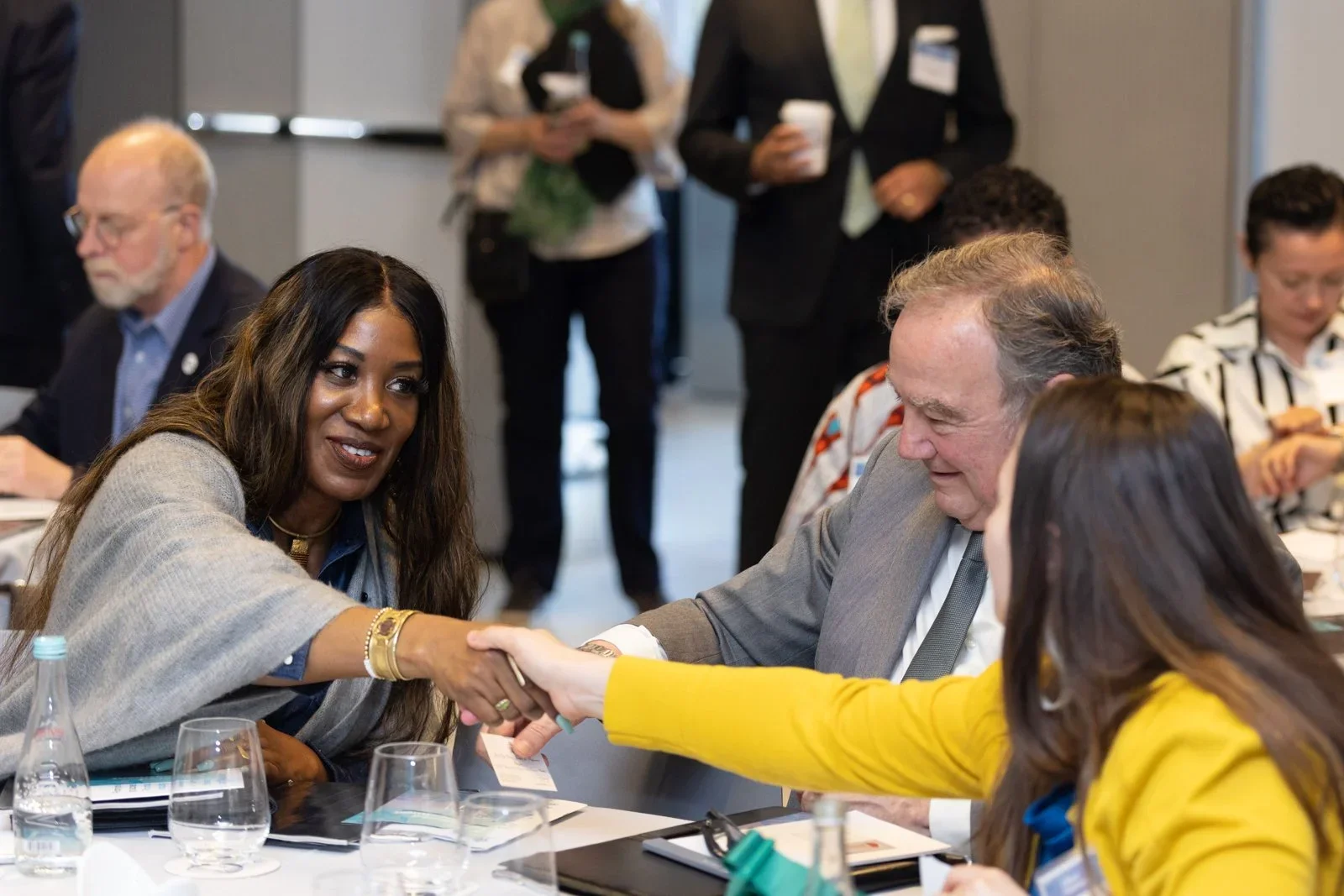
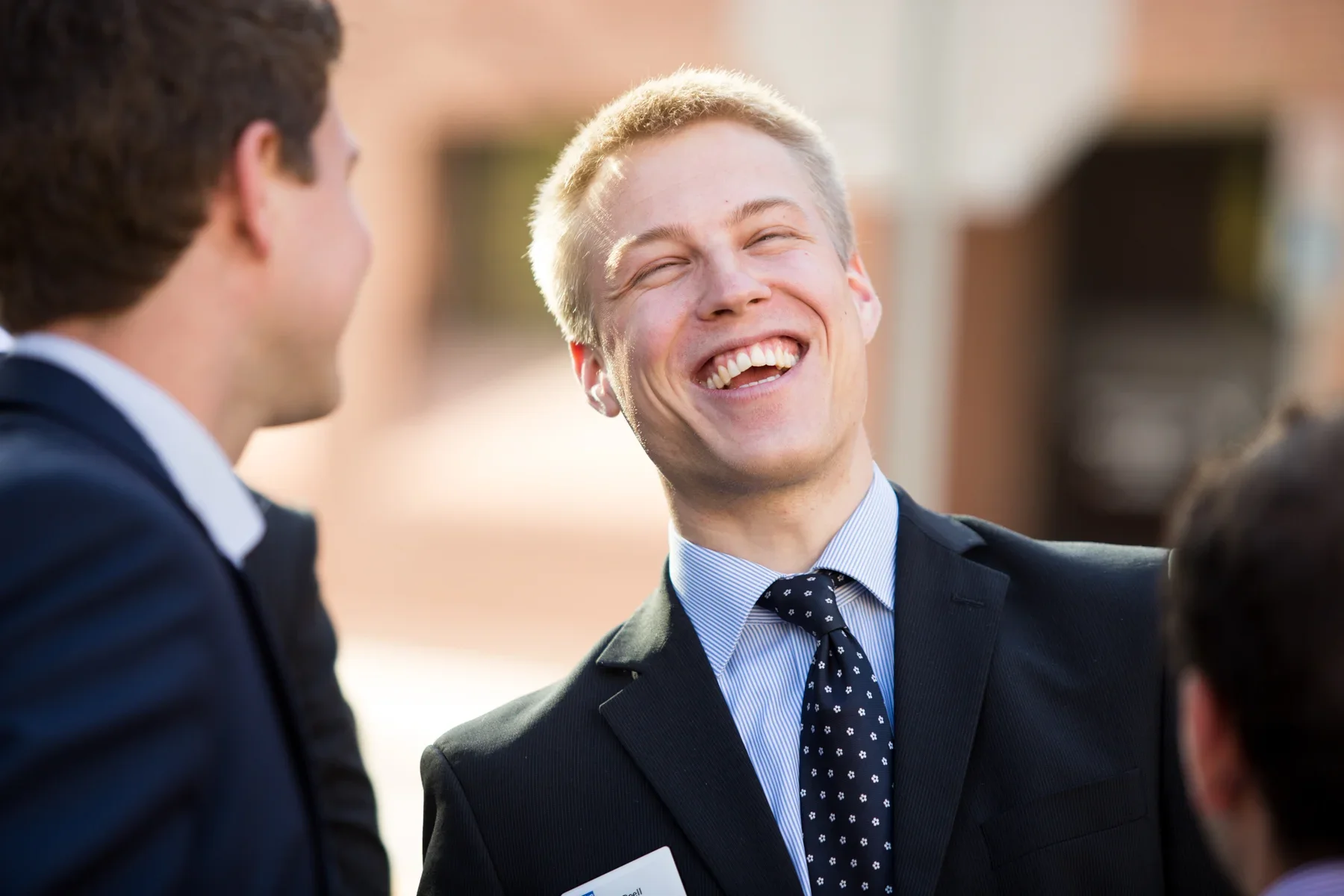
Standard podium shots are a baseline (wide shot, close ups, listening, speaking…), but the true value of a conference lies in the handshakes and the "aha!" moments. The quality of good photos are more candid, authentic, and engaging than staged group shots. Expertise in corporate event photography means knowing how to blend into the background to capture genuine networking without being intrusive.

4. High-Yield Marketing for next year

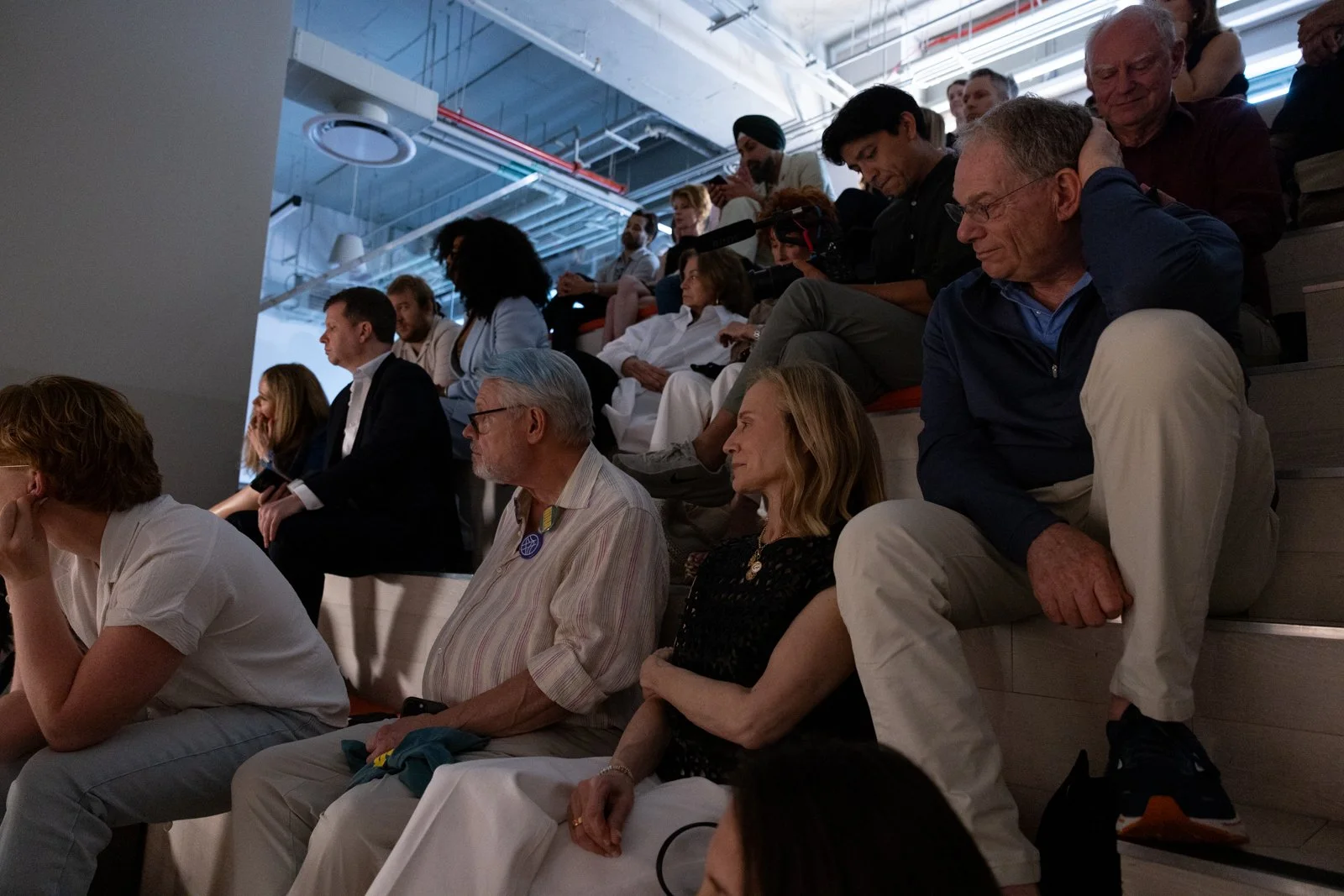
Your 2026 event is the best advertisement for your 2027 ticket sales. High-quality imagery creates a "fear of missing out" (FOMO) that stock photos simply cannot replicate. Professional shots of packed breakout sessions and engaged Q&As are the most persuasive tools in your sponsorship prospectus. One of the biggest changes in the post-pandemic world we’ve seen is the desire to have in person connections. Enough of Zoom and small meetings. People want to get out and about.

5. AI-Proof Authenticity

As AI-generated imagery becomes more common, authentic, human-centric photography has become a luxury. Showing your real team, your real speakers, and your real audience in New York City builds a level of trust and "topical authority" that an algorithm can’t fake.

Photographing a Museum Opening with Joe Torre at the New Jackie Robinson Museum

Unlike corporate venues, spaces like museums already have a strong identity — architecture, exhibits, and history all become part of the environment. When photographing these events, the goal is to document not only the program itself, but the space and how people look / feel within it. This event at the Jackie Robinson Museum centered around a talk and discussion featuring Joe Torre. =

Our Approach to Event Photography

There is often a central moment — a talk, panel, or discussion — but just as important are the interactions happening around it. When photographing events like this, we focus on:

  • The speaker and presentation, capturing key moments during the talk

  • Audience engagement, including reactions and engagement

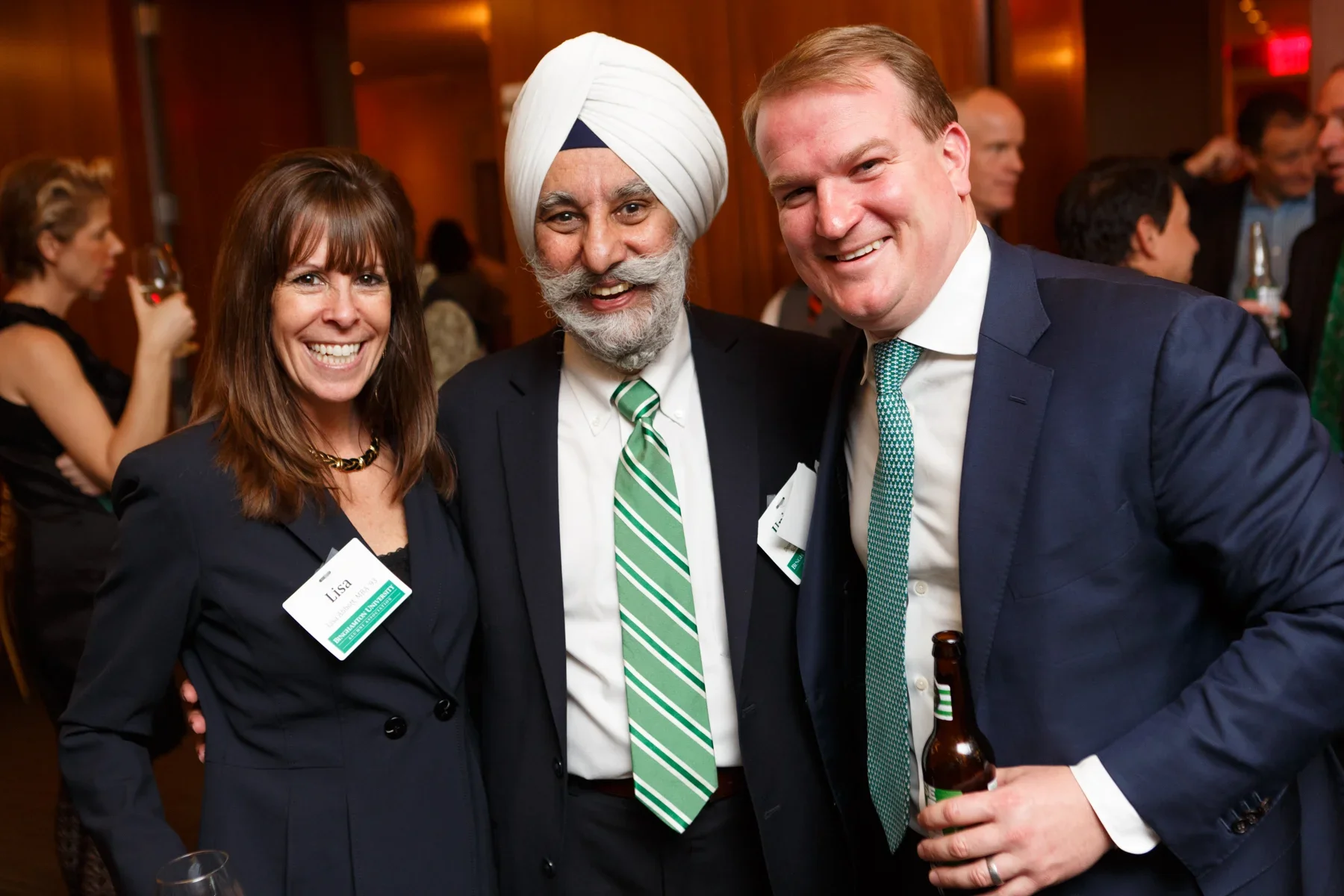
  • Candid conversations and networking, both before and after the program

The event moved between structured and informal moments. During the talk, the focus remained on Joe Torre, the former Yankee World Series Championship Coach— documenting his presence, gestures, and interaction with the audience. These moments require timing and awareness, capturing expressions and key points without being intrusive.

Why Event space openings and activations Are Unique

Openings at cultural institutions like the Jackie Robinson Museum offer more than just a venue — they create an atmosphere shaped by history, storytelling, and design. The exhibits, layout, and lighting influence how guests move through the space and engage with both the environment and each other. The result is a gallery that feels connected to the meaning of the space, not separate from it.

Photographing Company Celebrations: Anniversaries, Milestones, and Corporate Parties

Not every corporate event centers around a stage. Some of the most meaningful gatherings happen when a company pauses to celebrate itself — a milestone anniversary, a company birthday, a holiday party, or a major internal achievement. These events may feel more relaxed than conferences or panels, but they carry just as much importance. They reflect culture. They show team dynamics.

As Event Photographers we approach company celebrations with the same intention we bring to every corporate event: document the atmosphere, highlight the people, and create imagery that feels both natural and usable long after the event ends. Our images tell a story; Who, What, When, Where, and Why.

Our Approach to Company Parties and Anniversaries

Corporate celebrations have a rhythm of their own. There’s arrival energy, informal conversations, structured moments like speeches or toasts, and then the candid in-between interactions that often define the night.

When photographing events we focus on:

  • Capturing authentic team interactions rather than overly posed moments

  • Documenting key moments — speeches, recognitions, announcements

  • Highlighting branding elements and décor that reinforce company identity

  • Maintaining a presence that feels unobtrusive but attentive

The goal is never just to “cover” the event — it’s to build a visual narrative that reflects how the company operates and how its people connect.

Why Milestone Events Matter Visually

Anniversaries and company celebrations are often used beyond the event itself. Images from these gatherings support:

  • Press releases

  • LinkedIn and social announcements

  • Recruitment efforts

  • Company history documentation

Beyond Parties: A Broader Corporate Focus

While this gallery highlights a company birthday celebration, our corporate event coverage spans a wide range of formats, including:

  • Panel discussions

  • Conferences and summits

  • Galas and fundraisers

  • Networking events

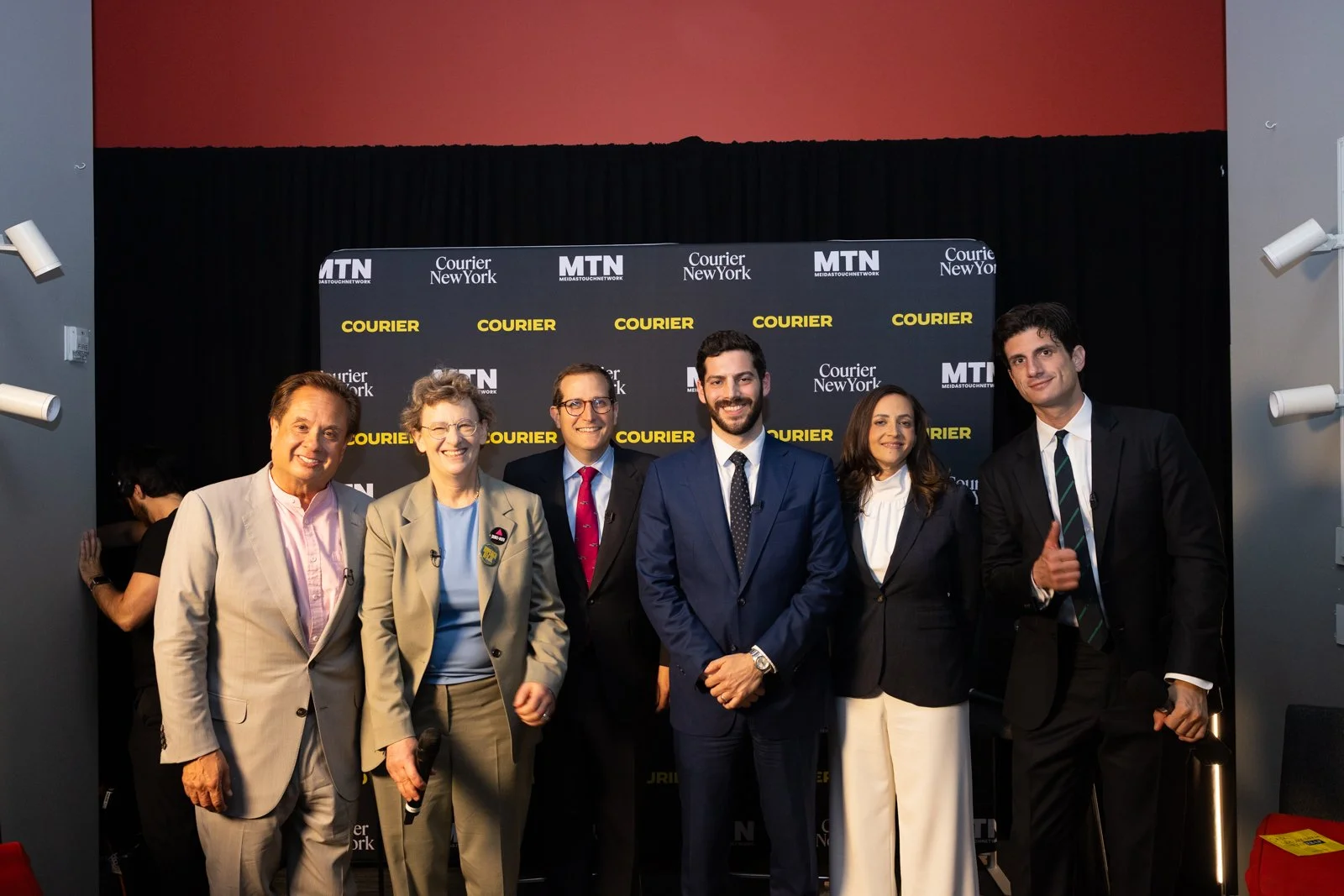
  • Step and repeat press moments

Corporate events aren’t just gatherings — they’re reflections of culture, momentum, and identity. Photographing them with that in mind makes all the difference.

Event Venue: Ascent Lounge in Columbus Circle

How We Approach Every Corporate Event: From Panels to Galas

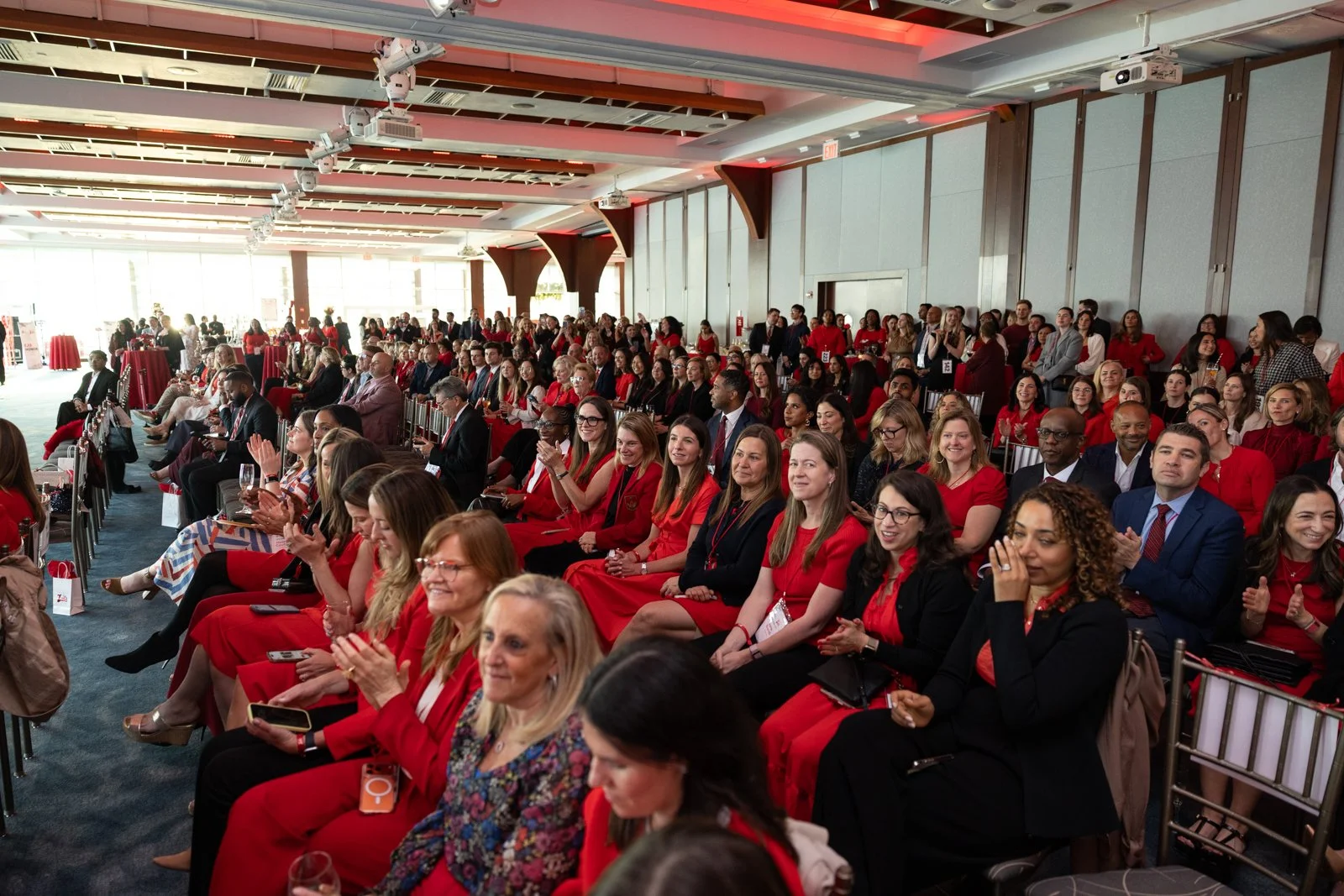
Corporate events come in all shapes and sizes — from focused panel discussions to elegant galas, fast-paced networking mixers to carefully branded step-and-repeat moments. But no matter the format, our approach remains rooted in the same set of principles we’ve refined over years of photographing New York’s most dynamic professional experiences: presence, storytelling, and intentional coverage that reflects both the energy of the moment and the goals behind the event.

Below, we break down how we work with four common corporate event formats, what we focus on at each, and why these approaches help organizations make the most of their visual storytelling.

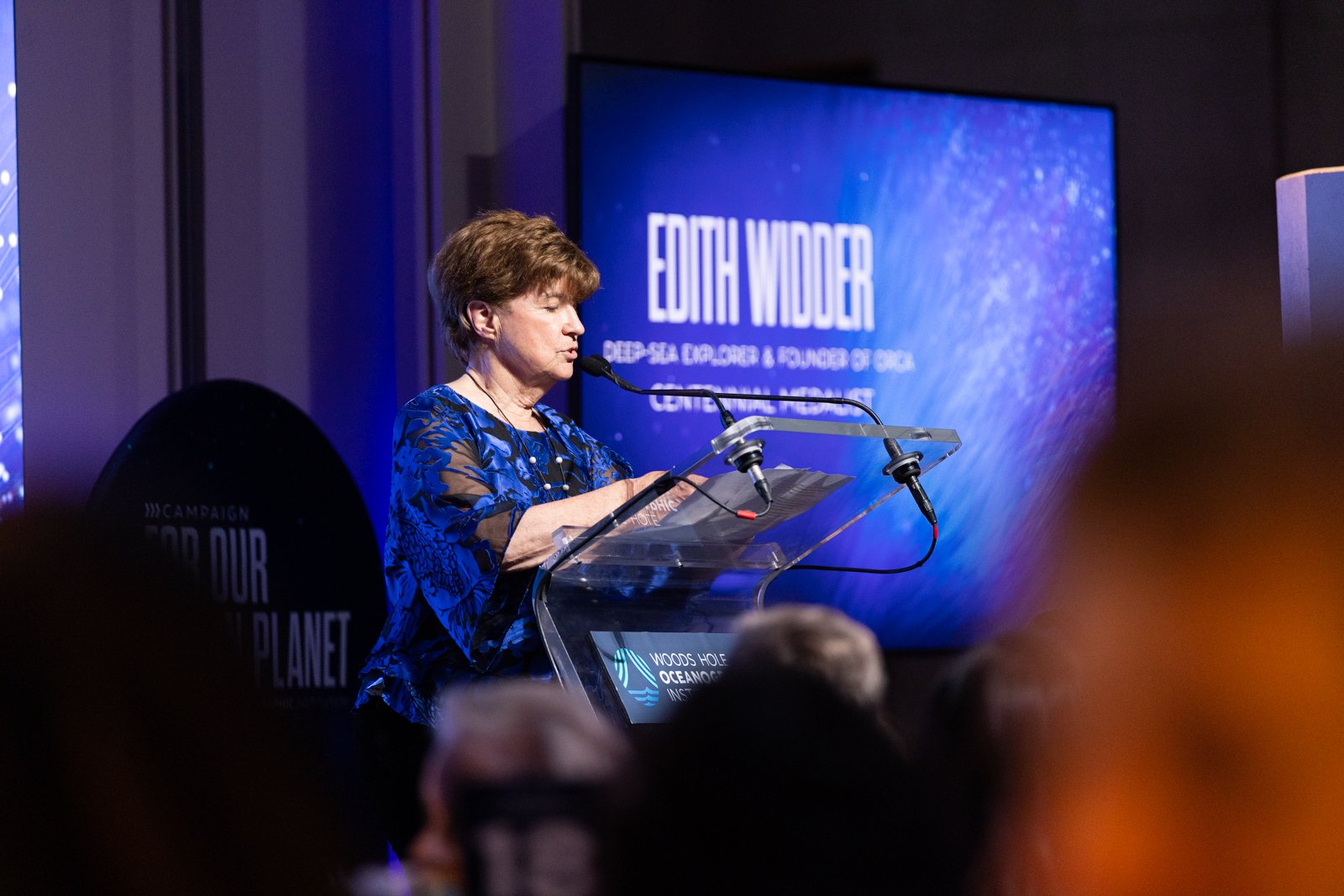
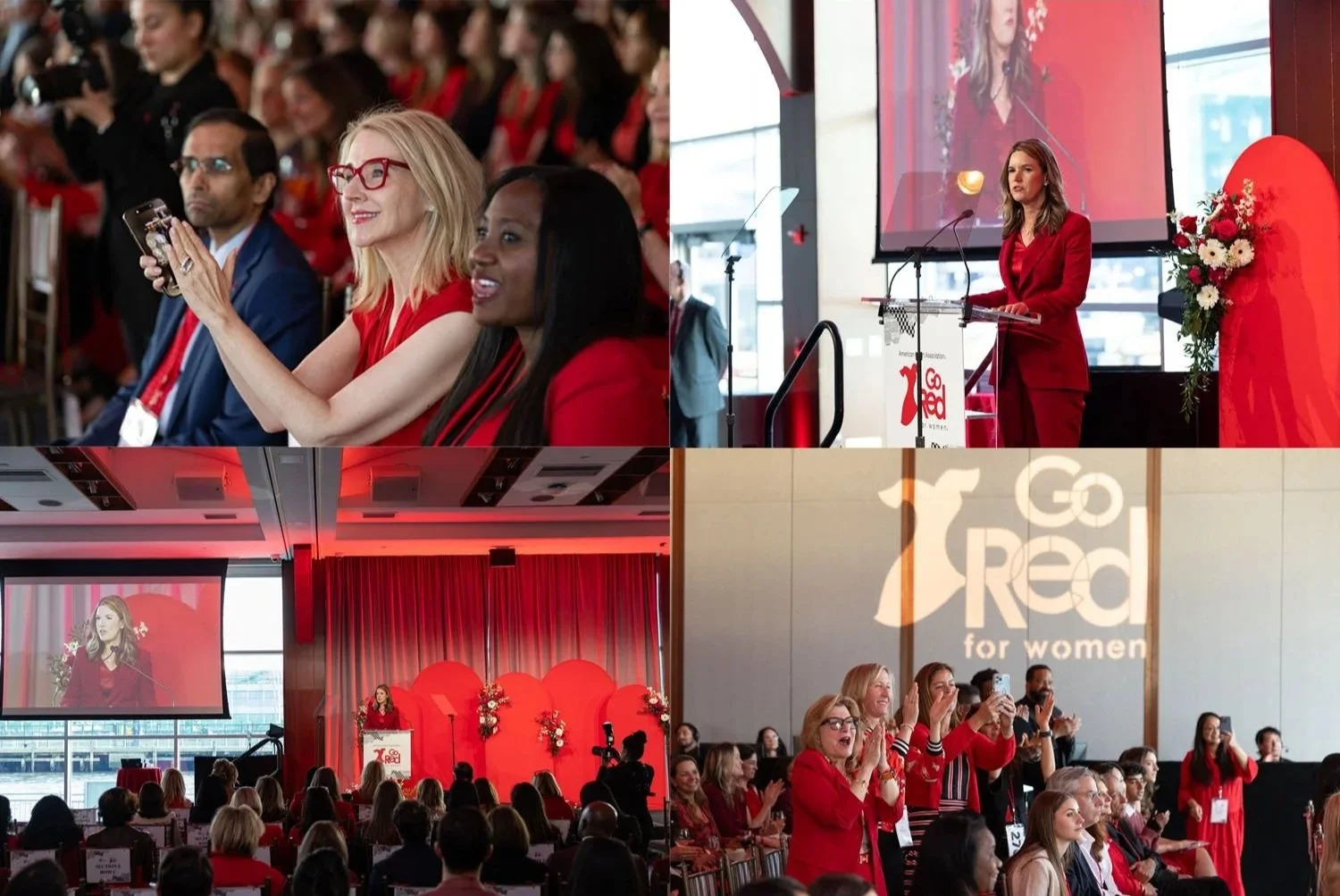
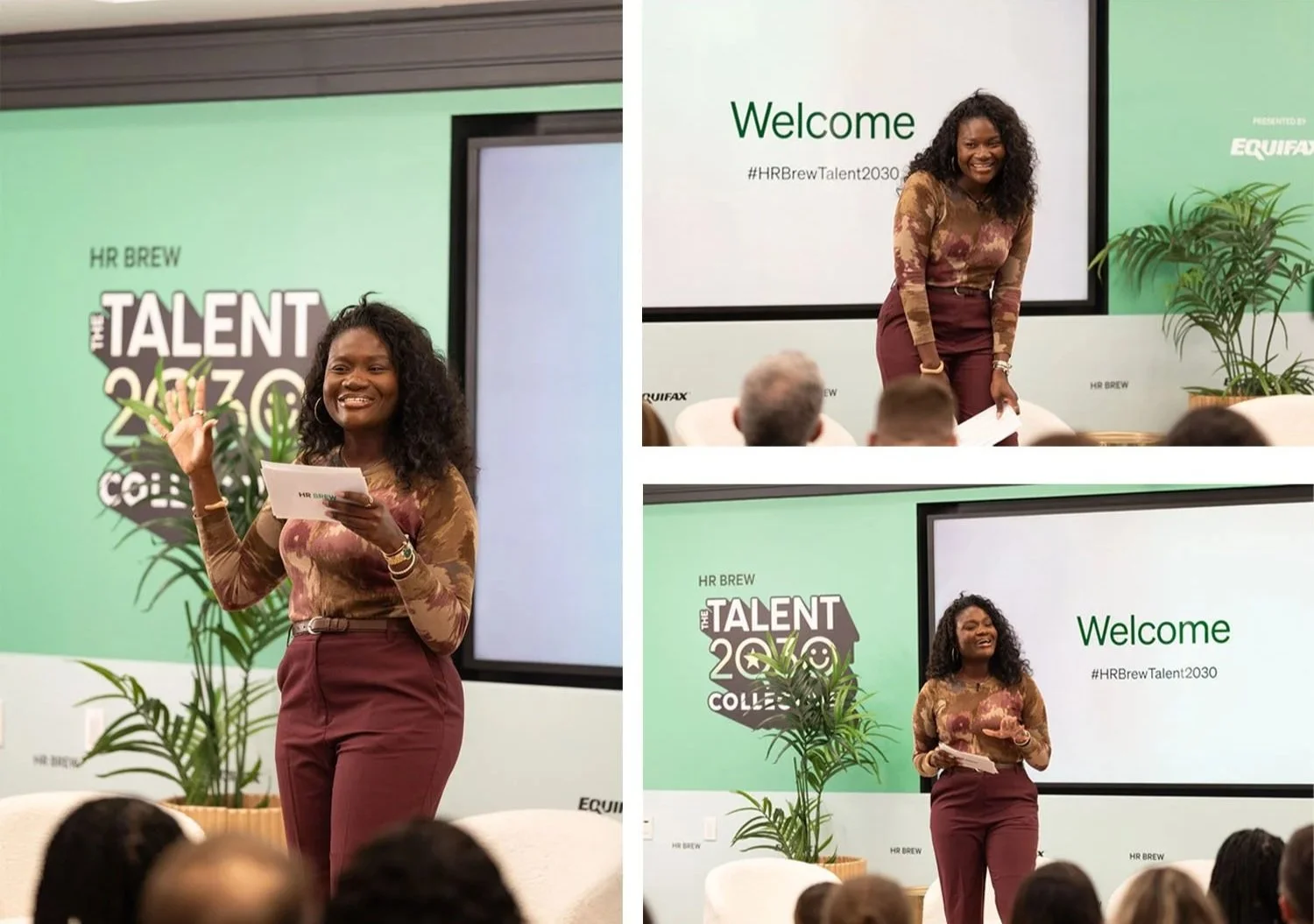
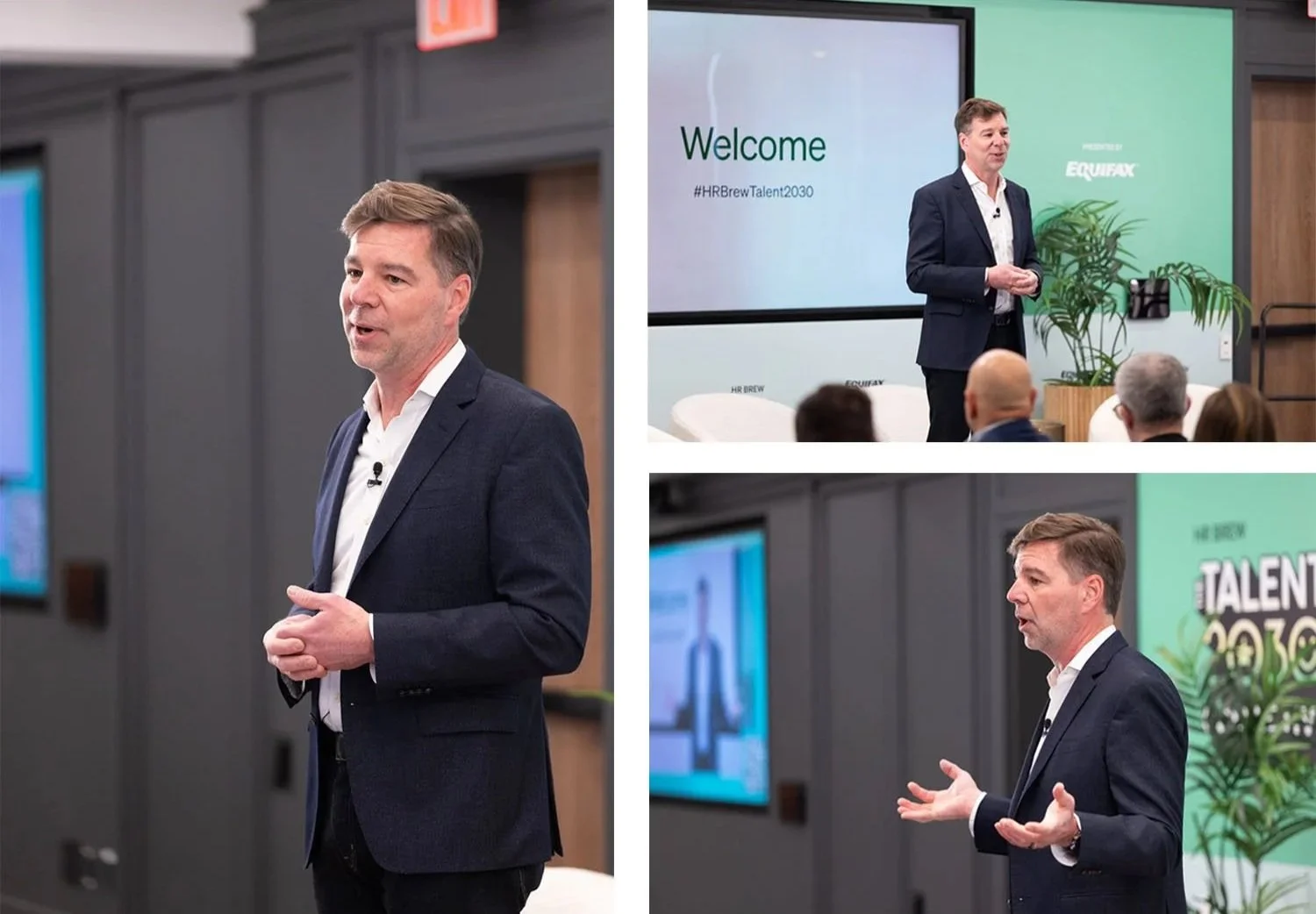
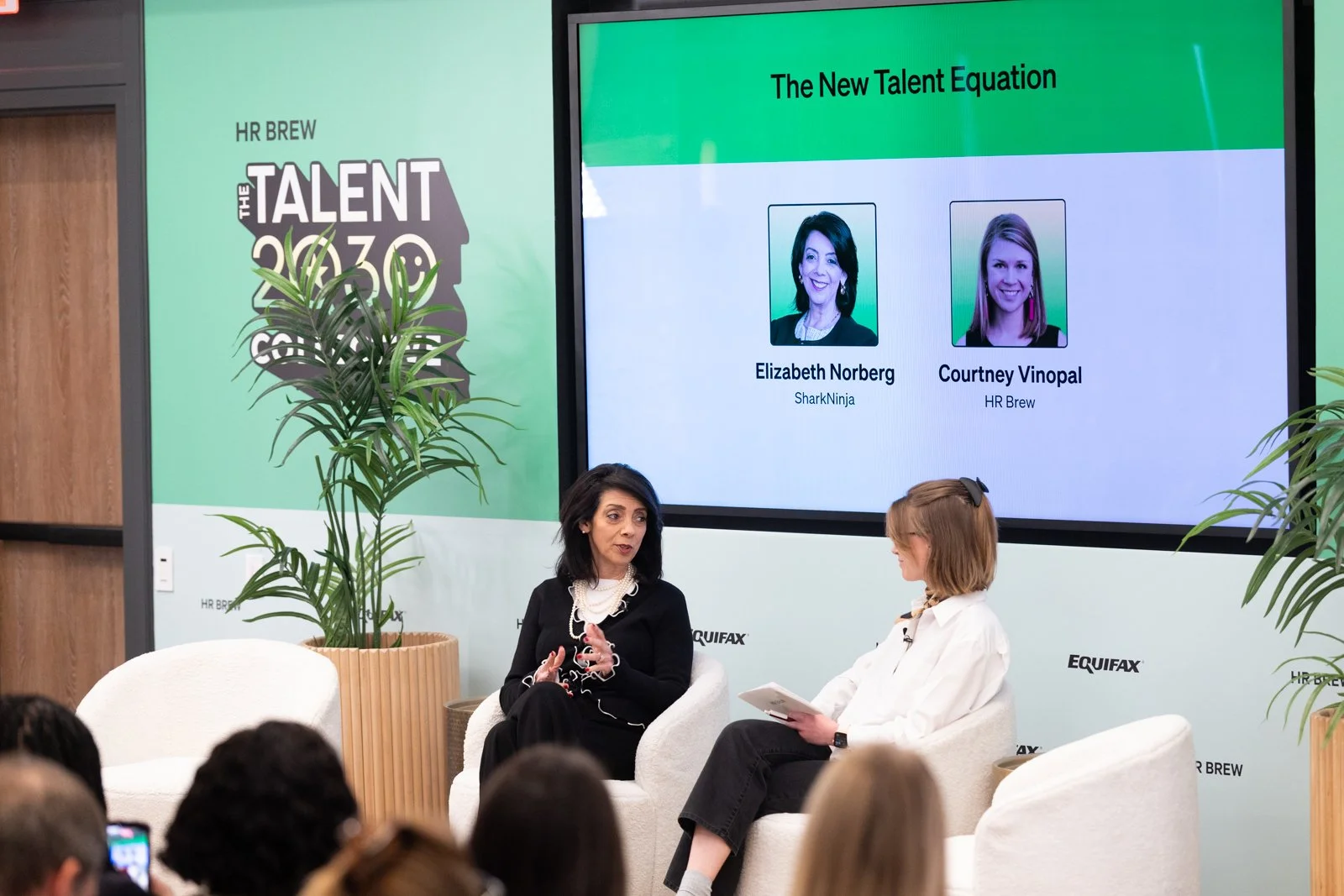
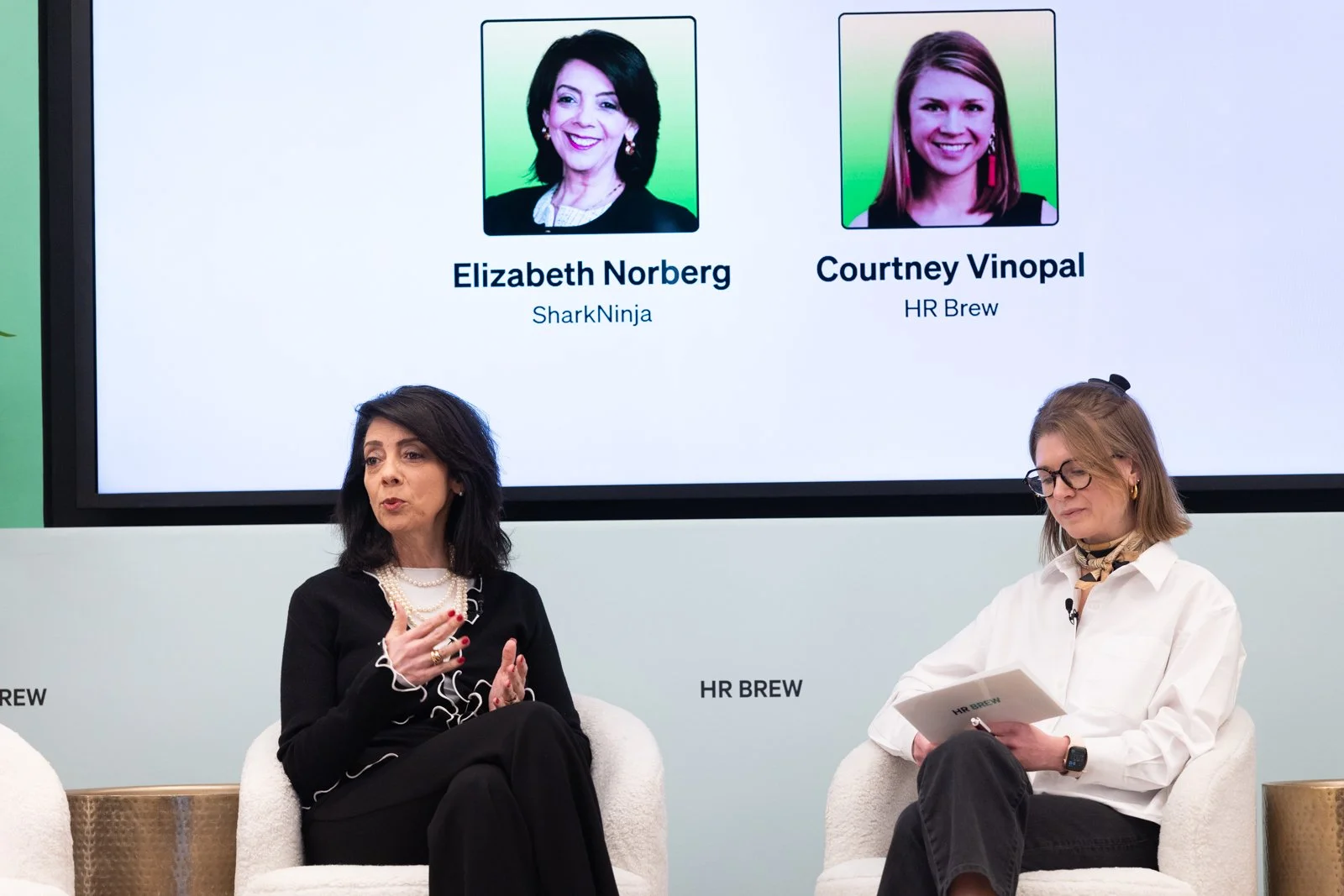
Panel Discussions

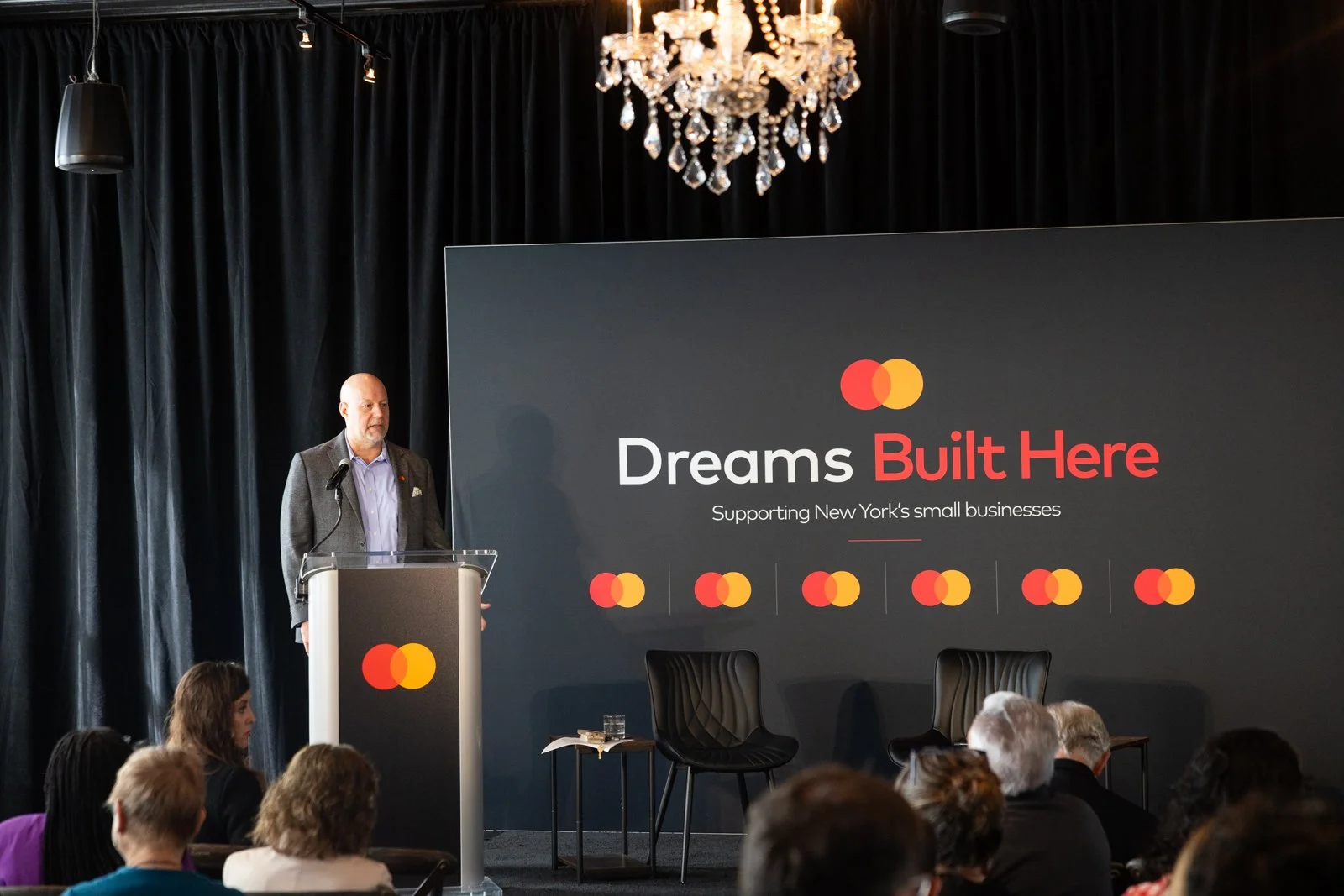
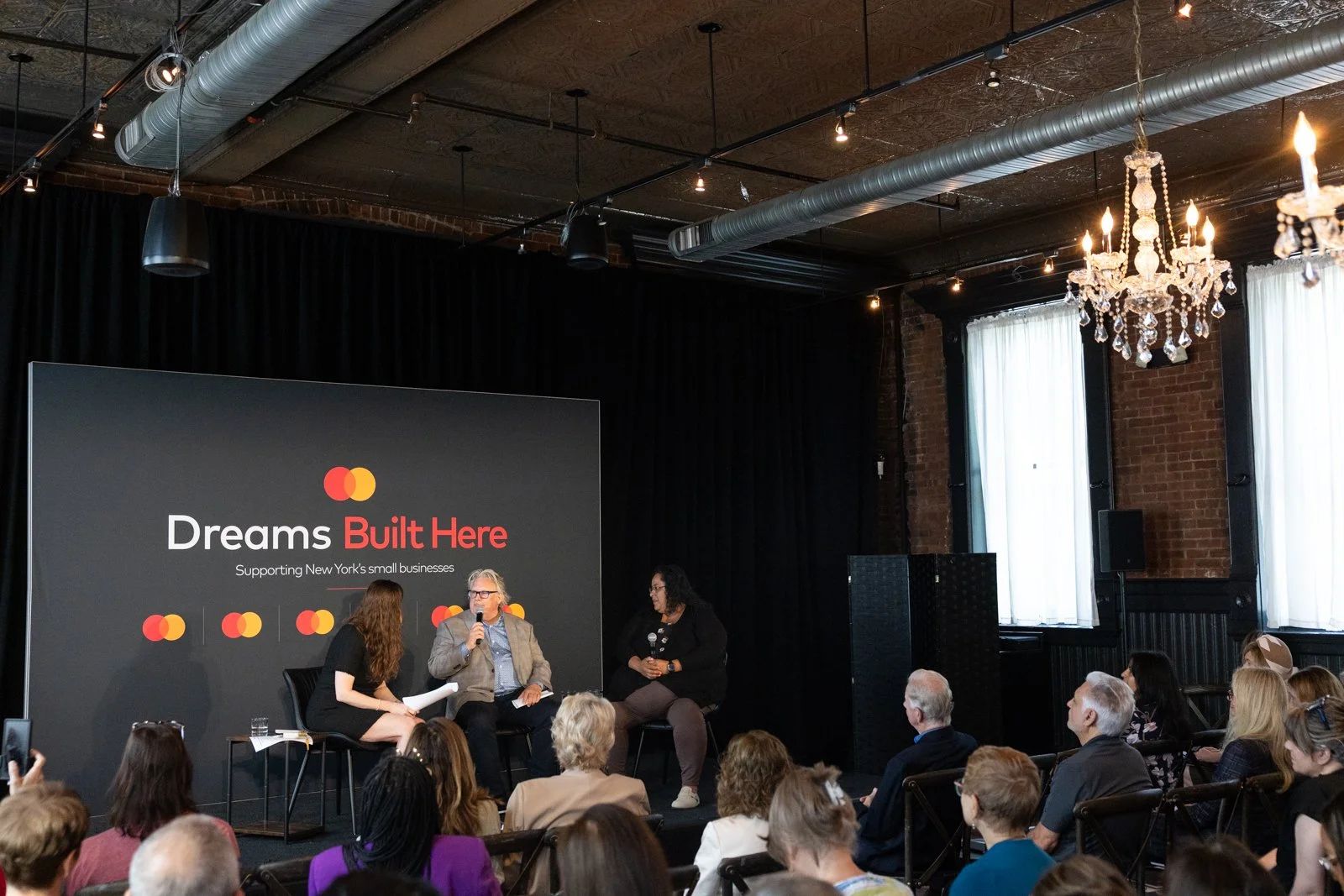
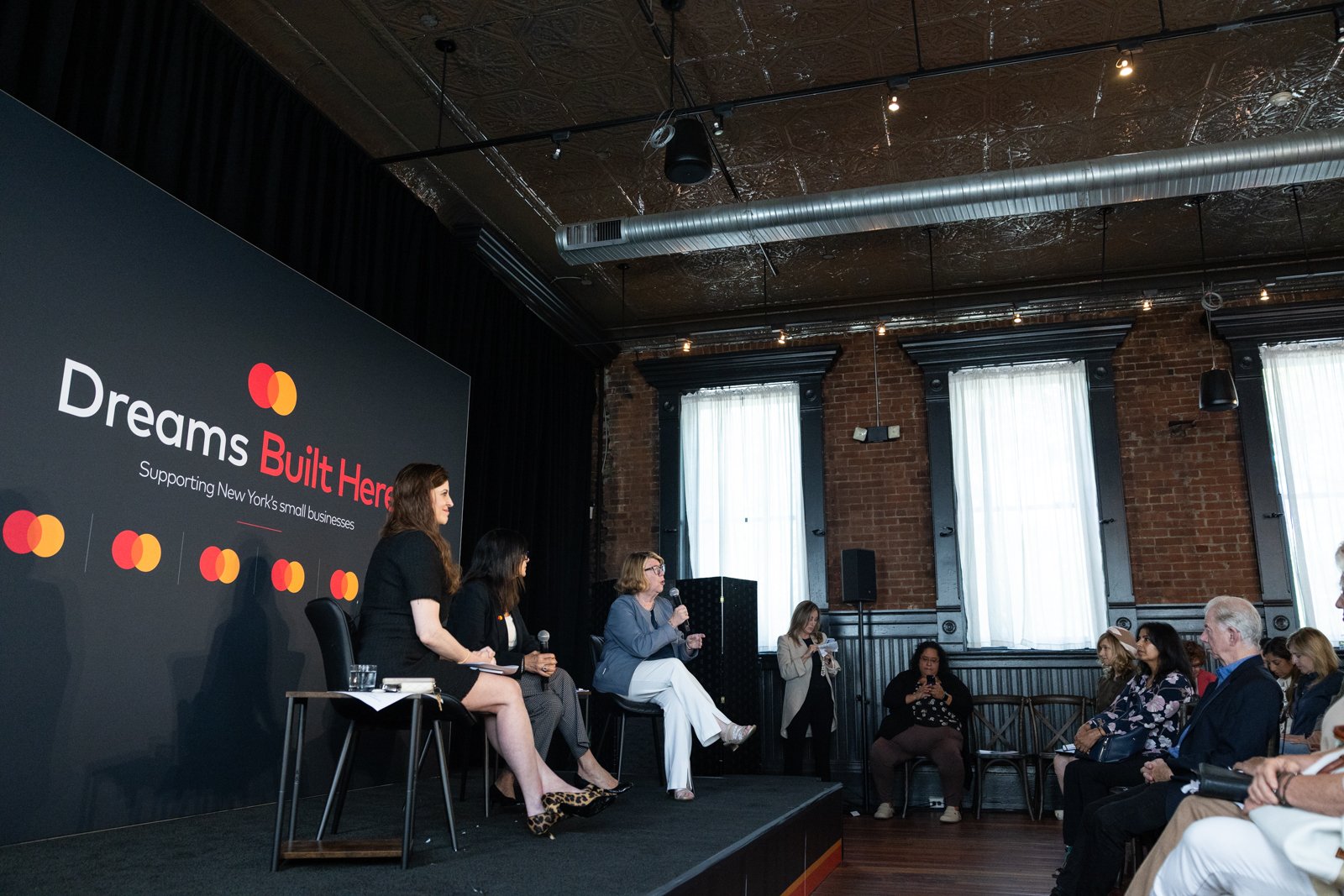
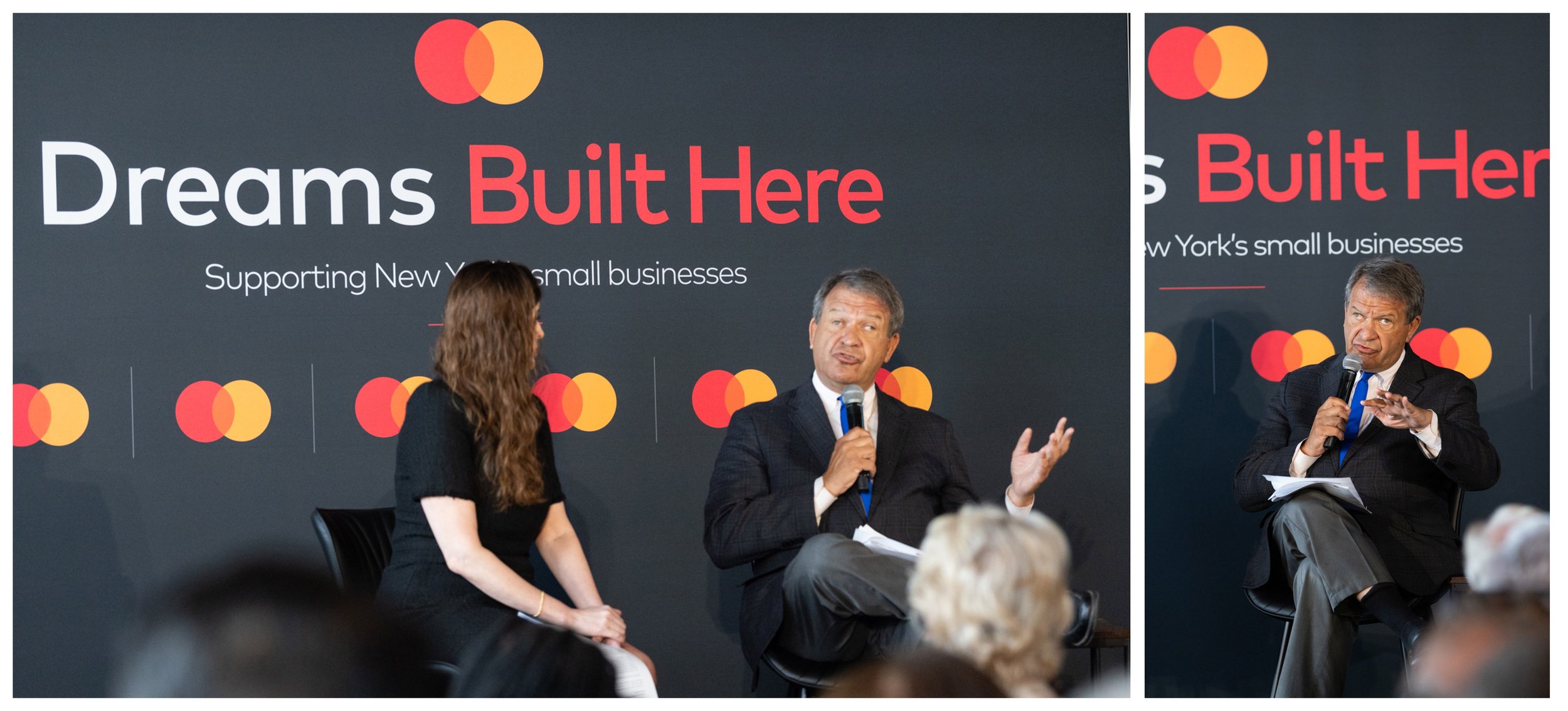
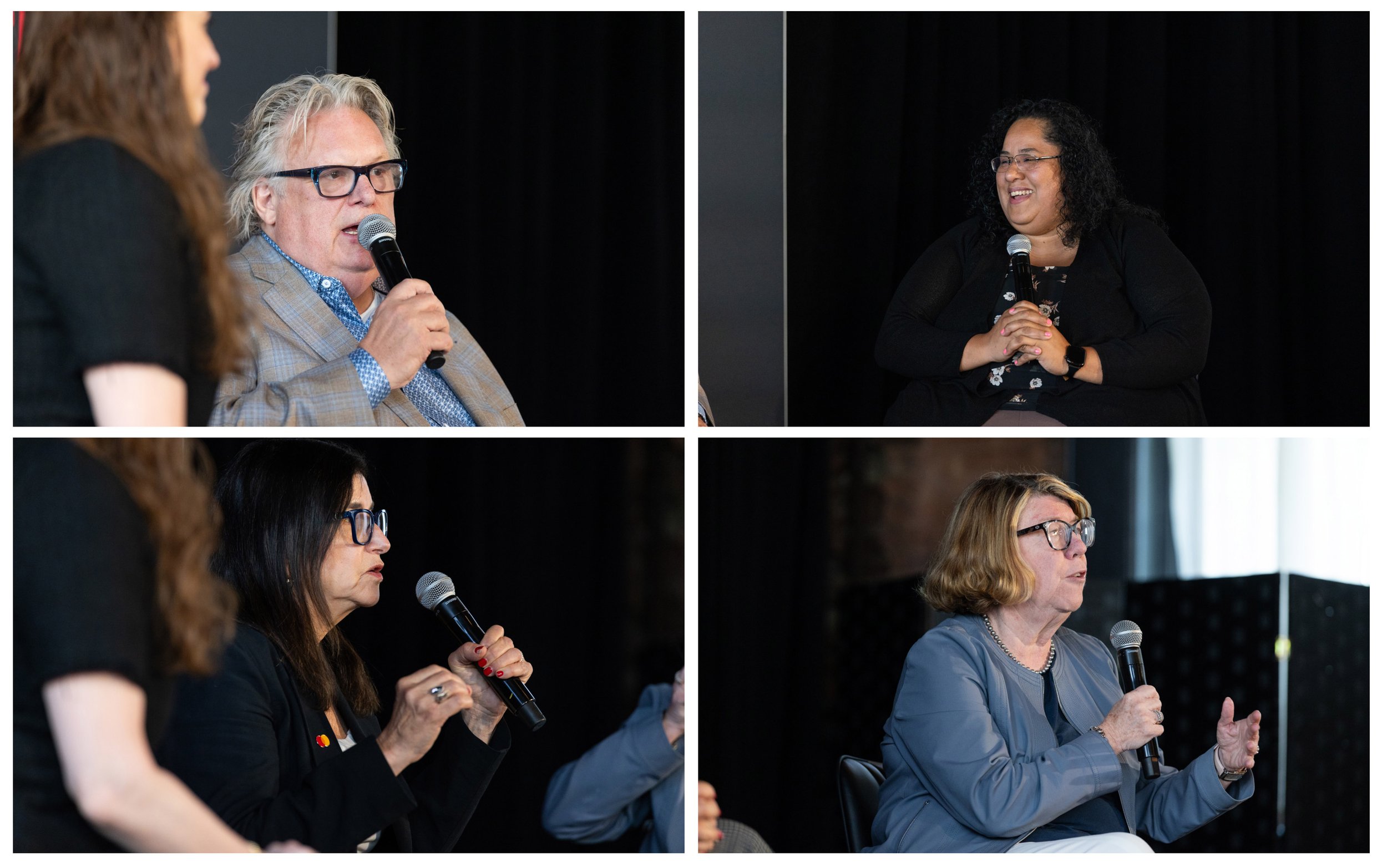
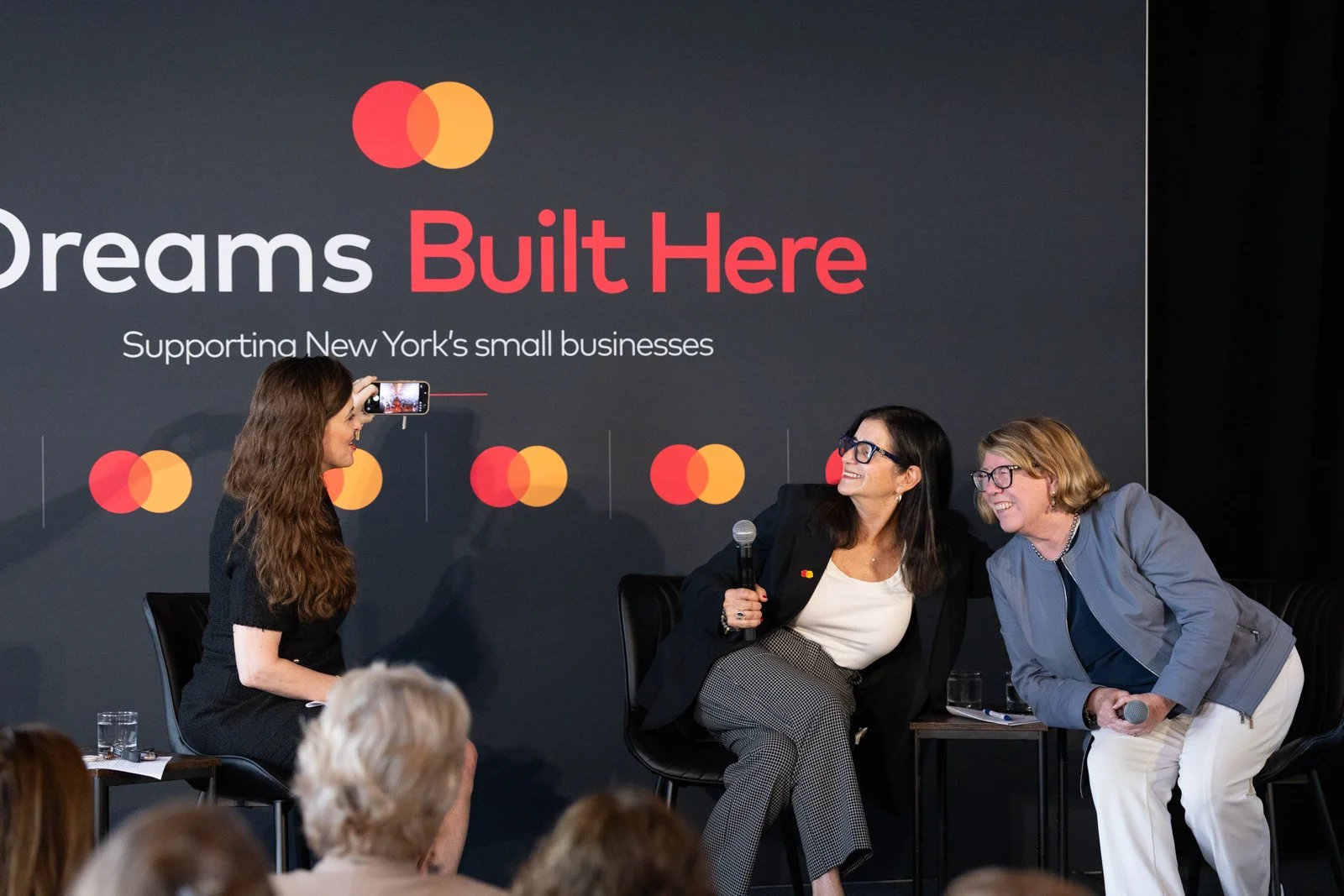
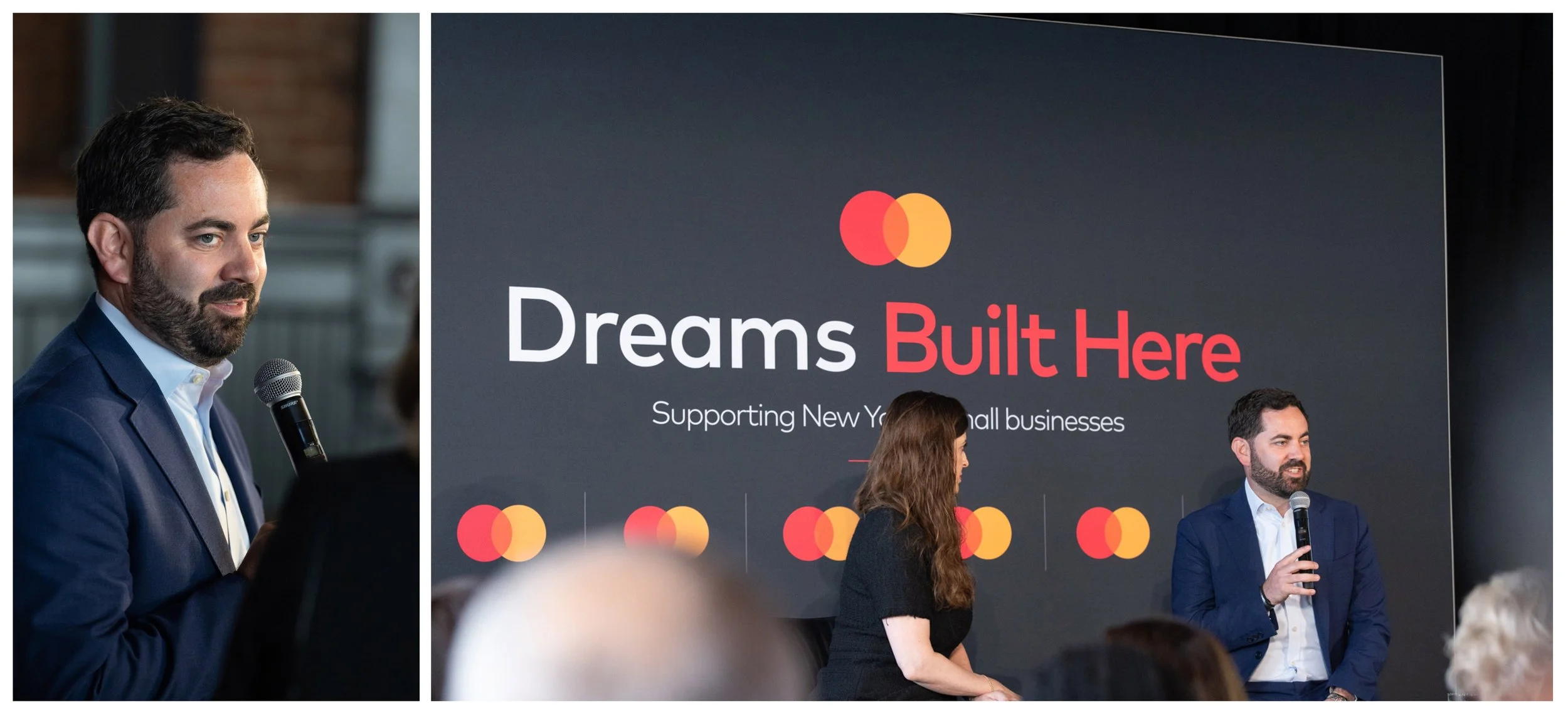
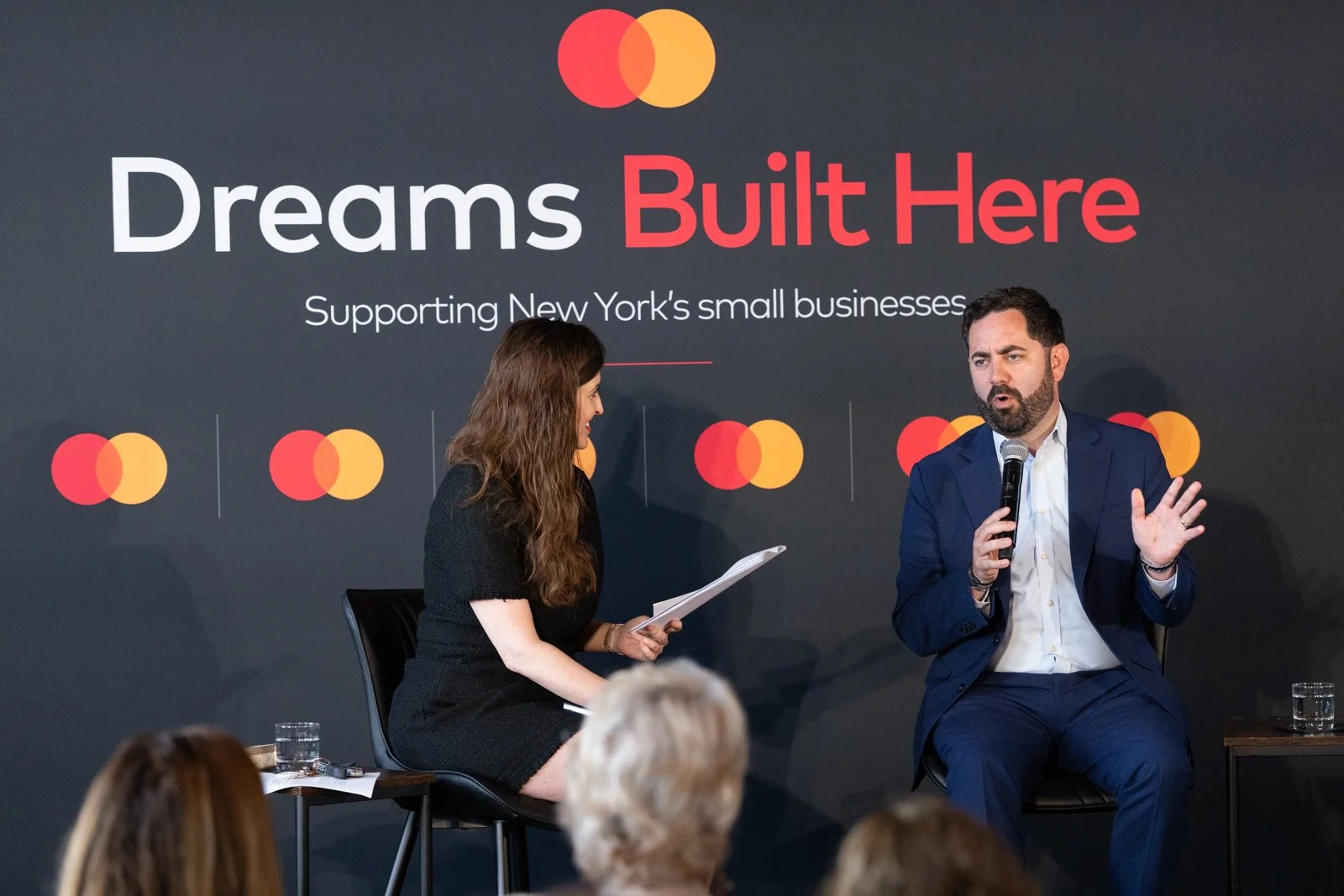
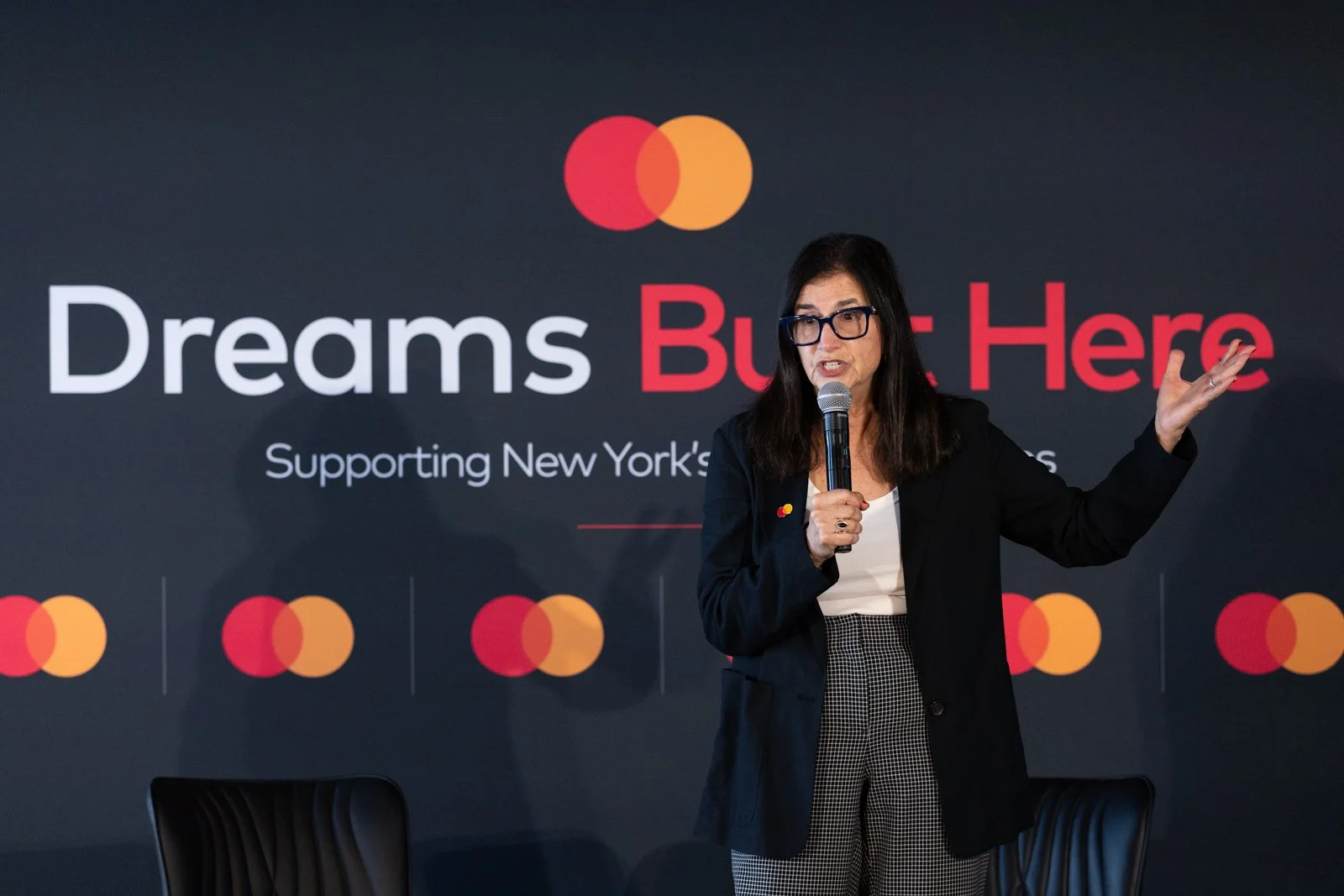
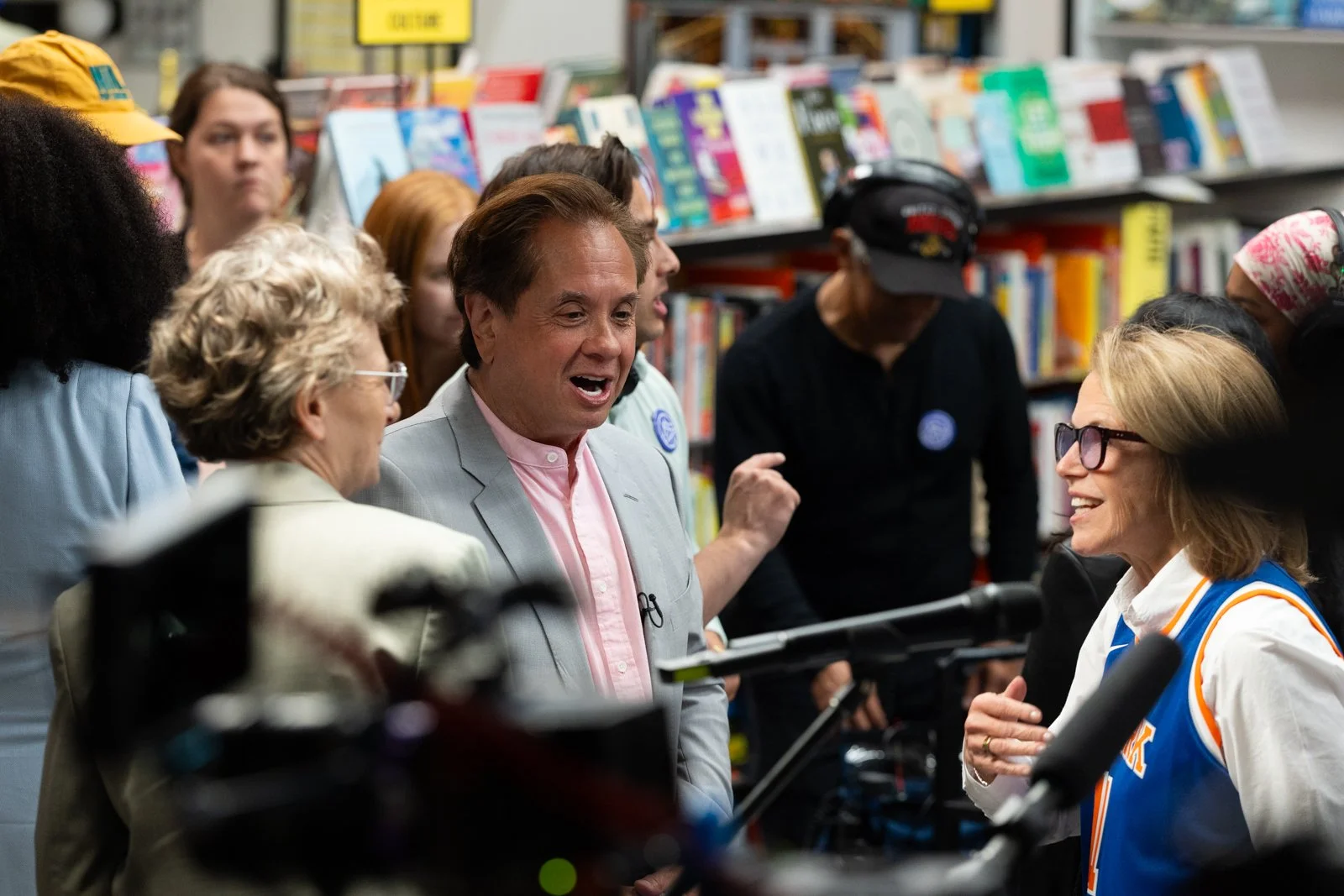
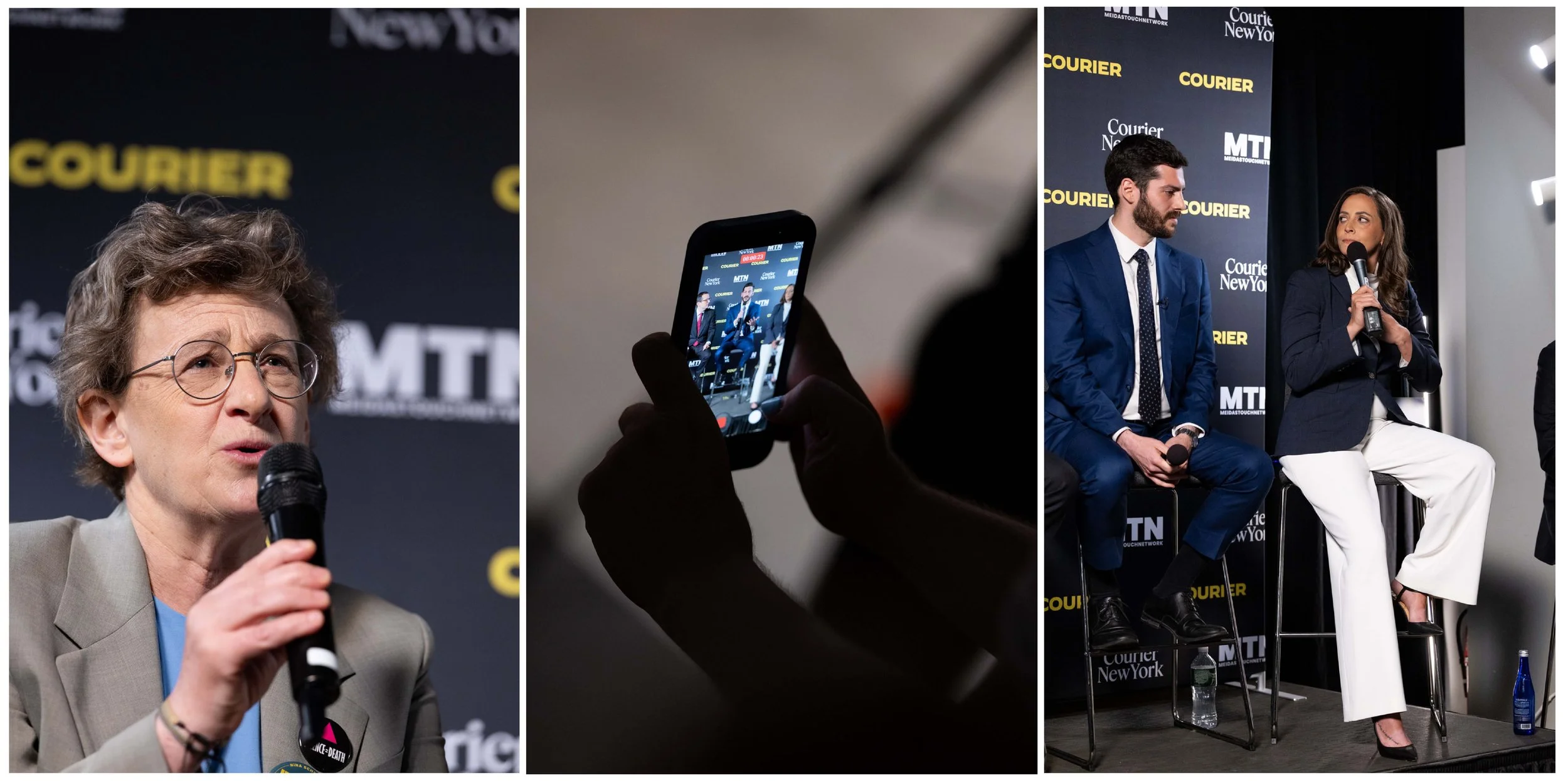
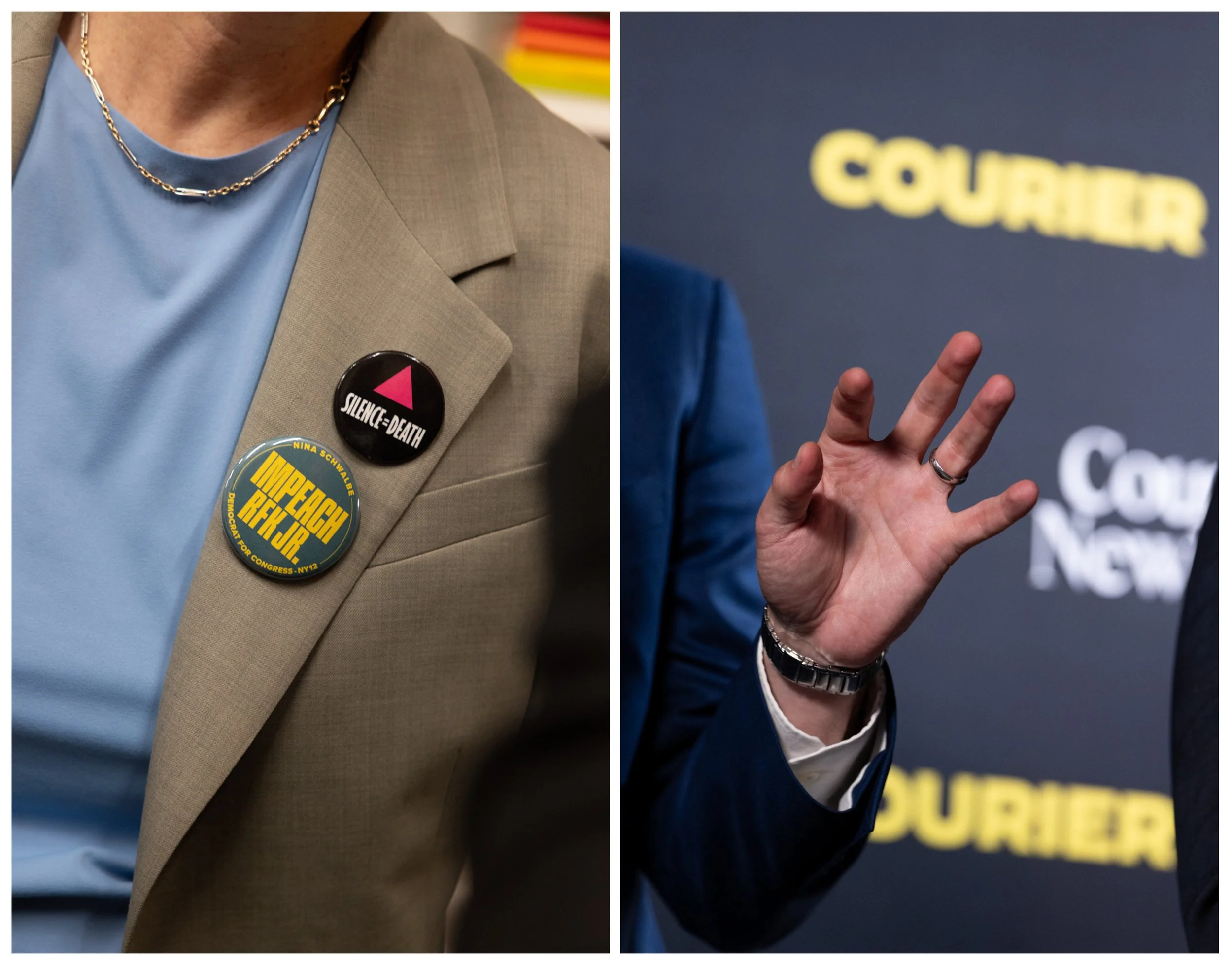
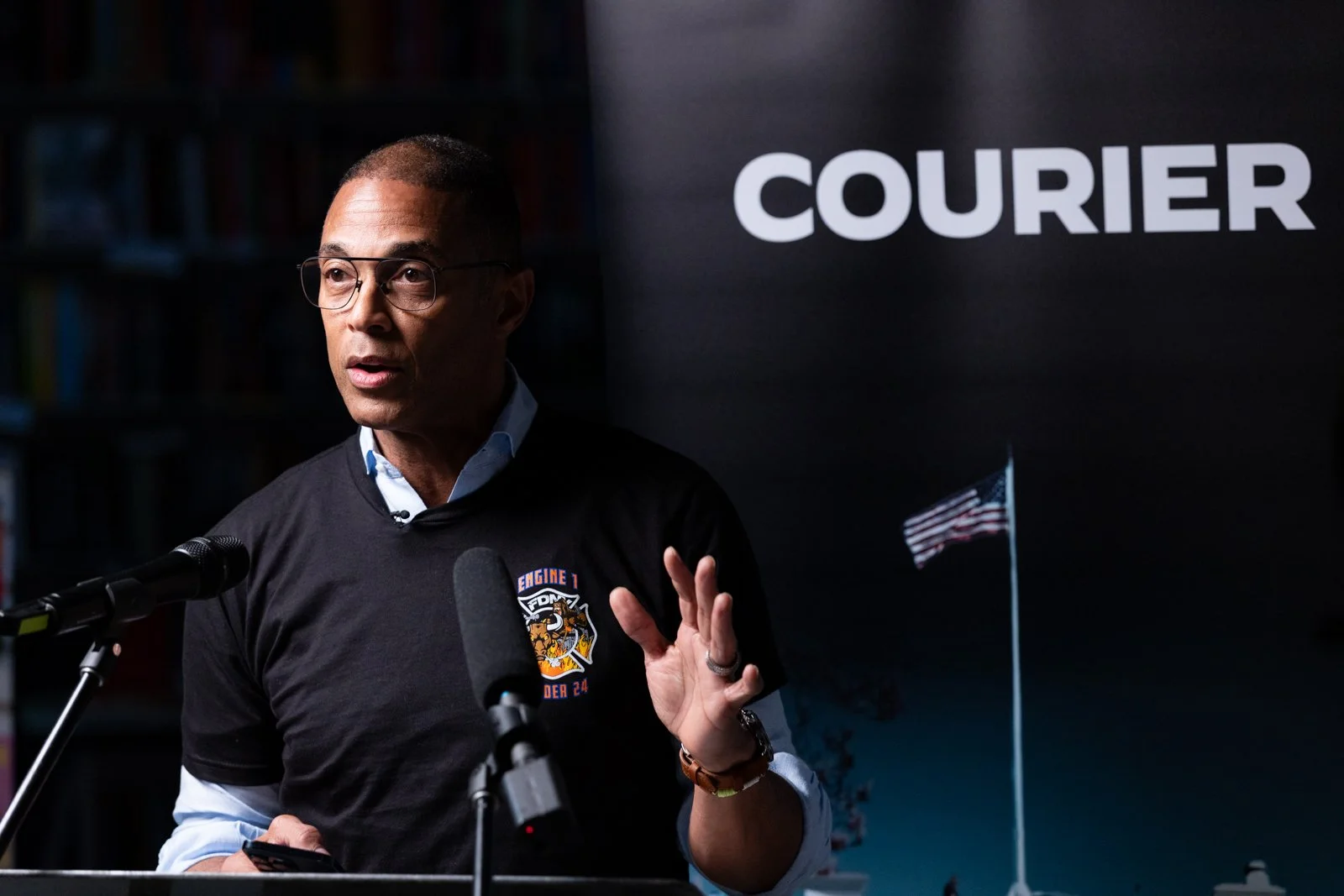
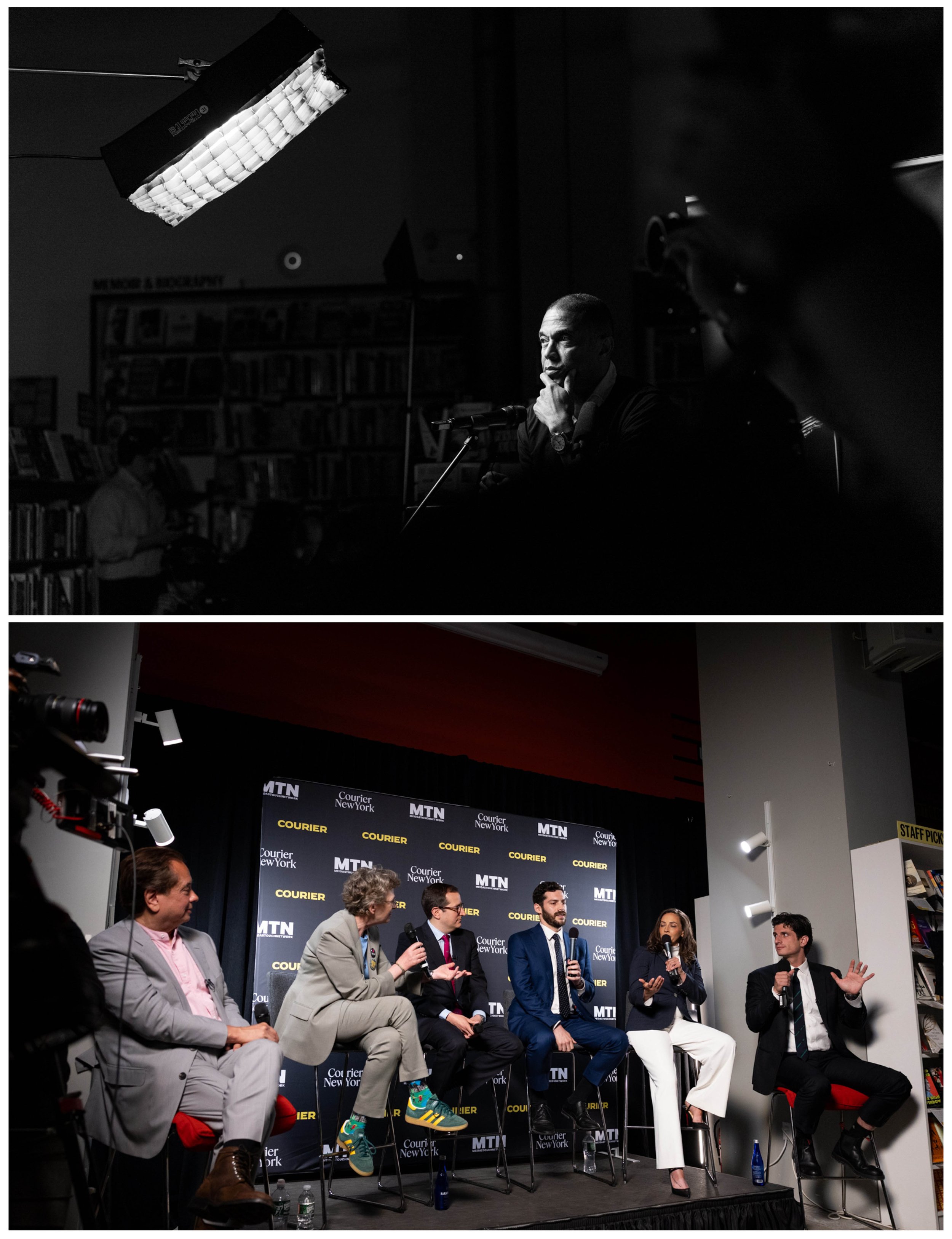
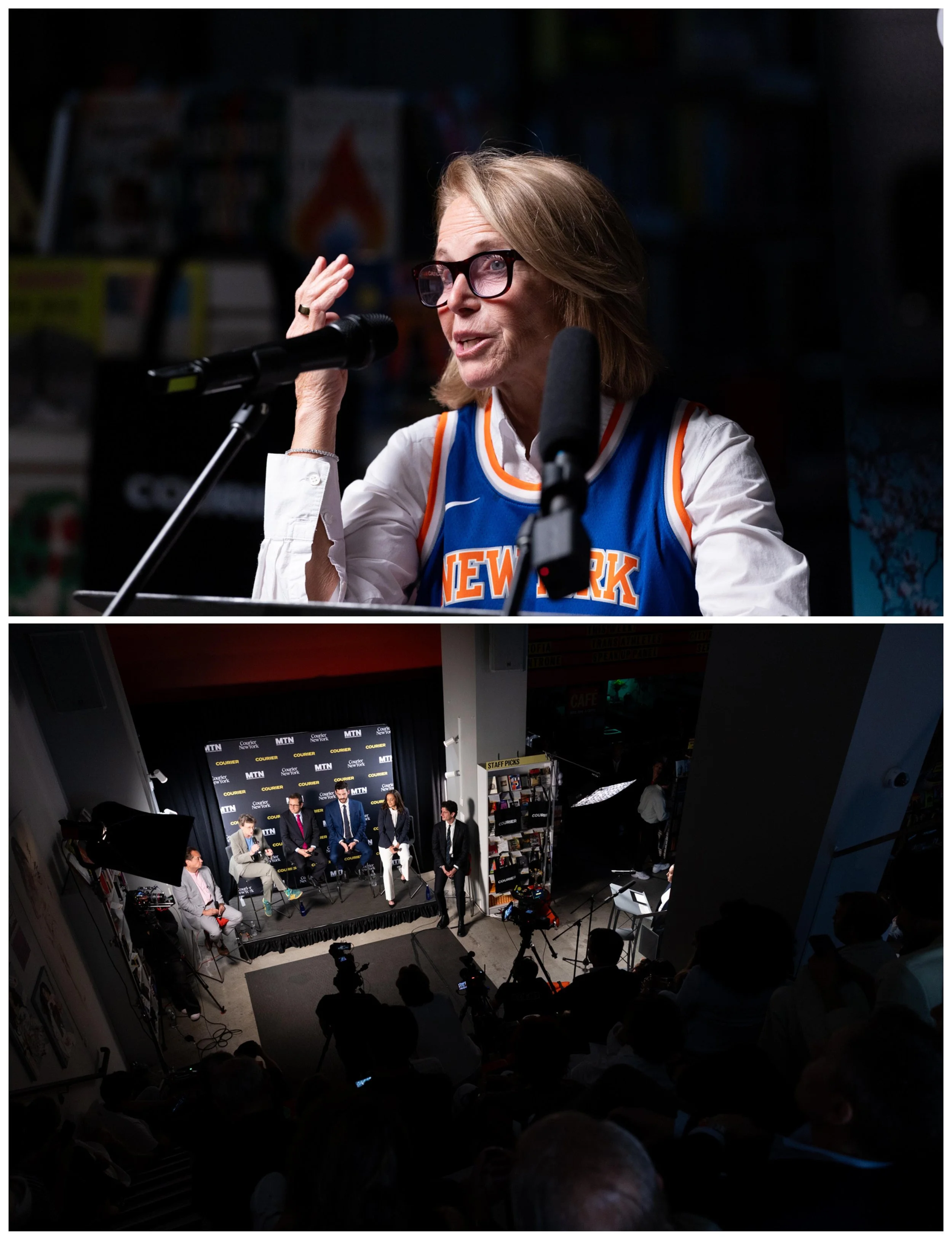
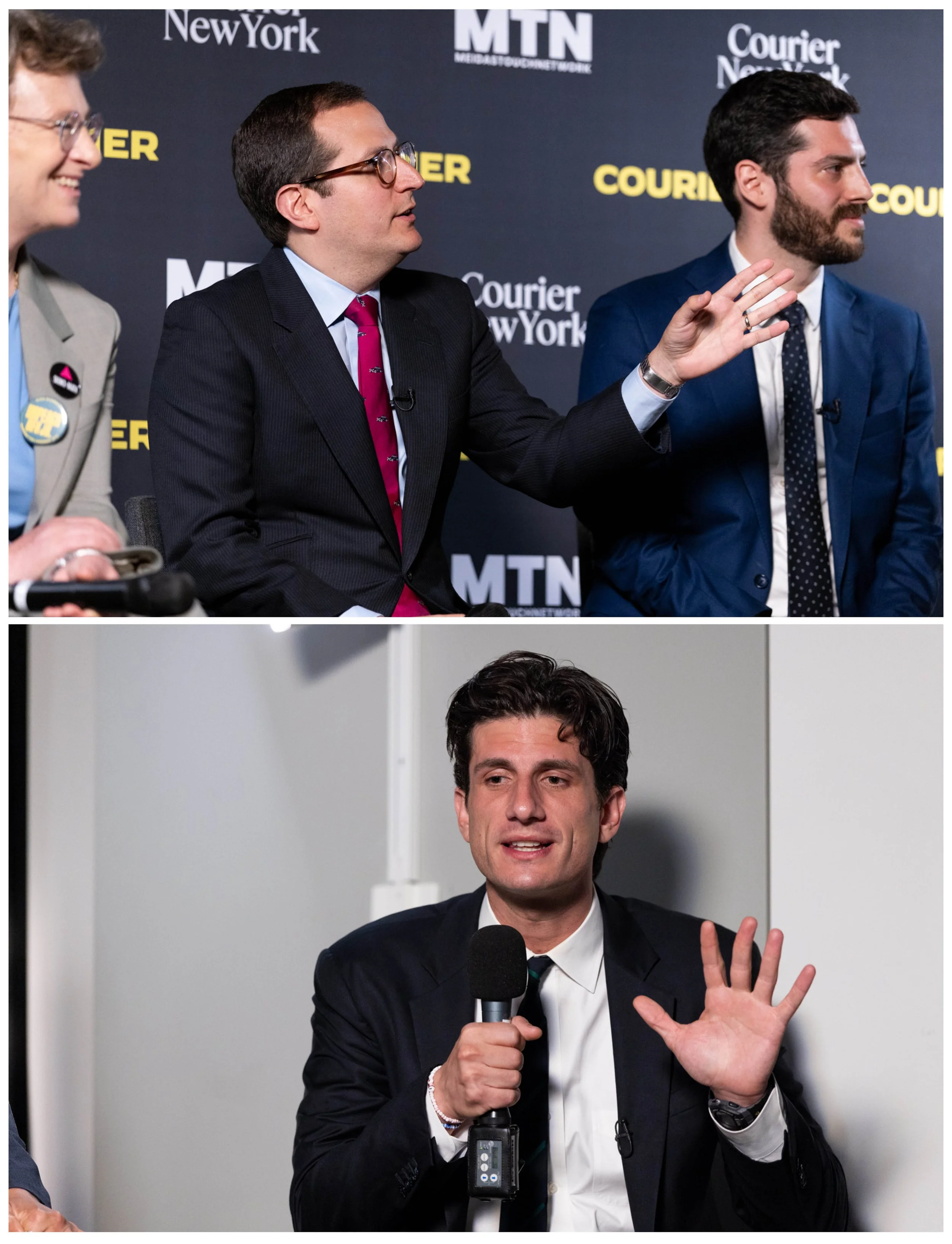
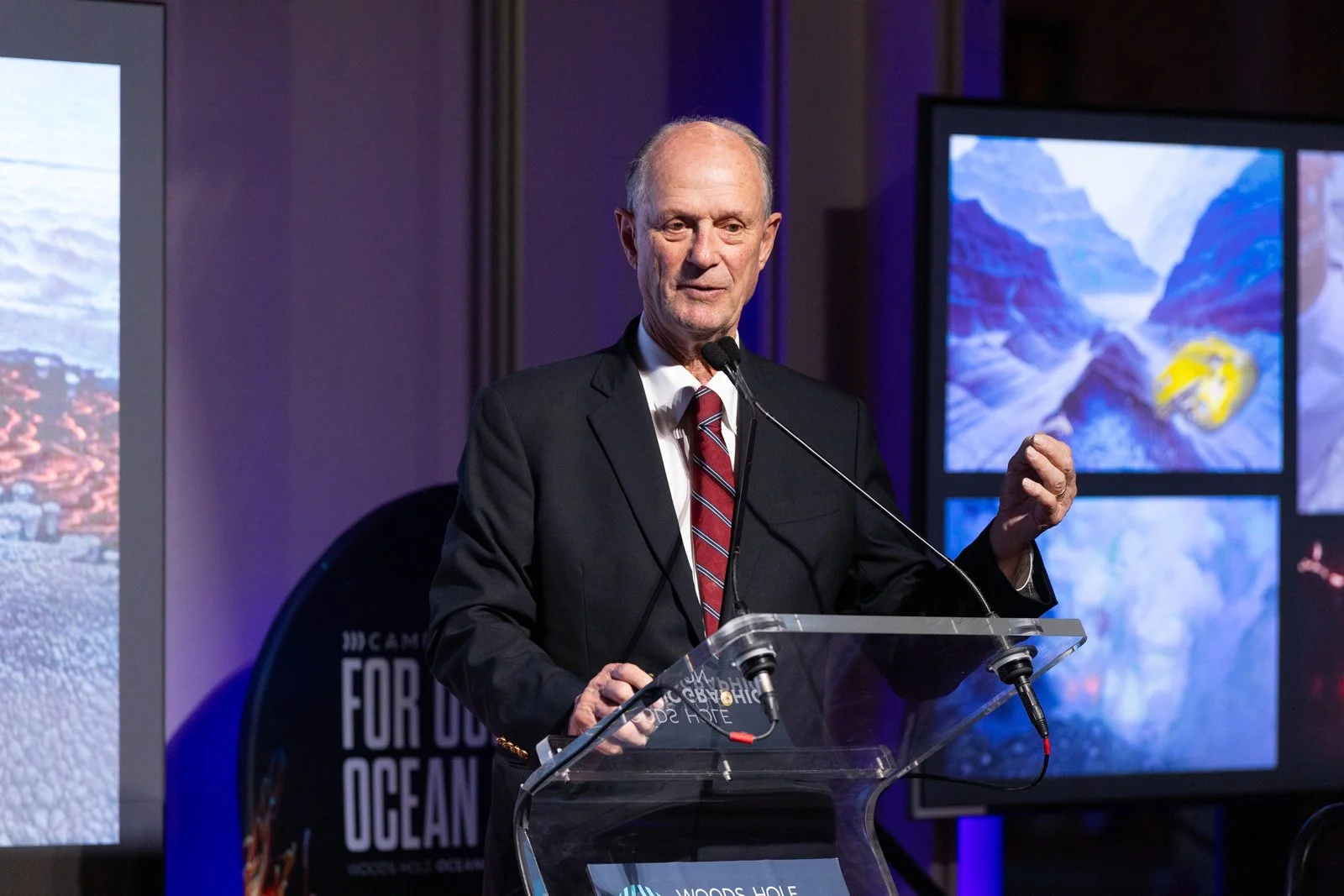
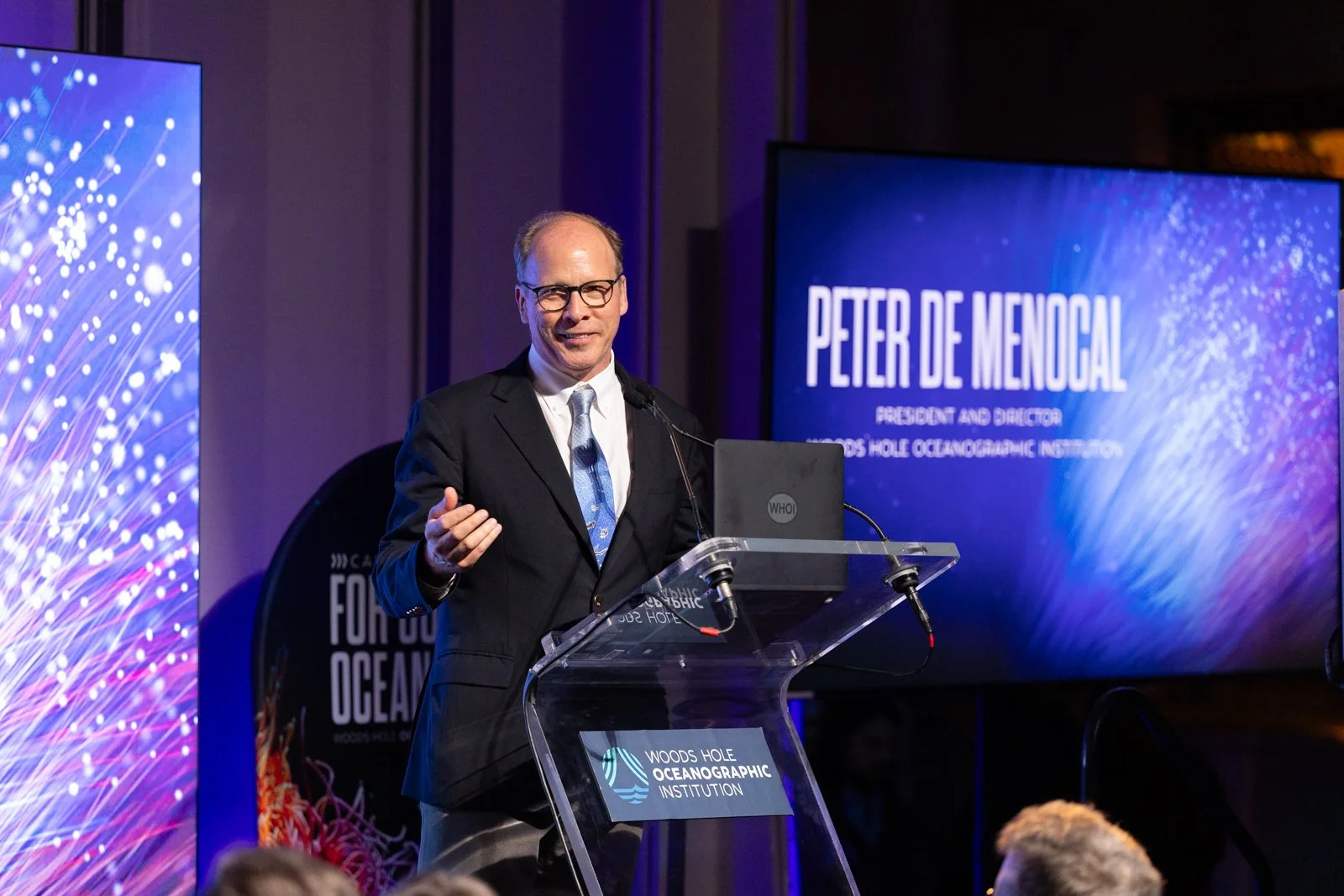
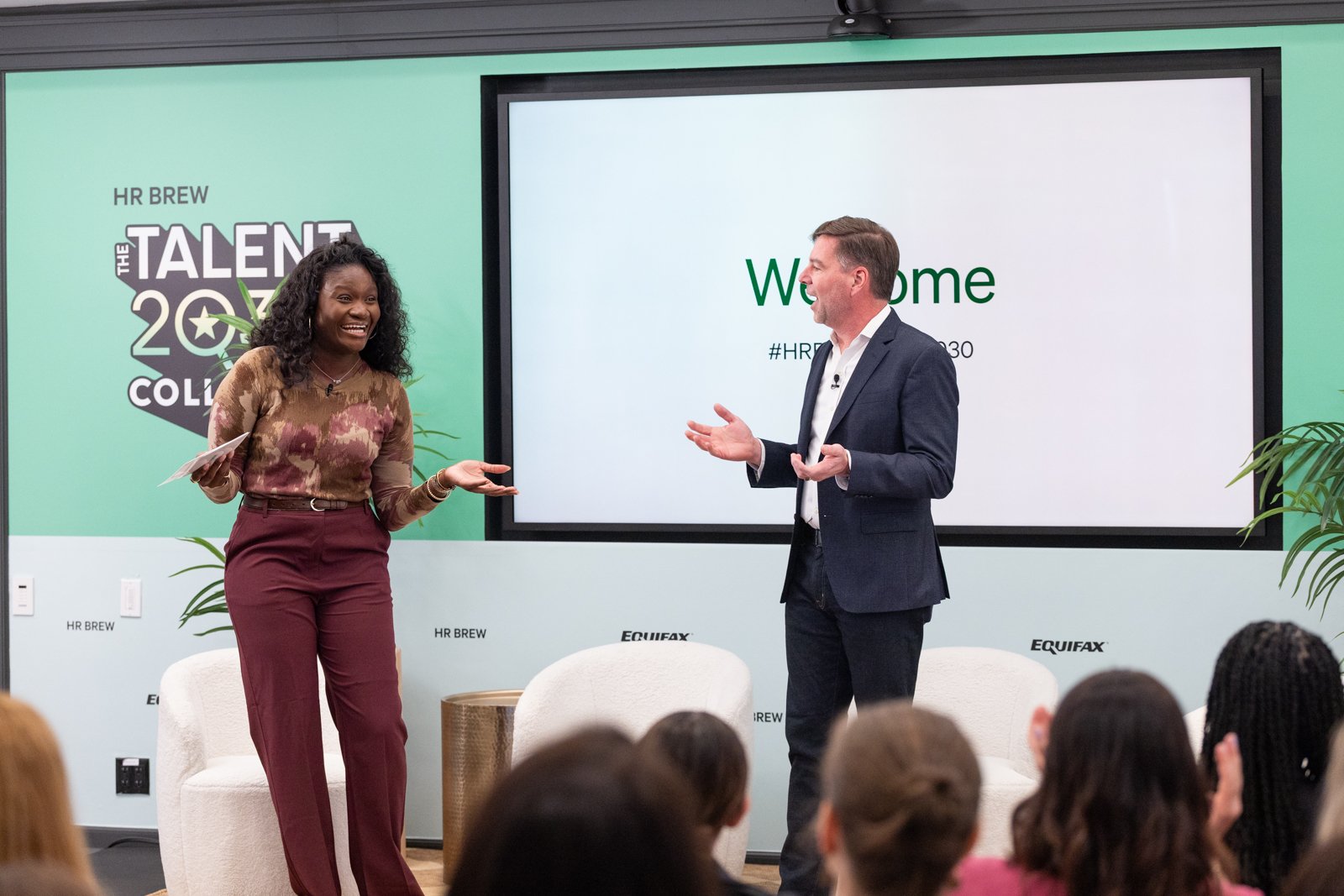
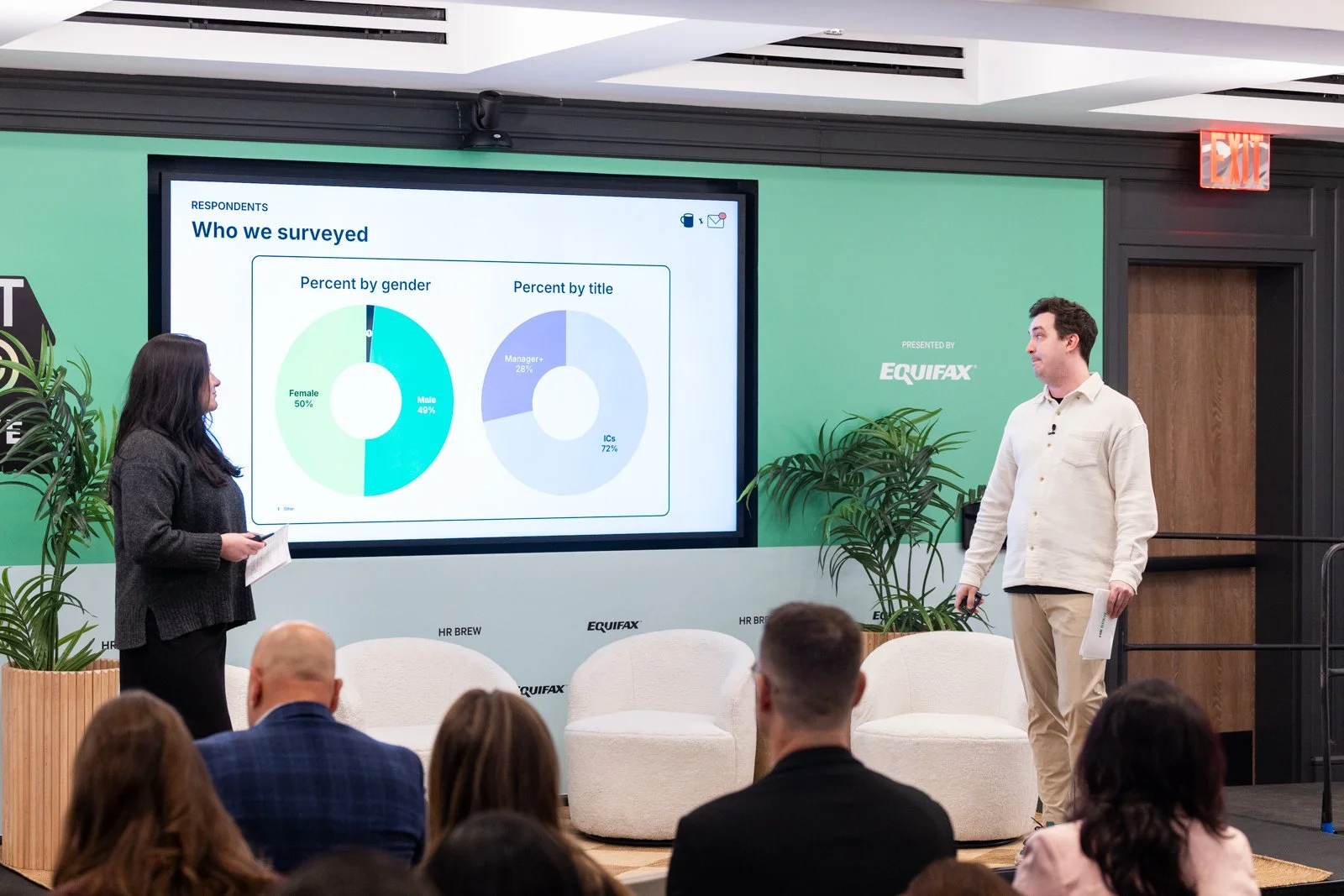
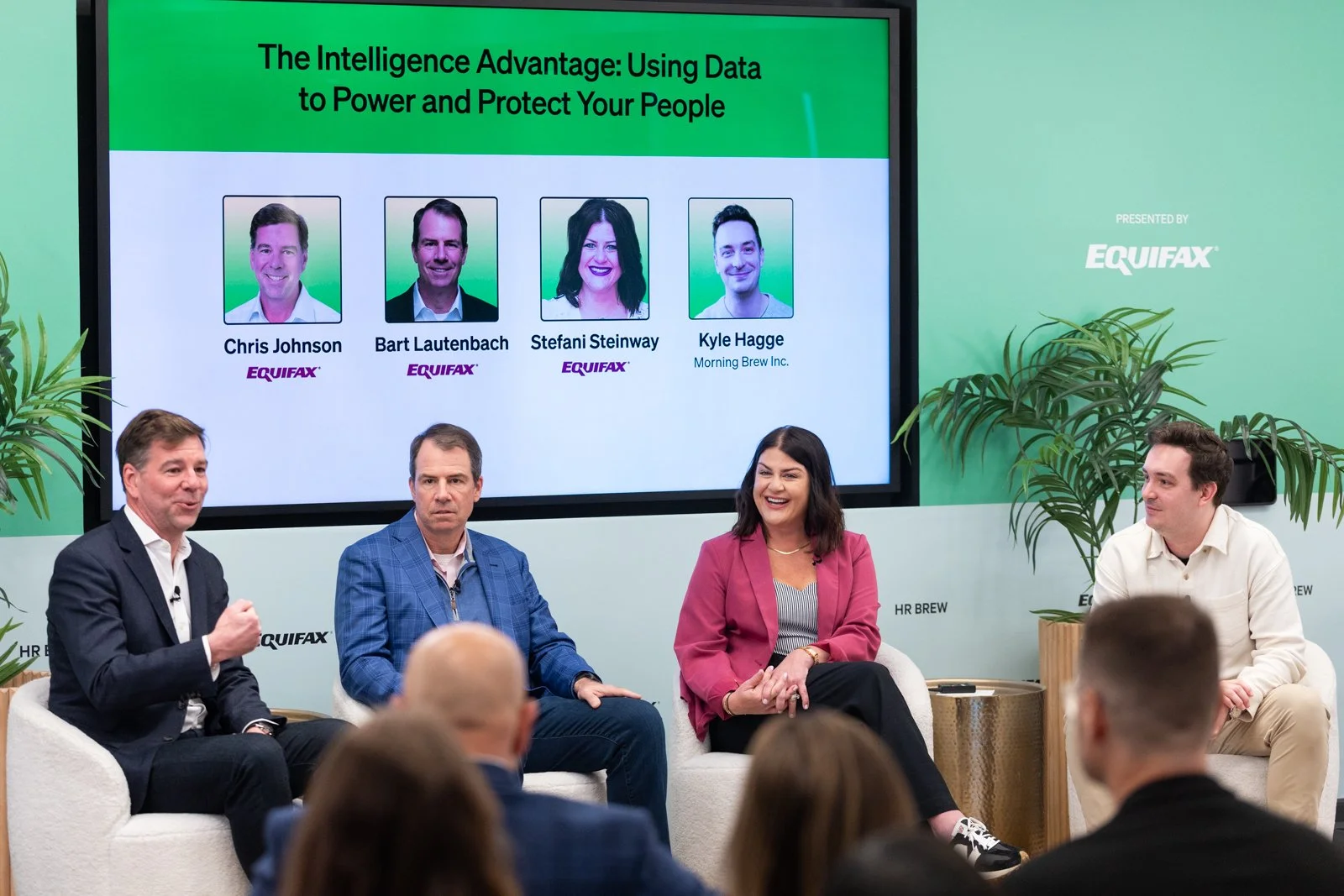
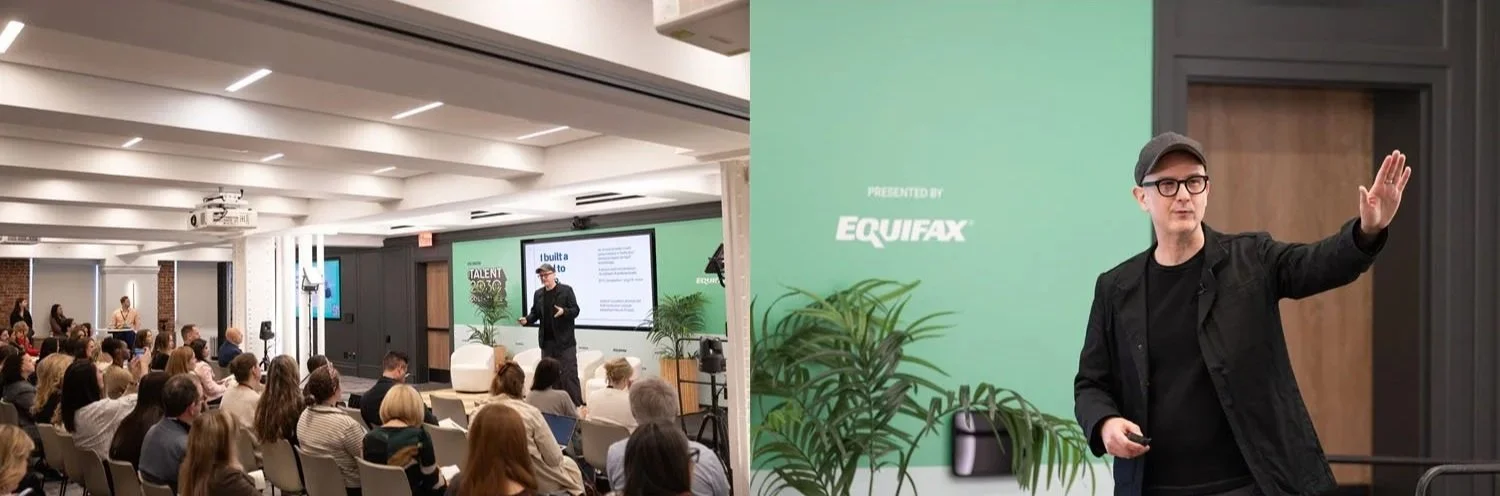
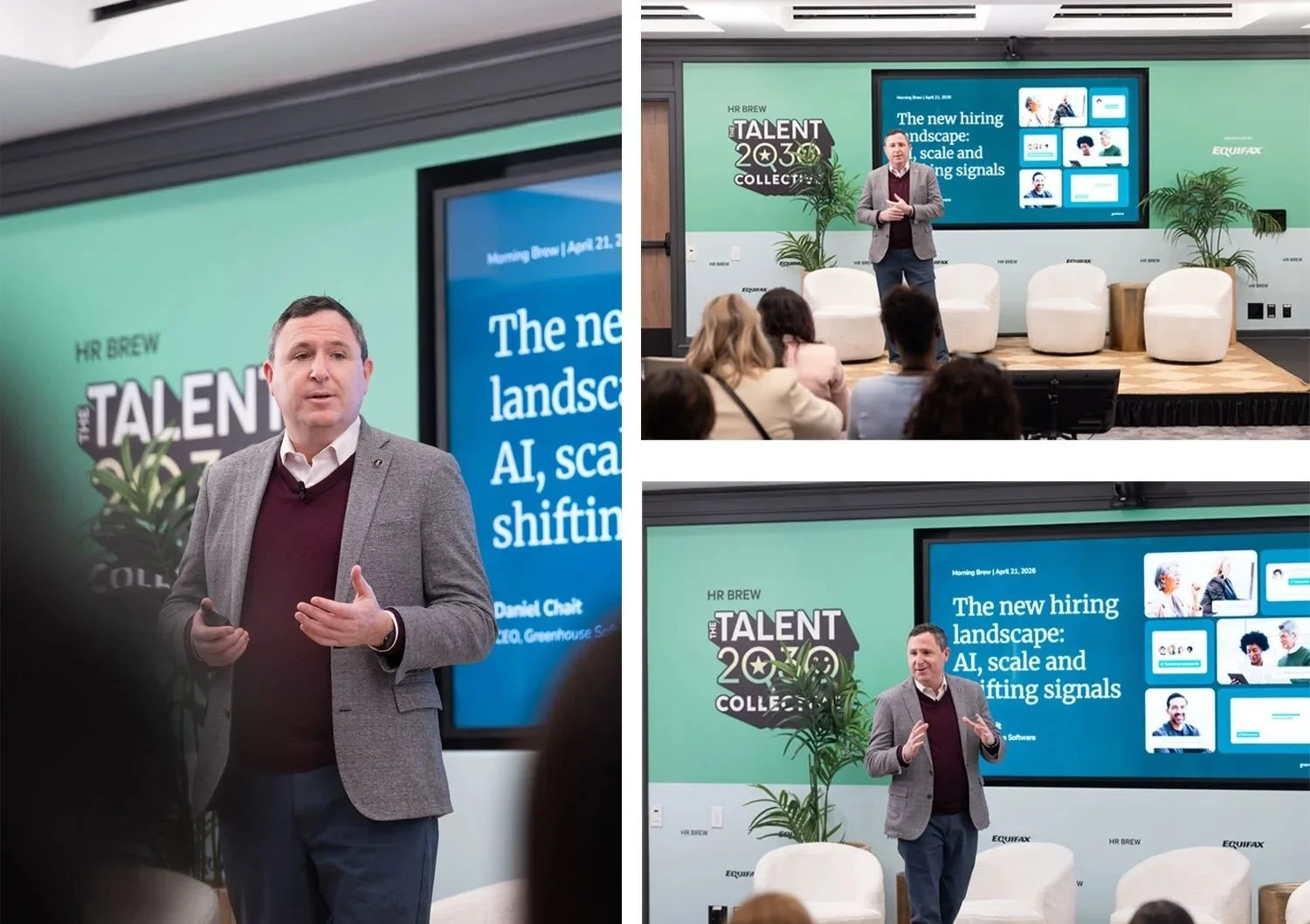
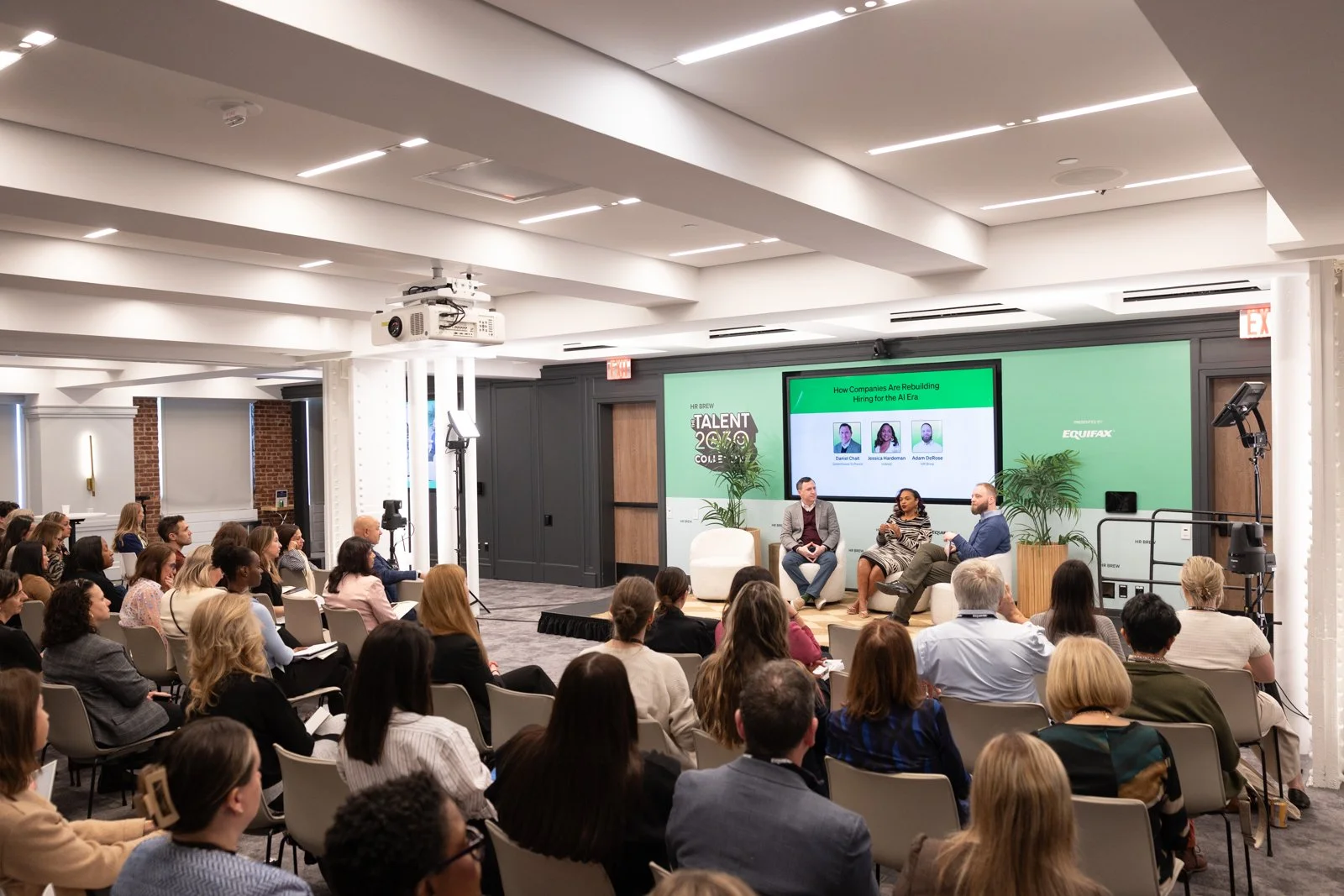
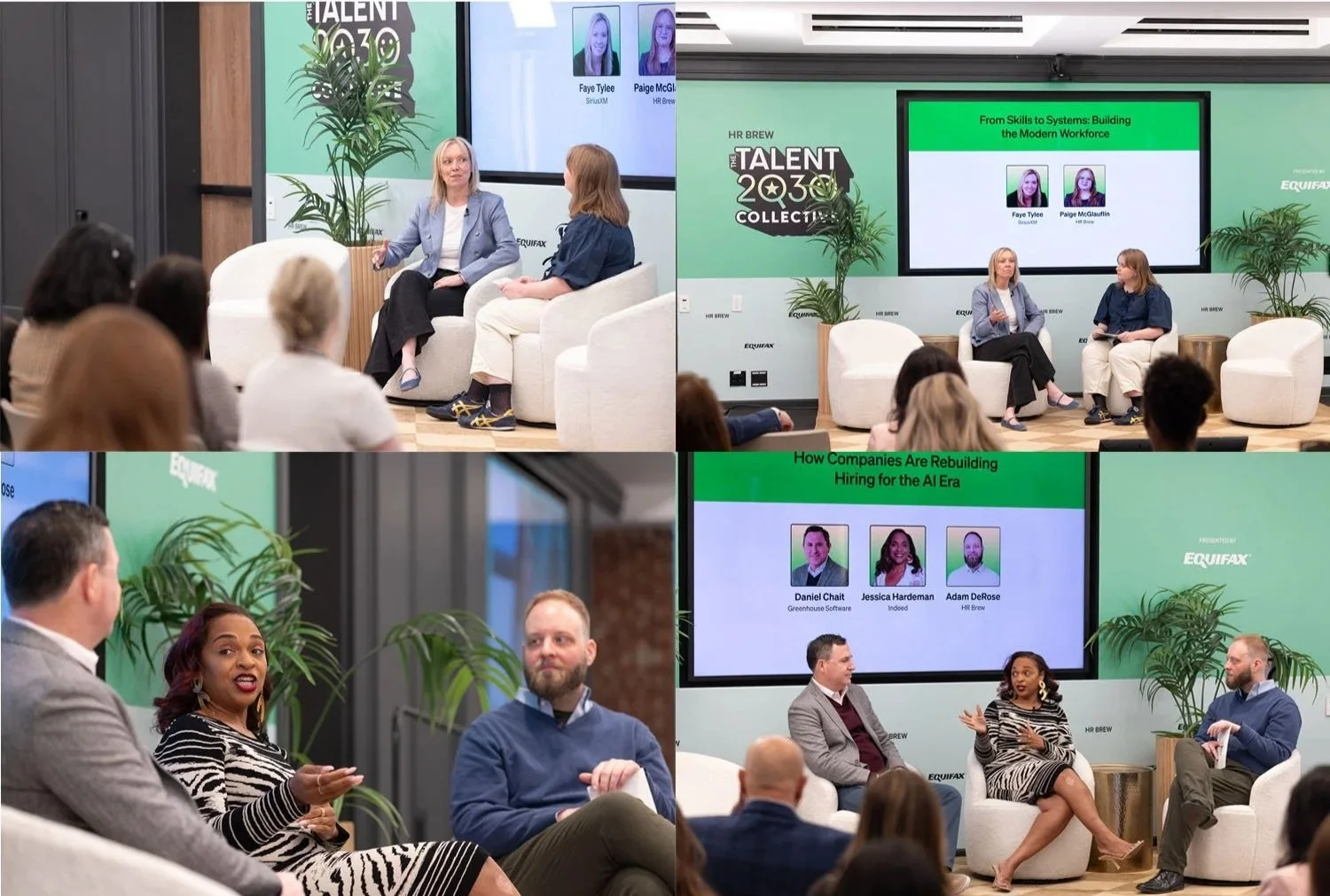
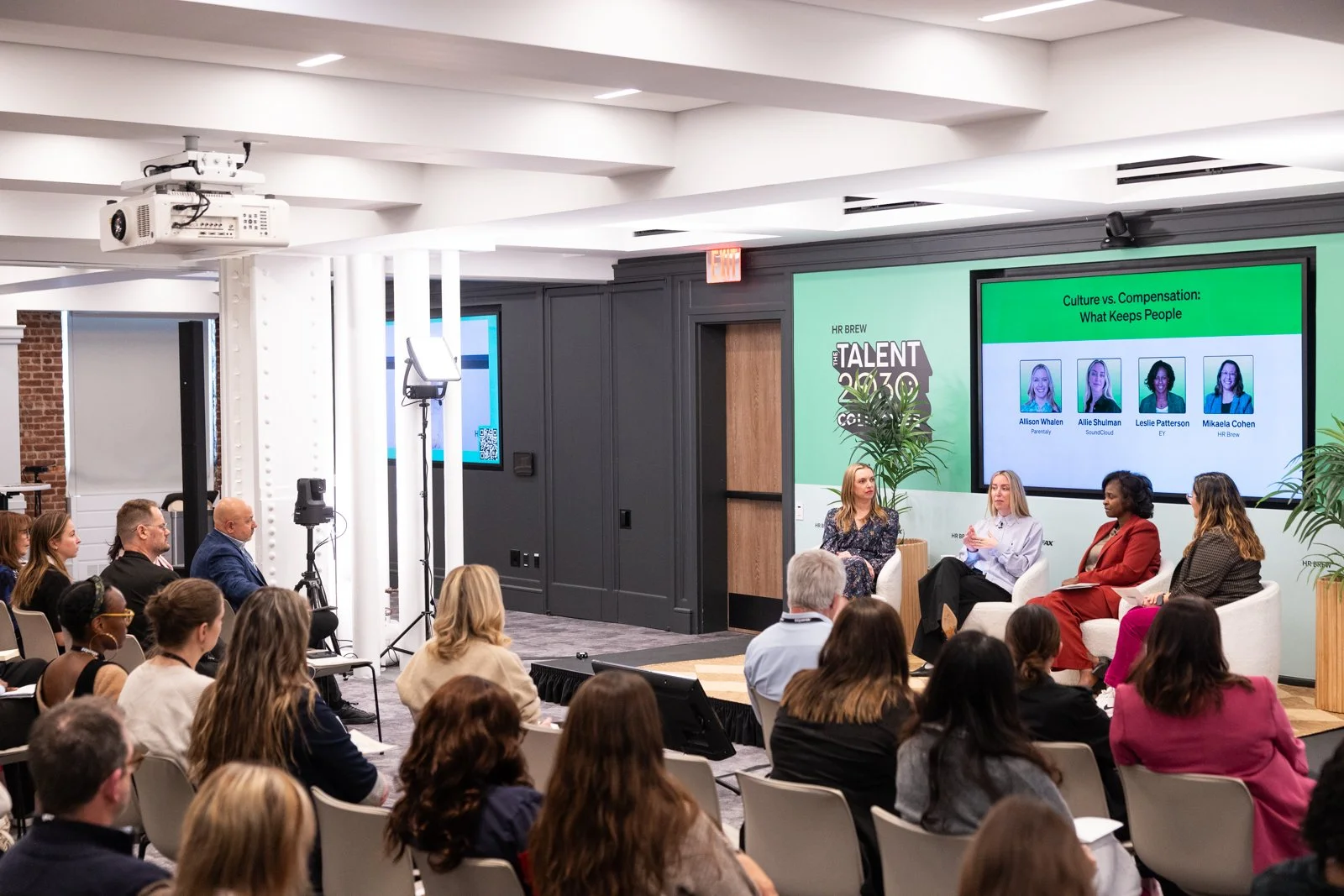
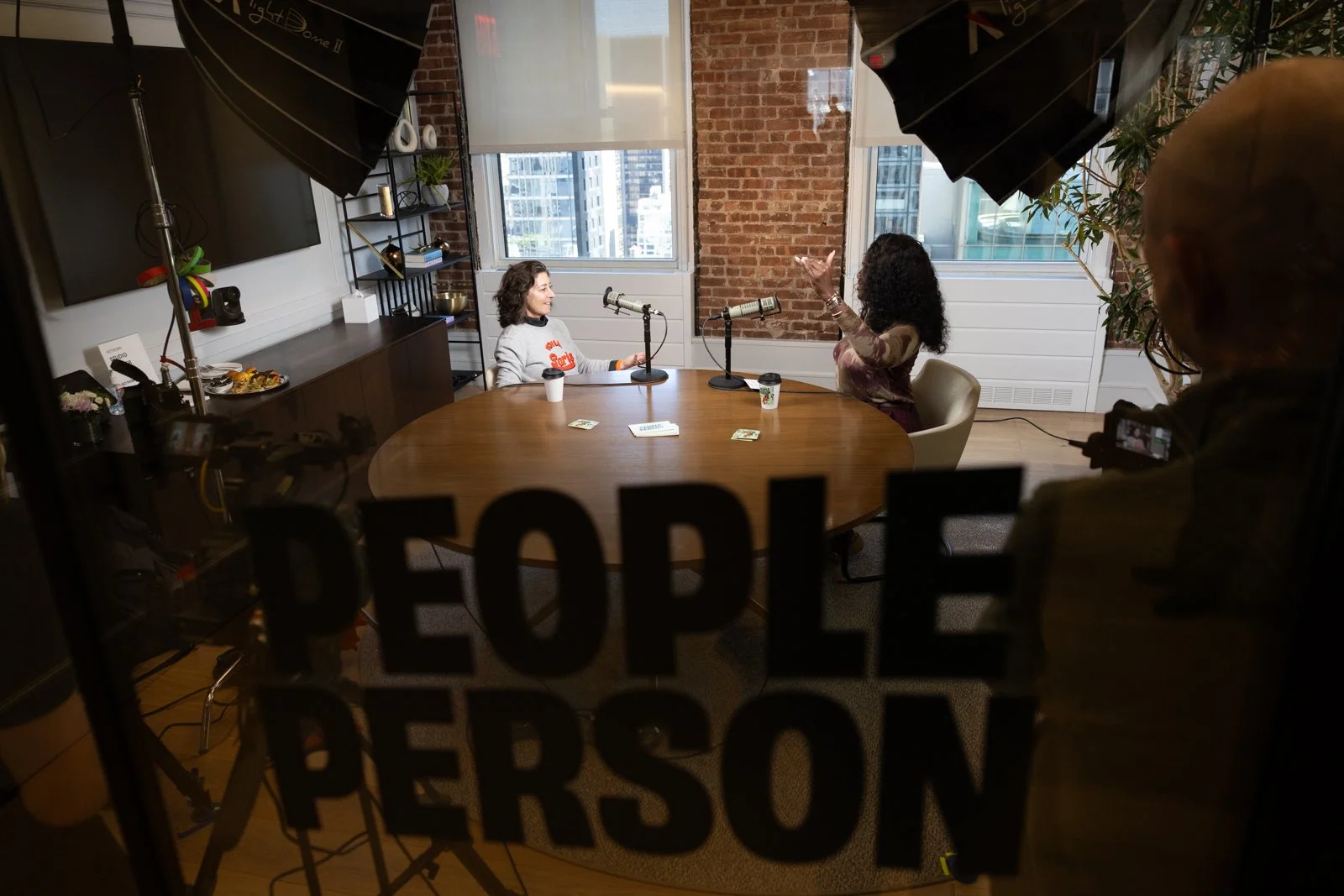
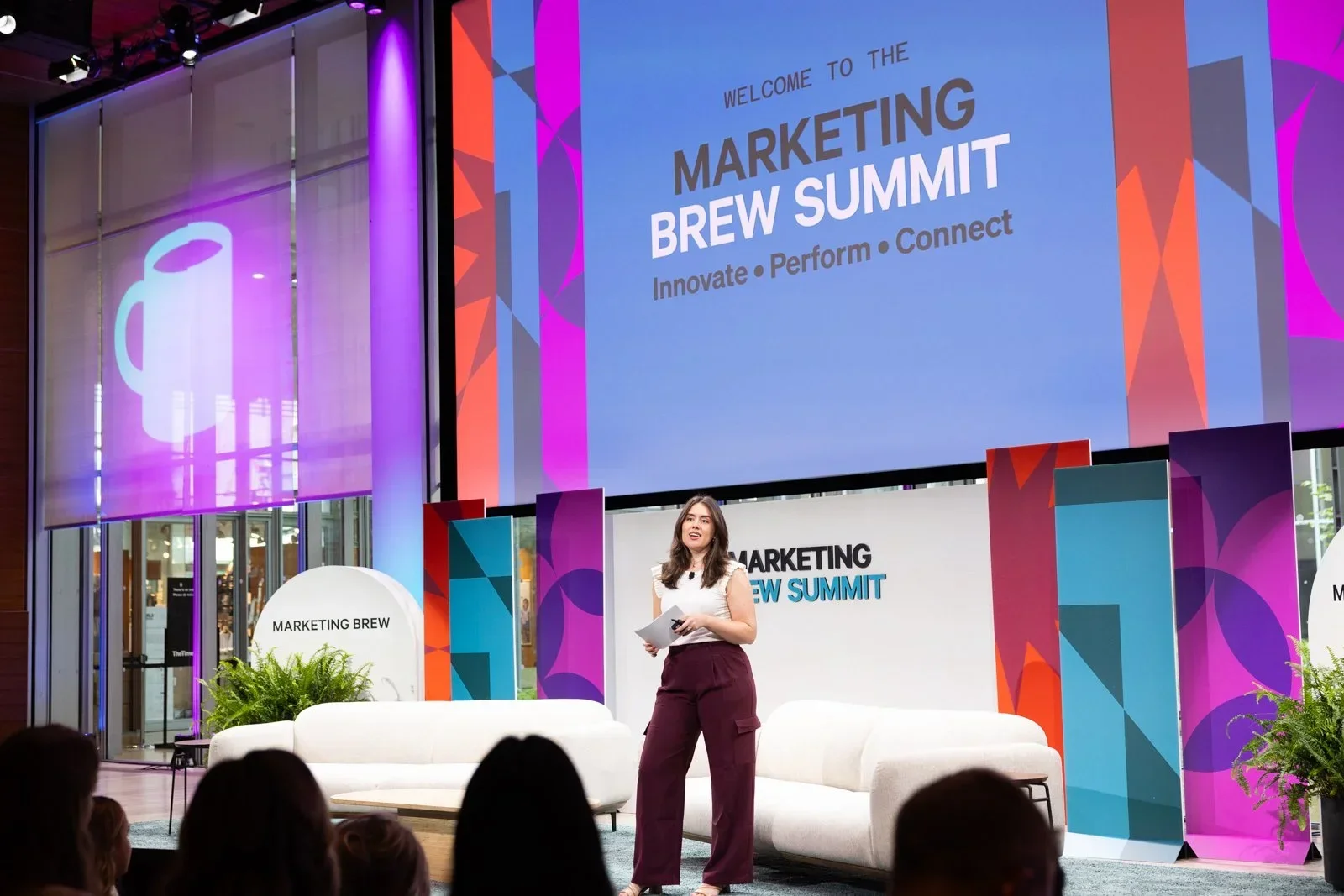
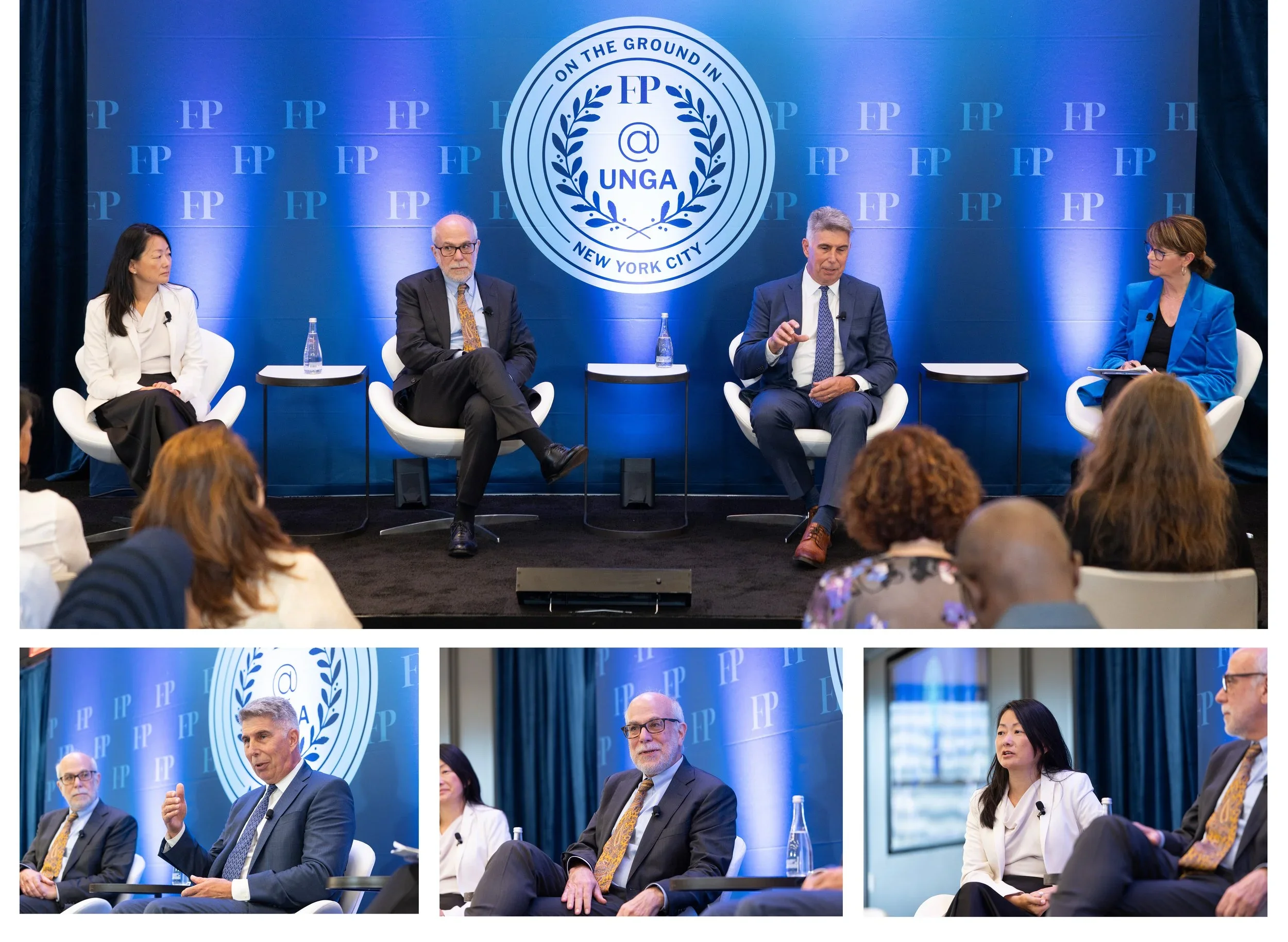
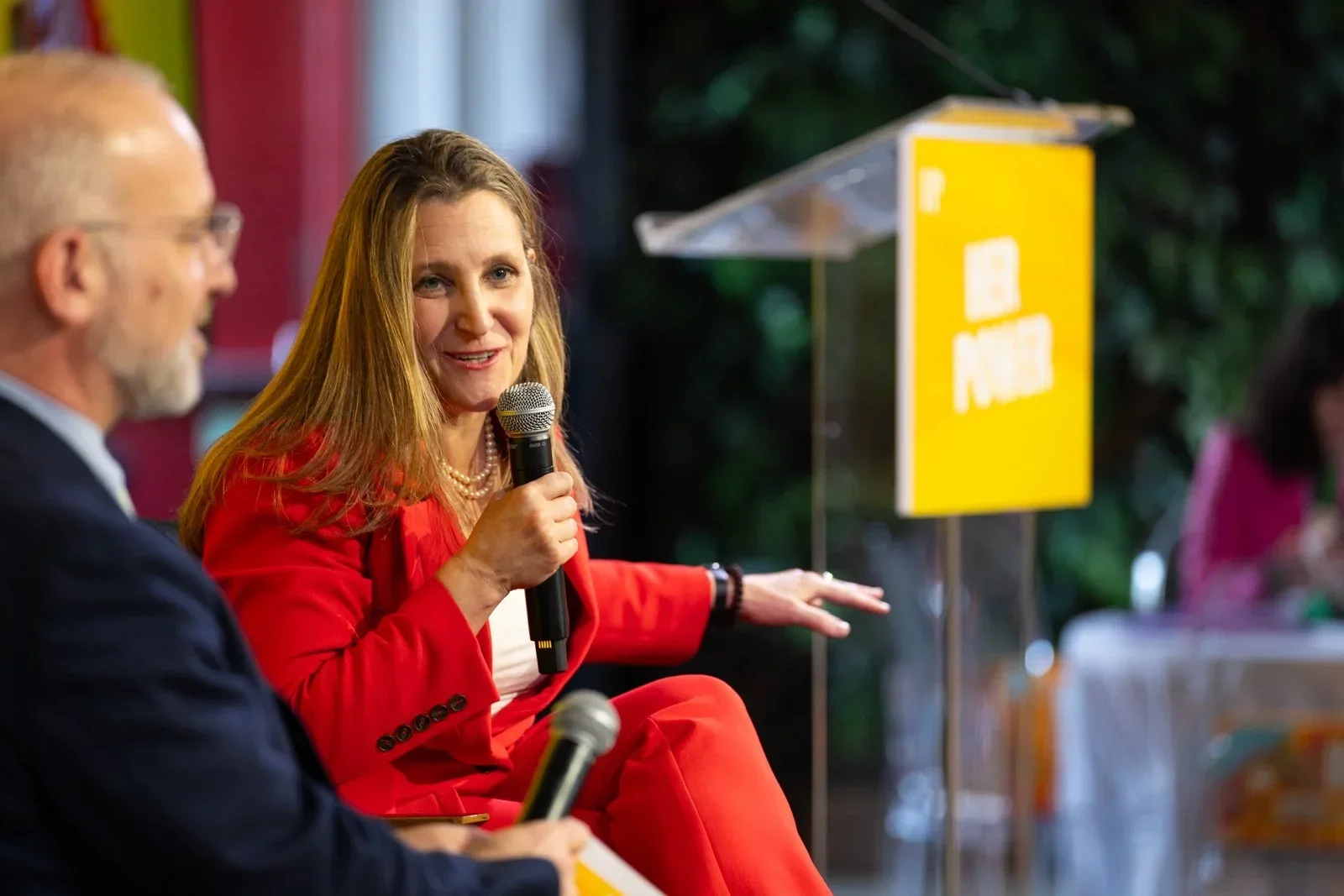
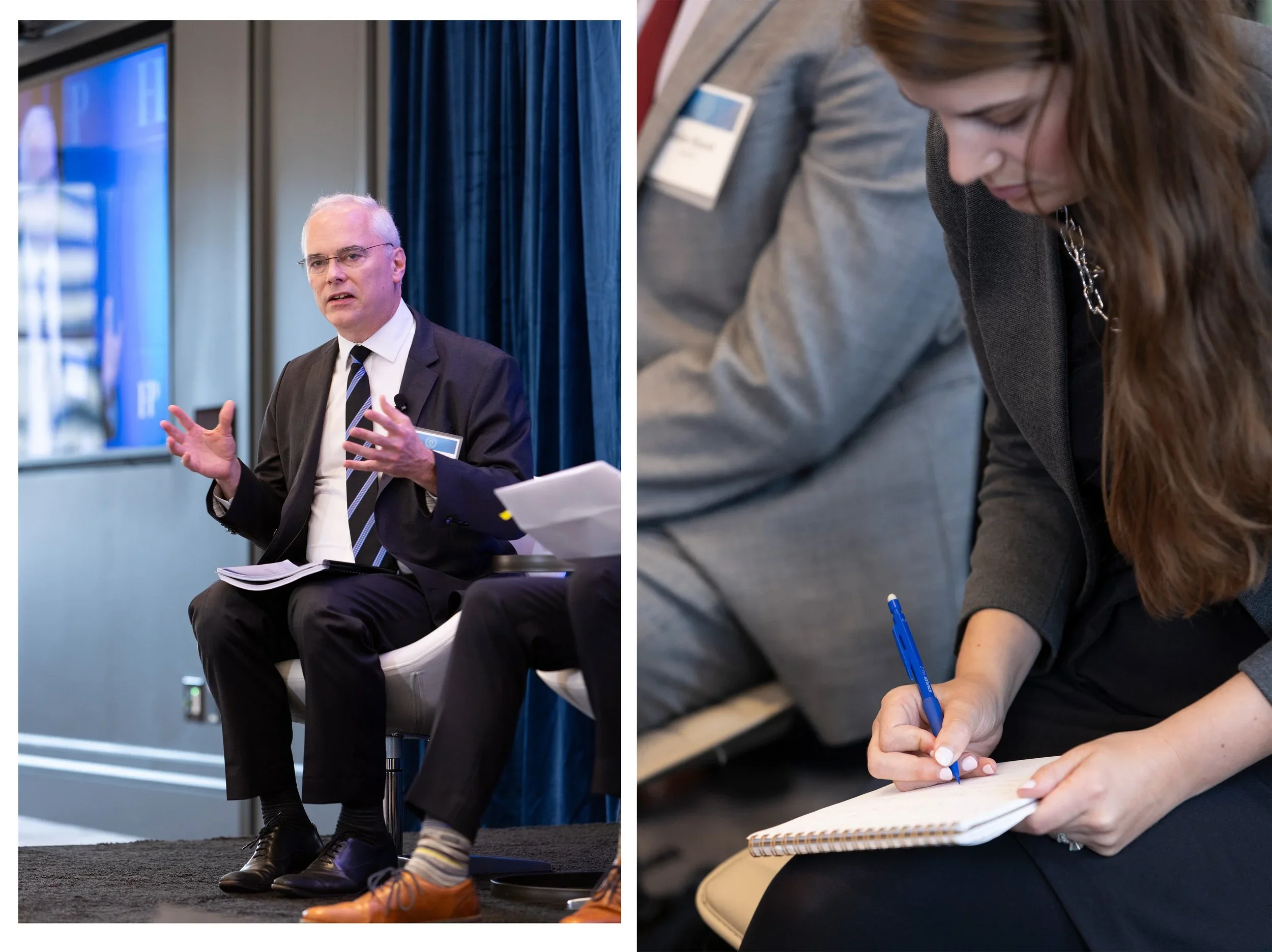
Panel discussions are equal parts information and interaction — framed by speakers, enriched by audience engagement, and defined by transitions from wide scene-setting shots to the small, human moments in between. What we do well here is observe first, document second:

  • Capture wide shots that establish the stage, panelists, and environment

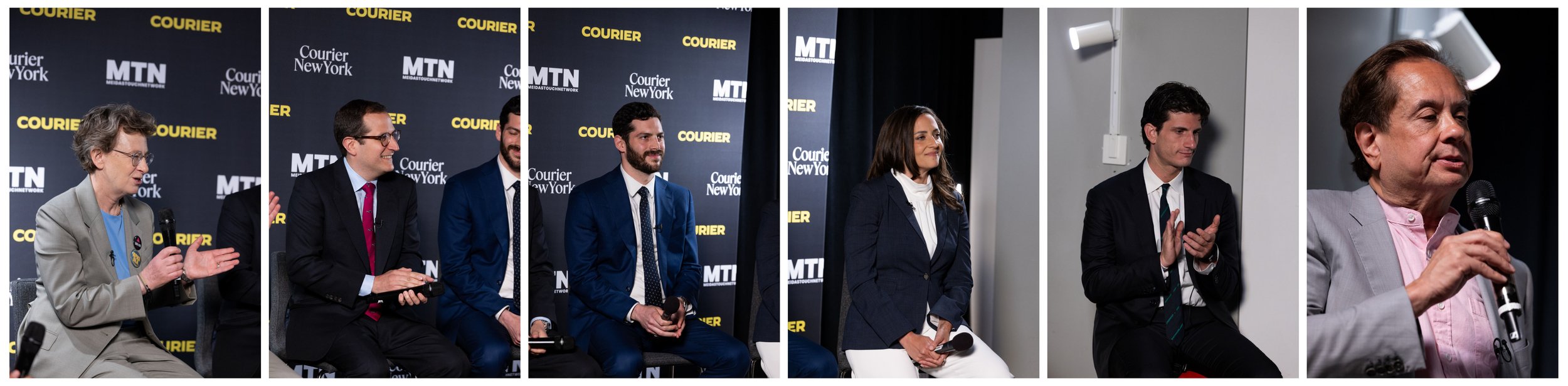
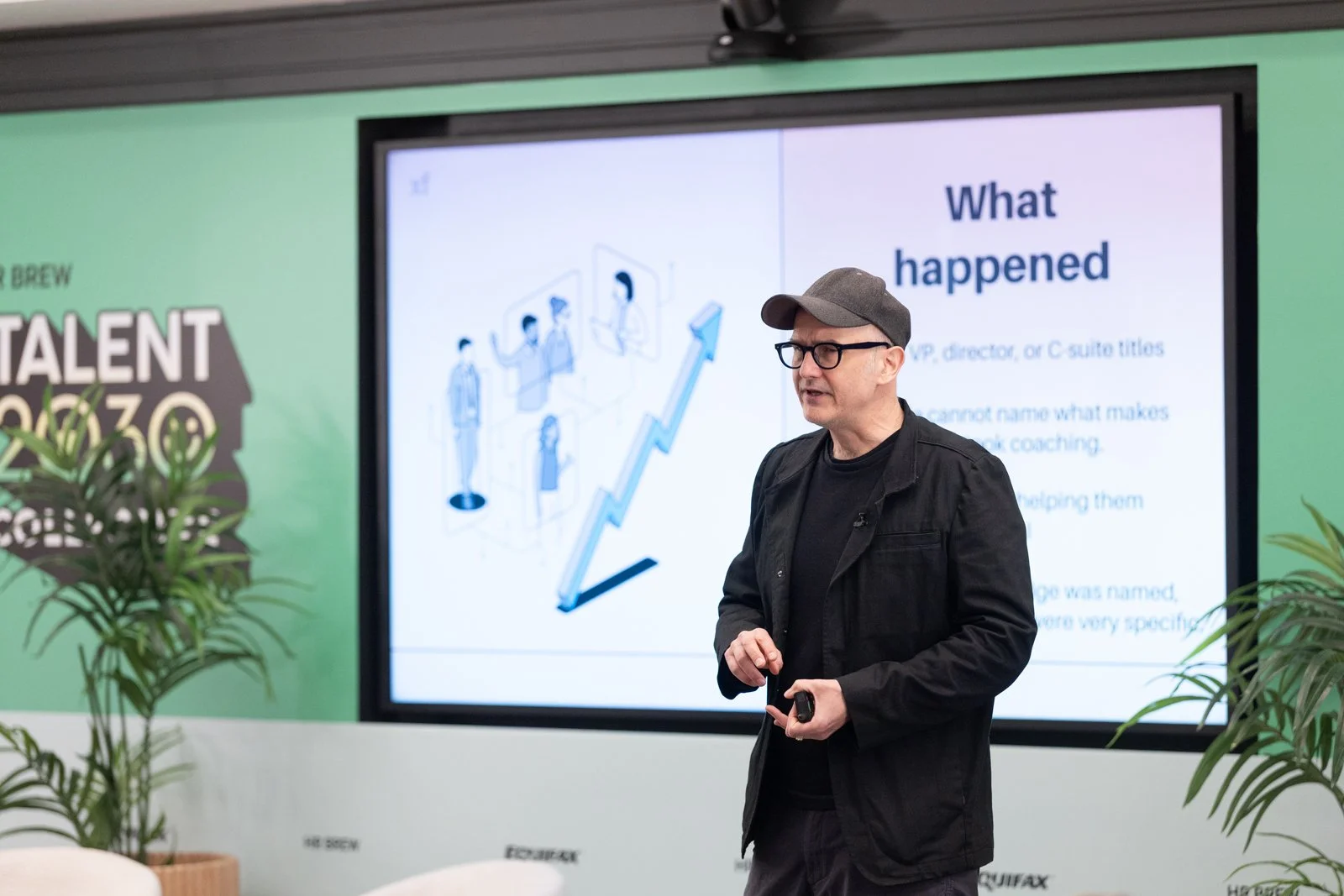
  • Zoom in on speaker expressions, gestures, and audience reactions

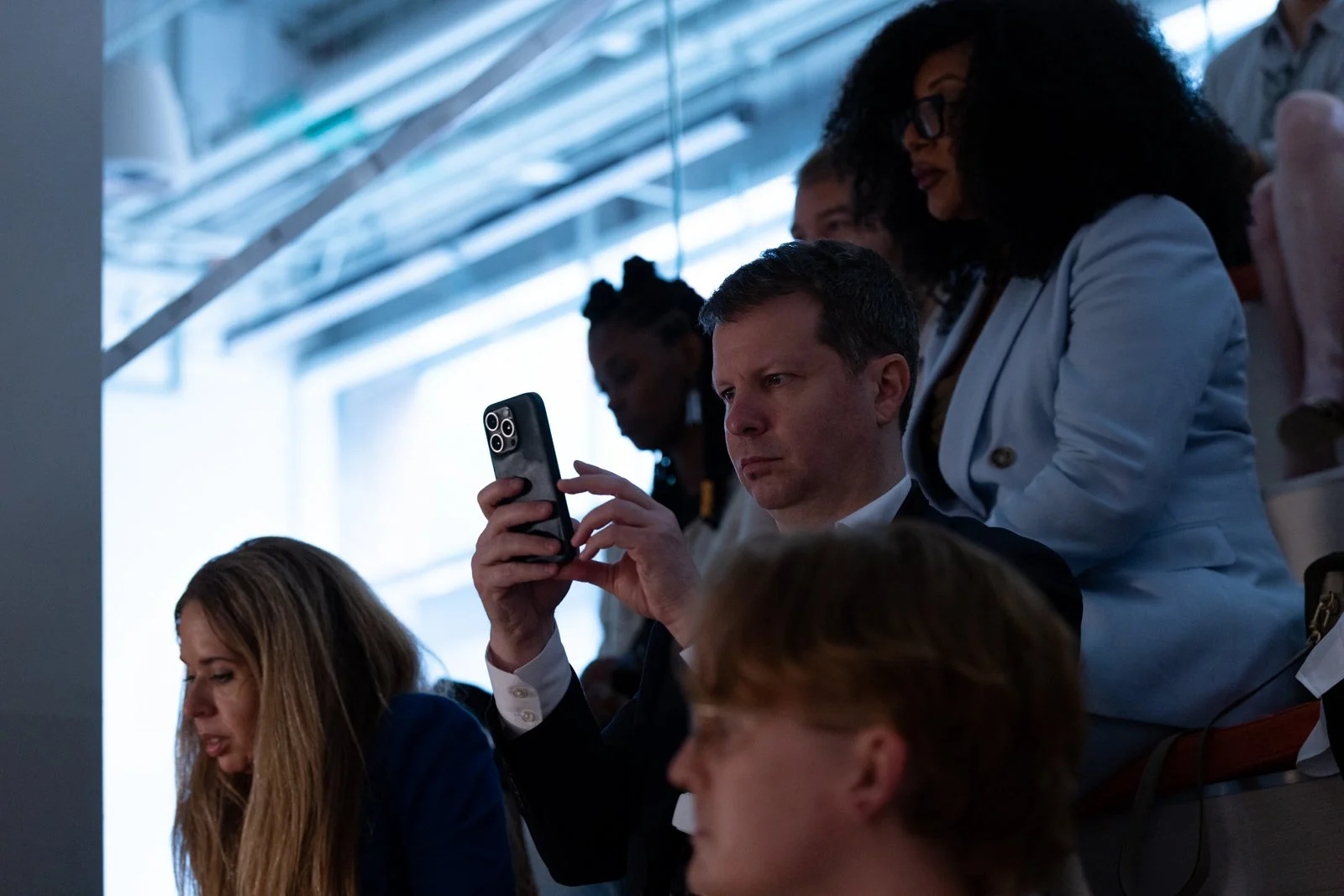
  • Photograph side conversations and breakout moments that reveal engagement and idea exchange

  • Integrate visuals for post-event marketing and internal communications that go beyond the formal program

With this mix of big picture and detail, images become assets that can support press coverage, reports, social content, and future event promotion.

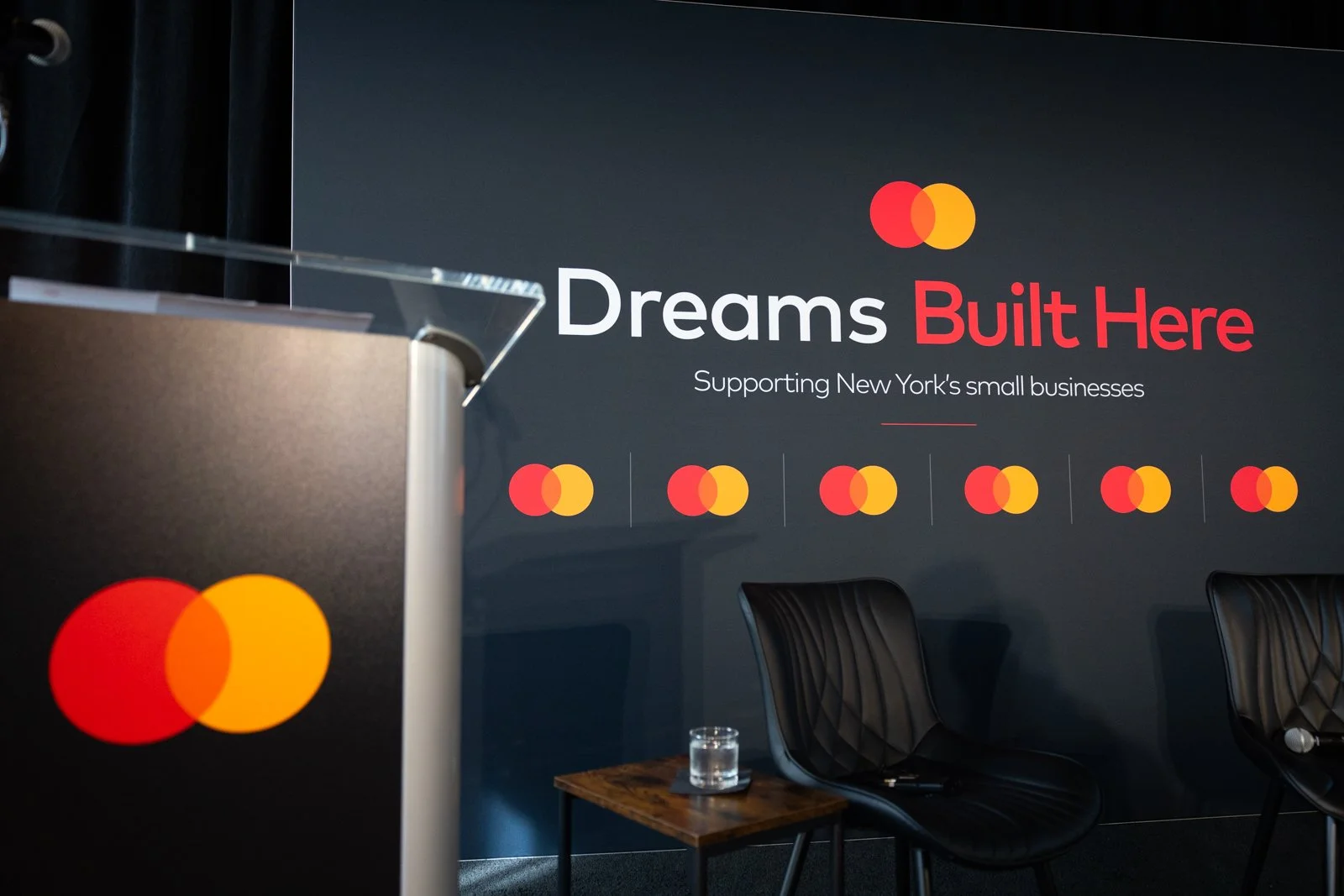
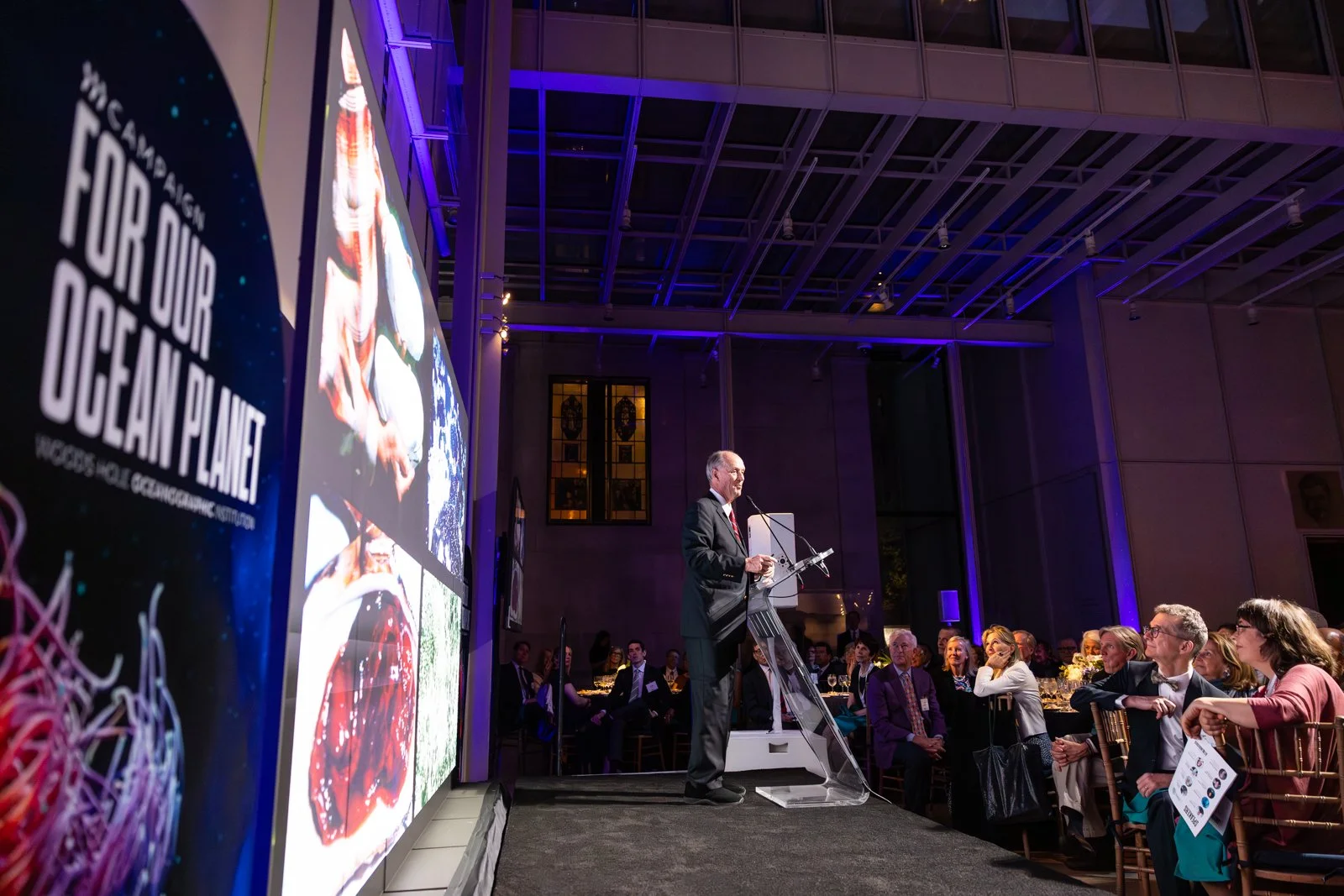
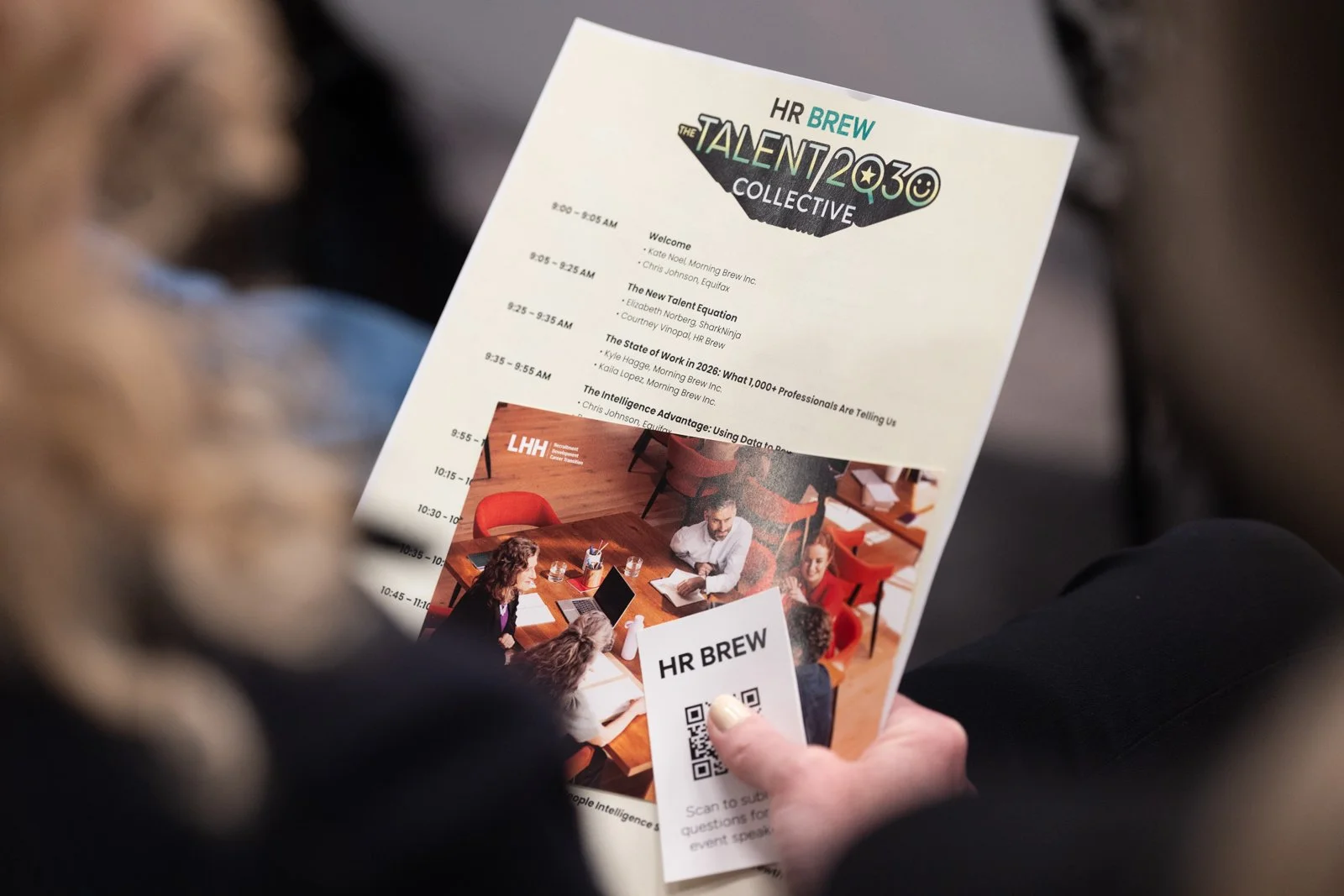
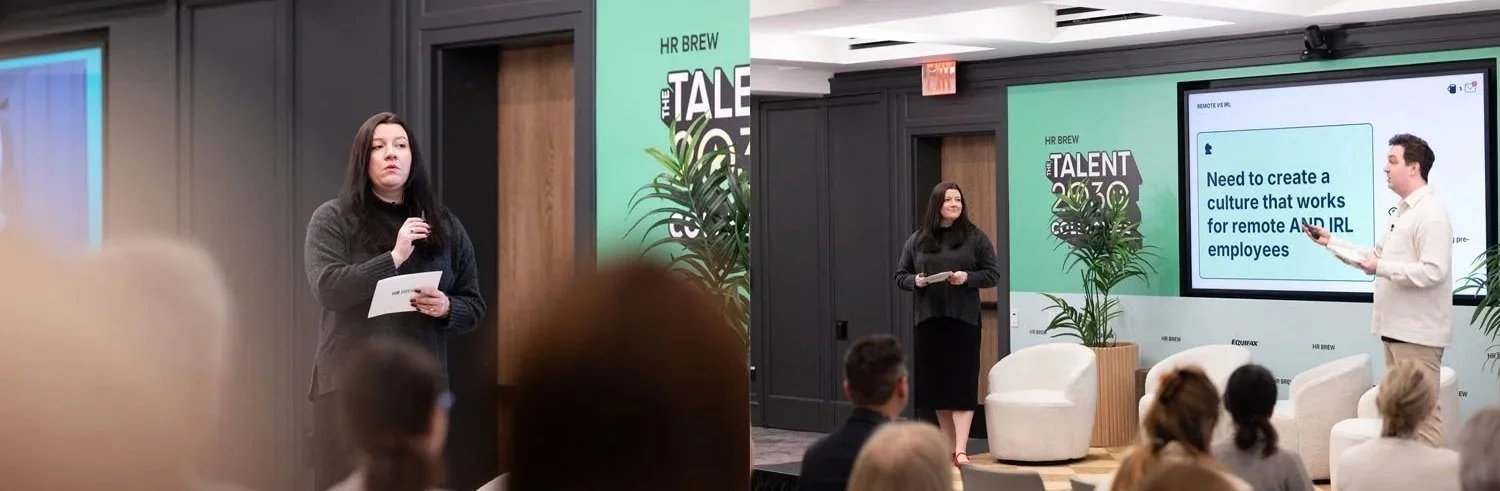
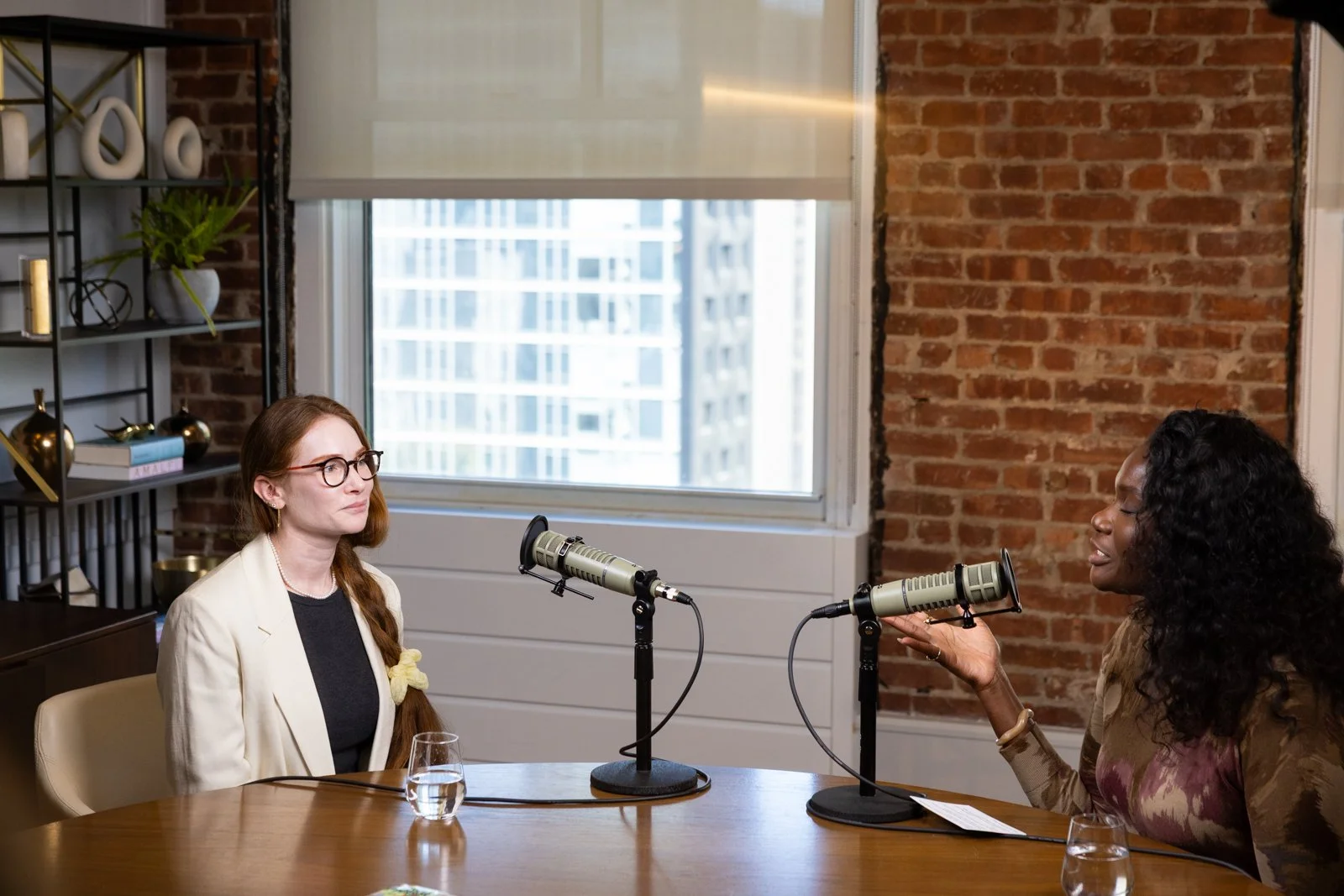
You can see an example of this approach in a recent panel discussion we photographed in New York.

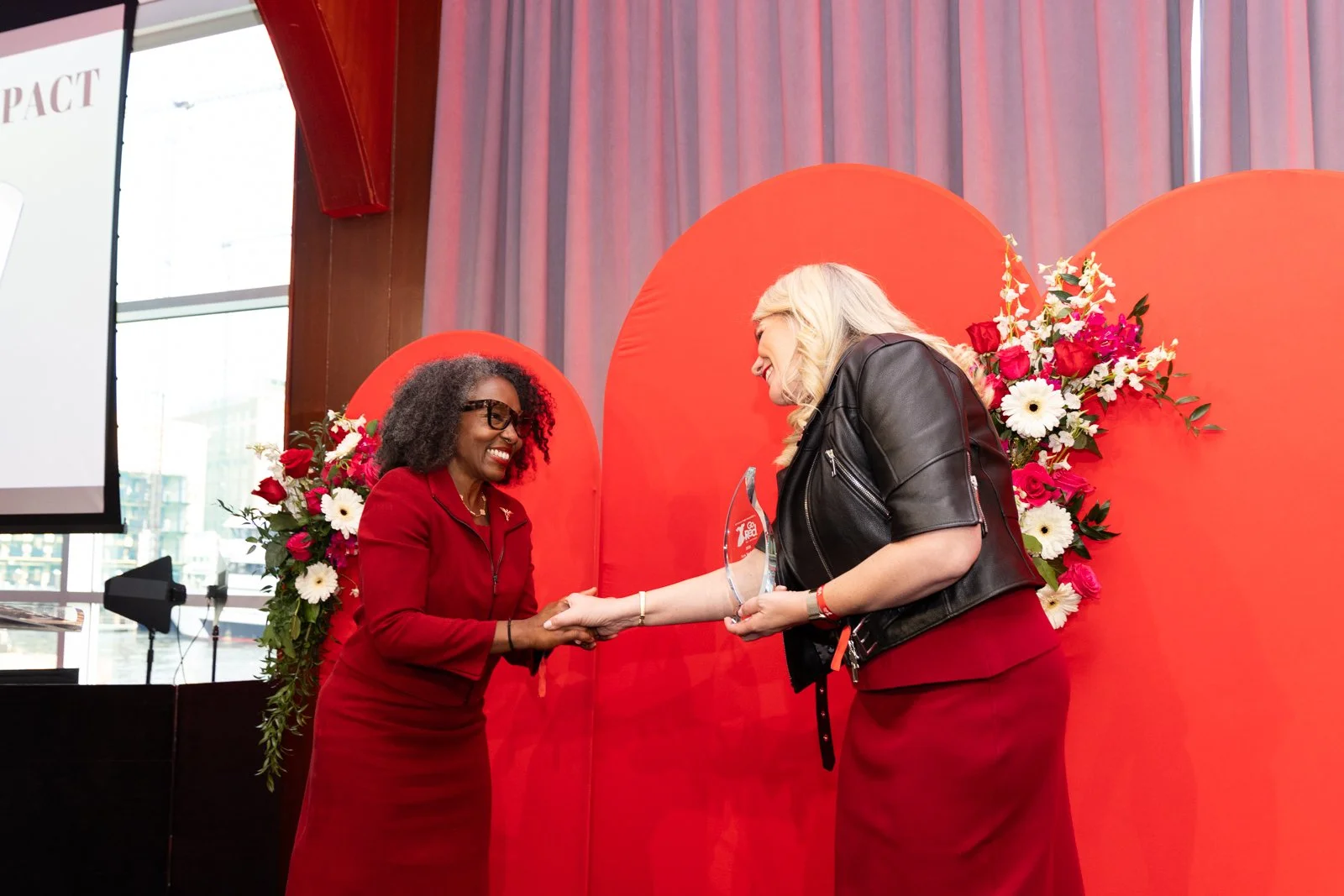
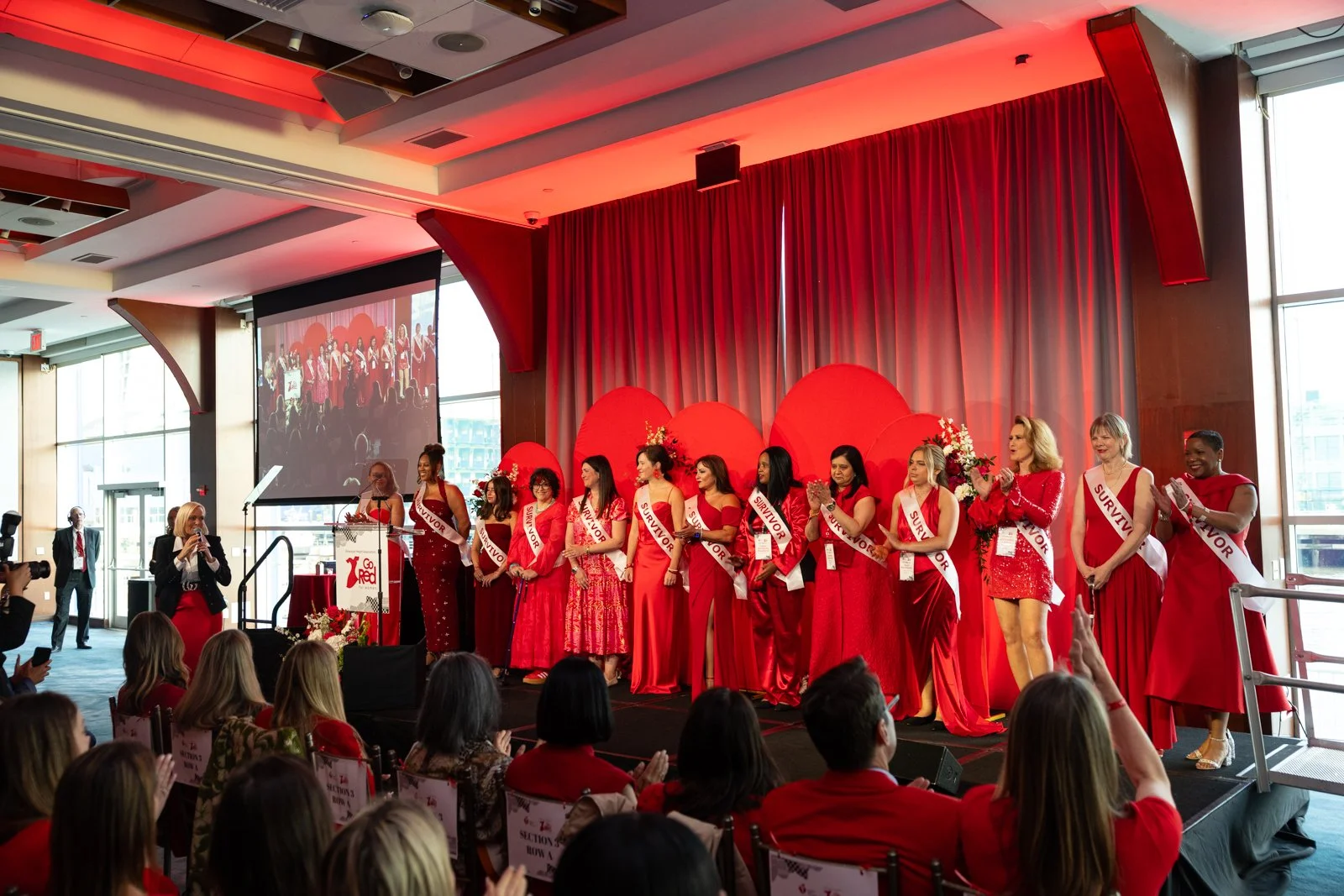
Galas and Fundraisers

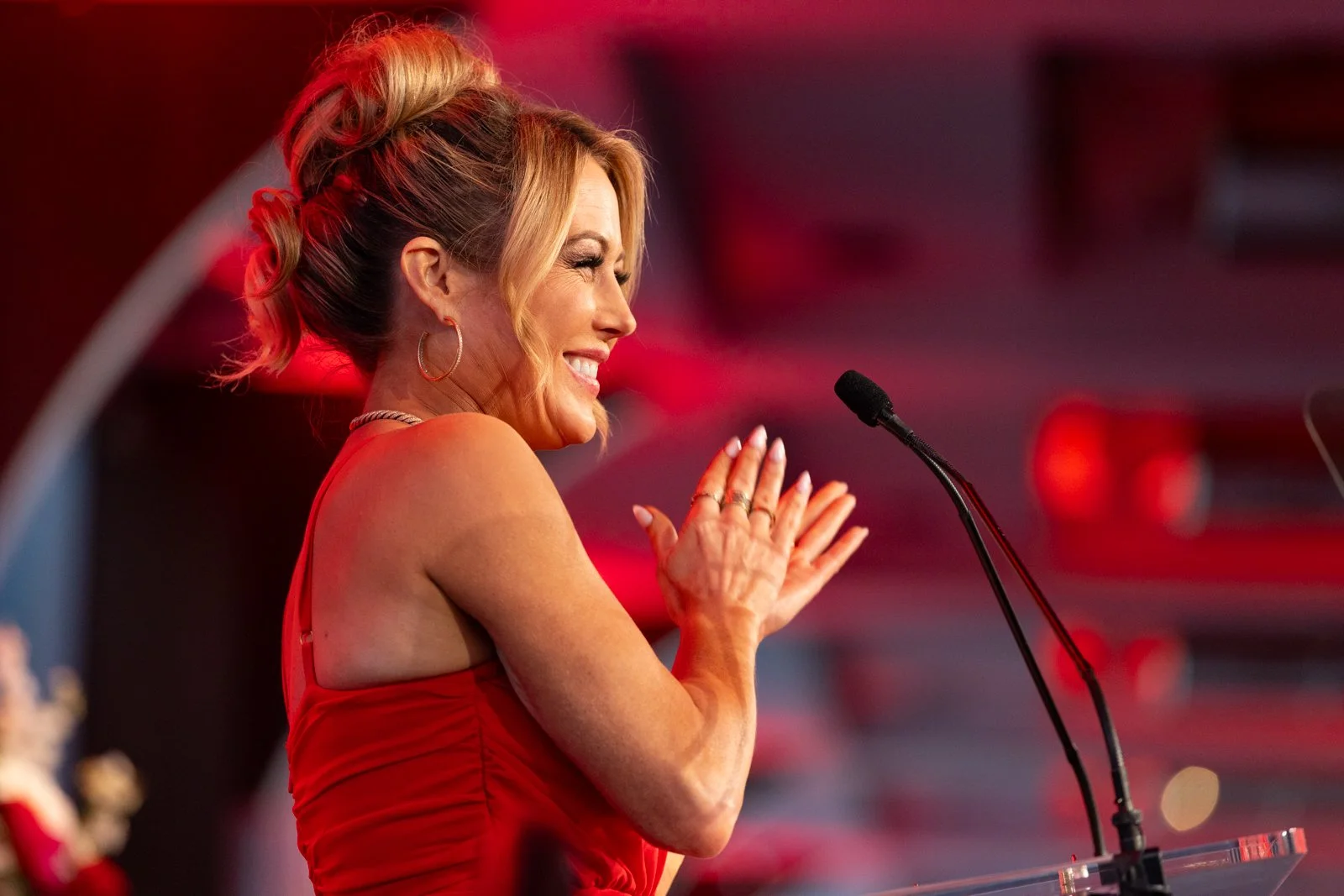
Galas and fundraisers have a unique rhythm all their own — guests arrive, energy builds, speeches or presentations take place, and connections form throughout the night. Our work here focuses on balance:

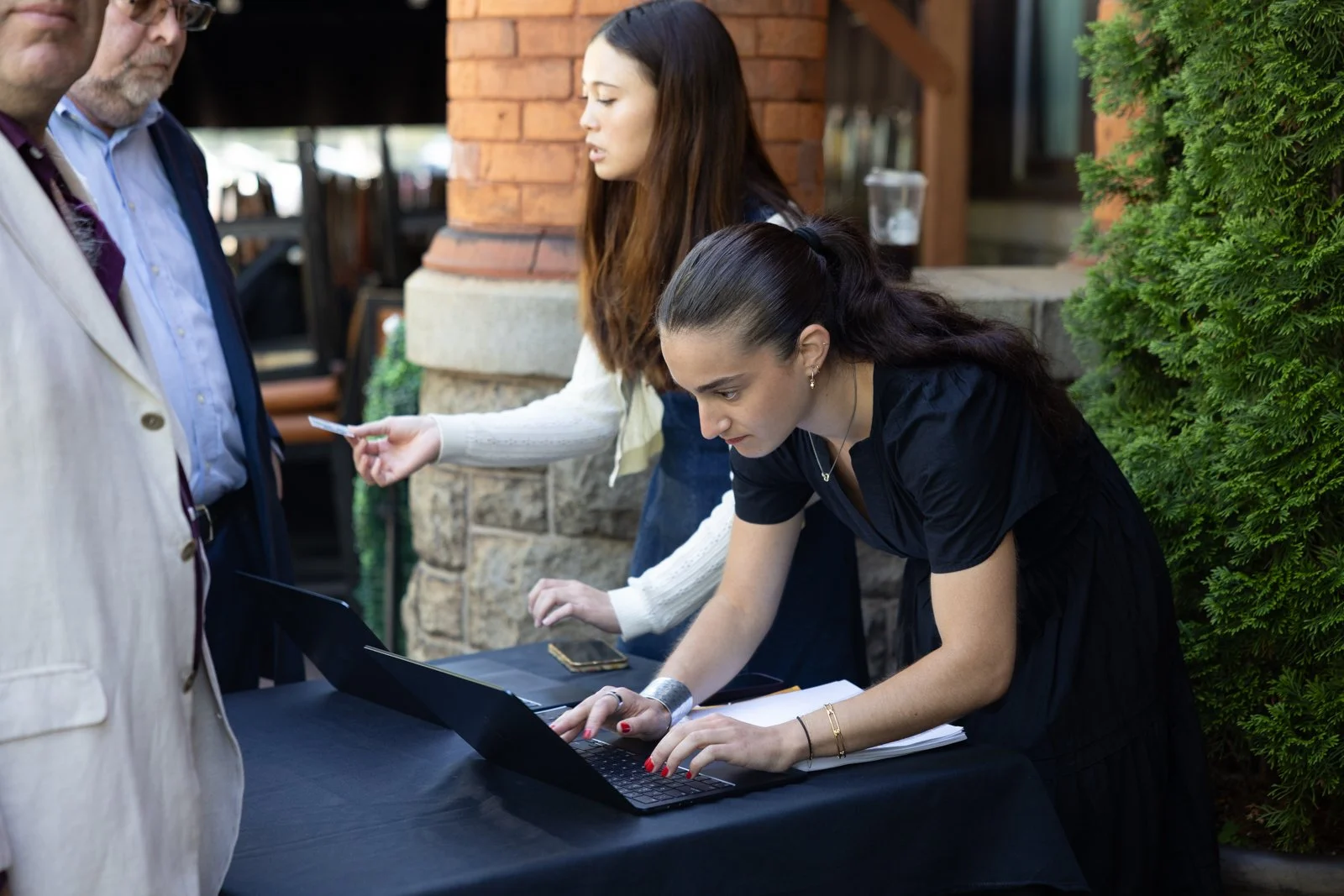
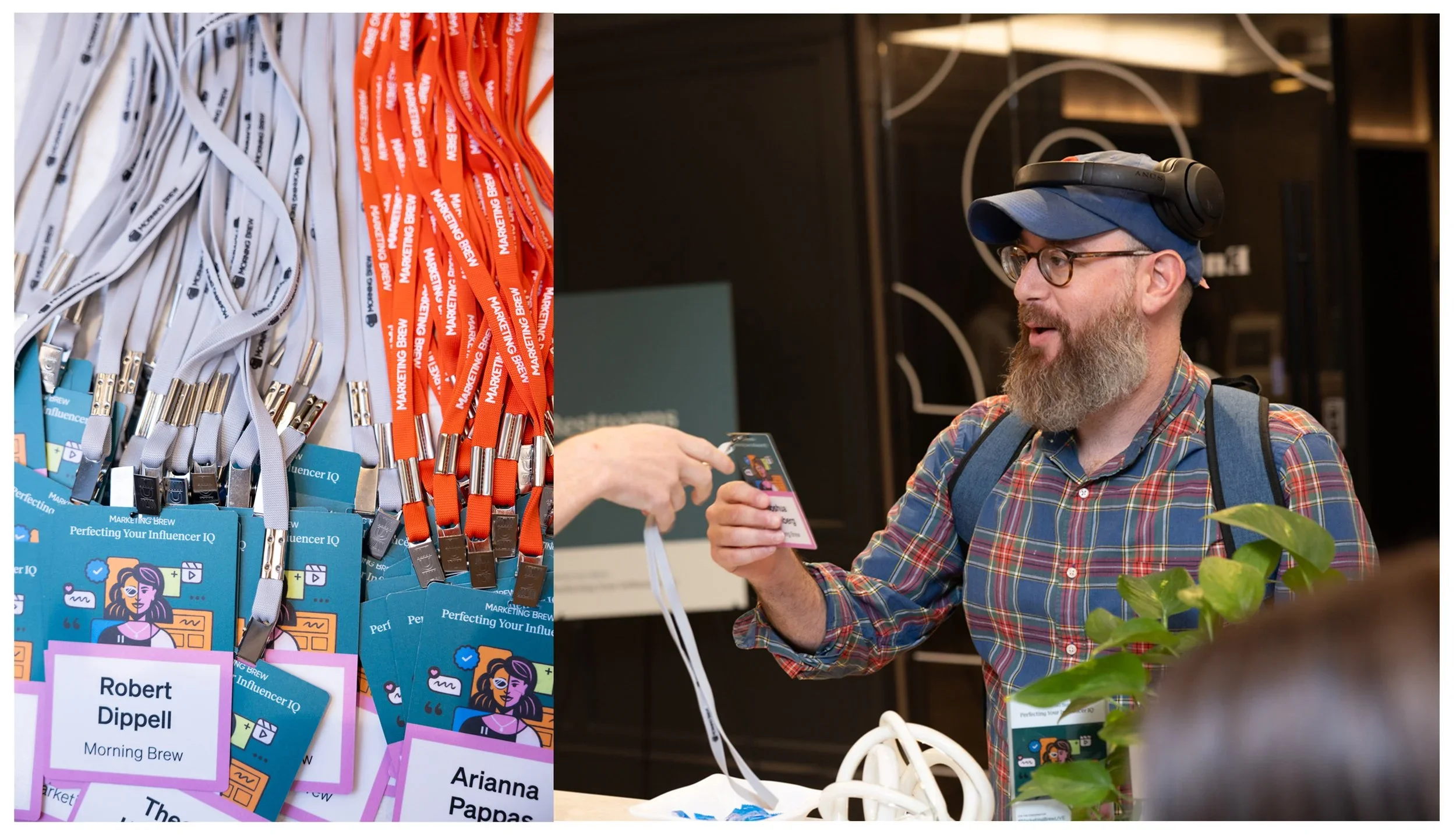
  • Documenting arrival and registration moments as the first impression

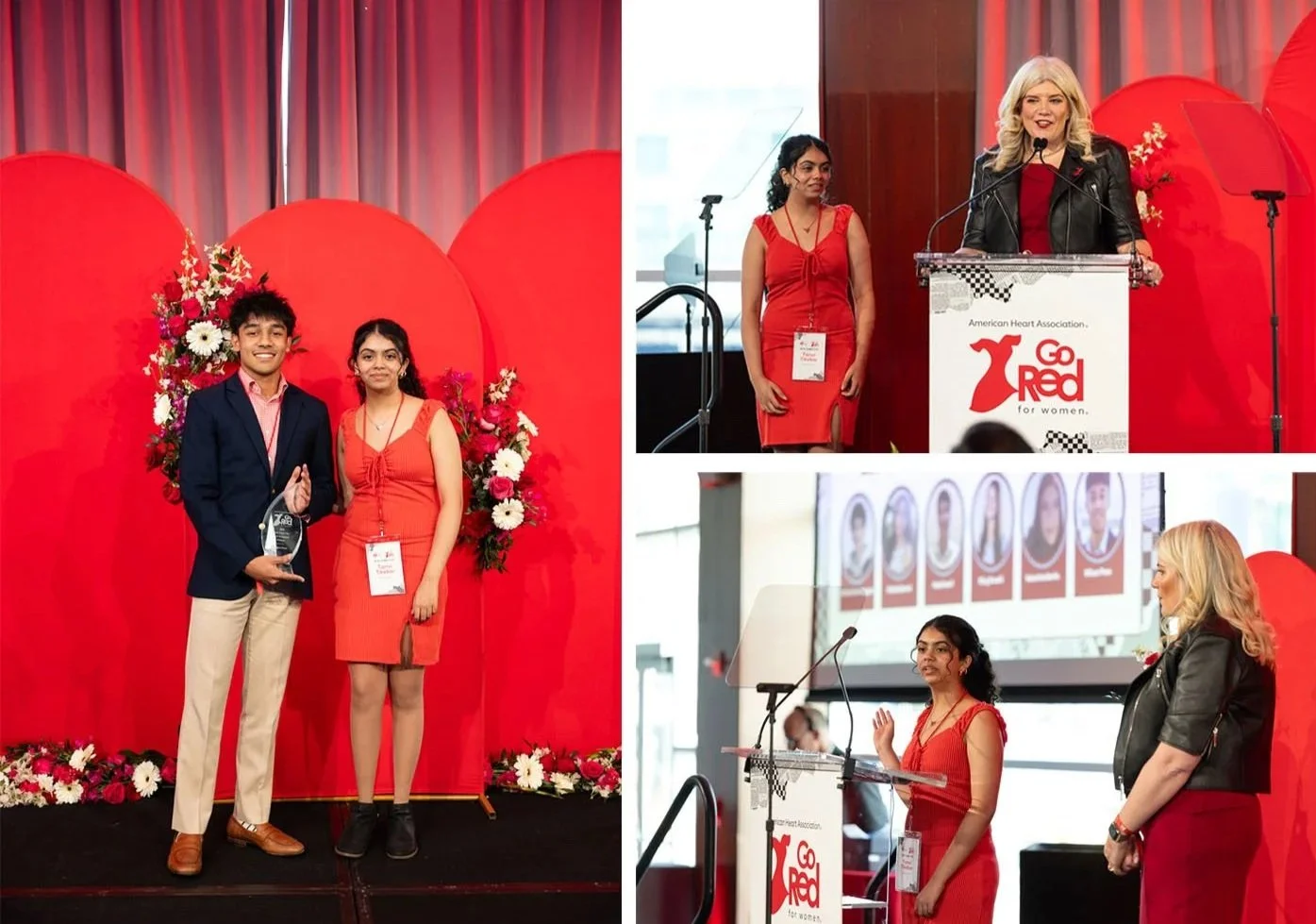
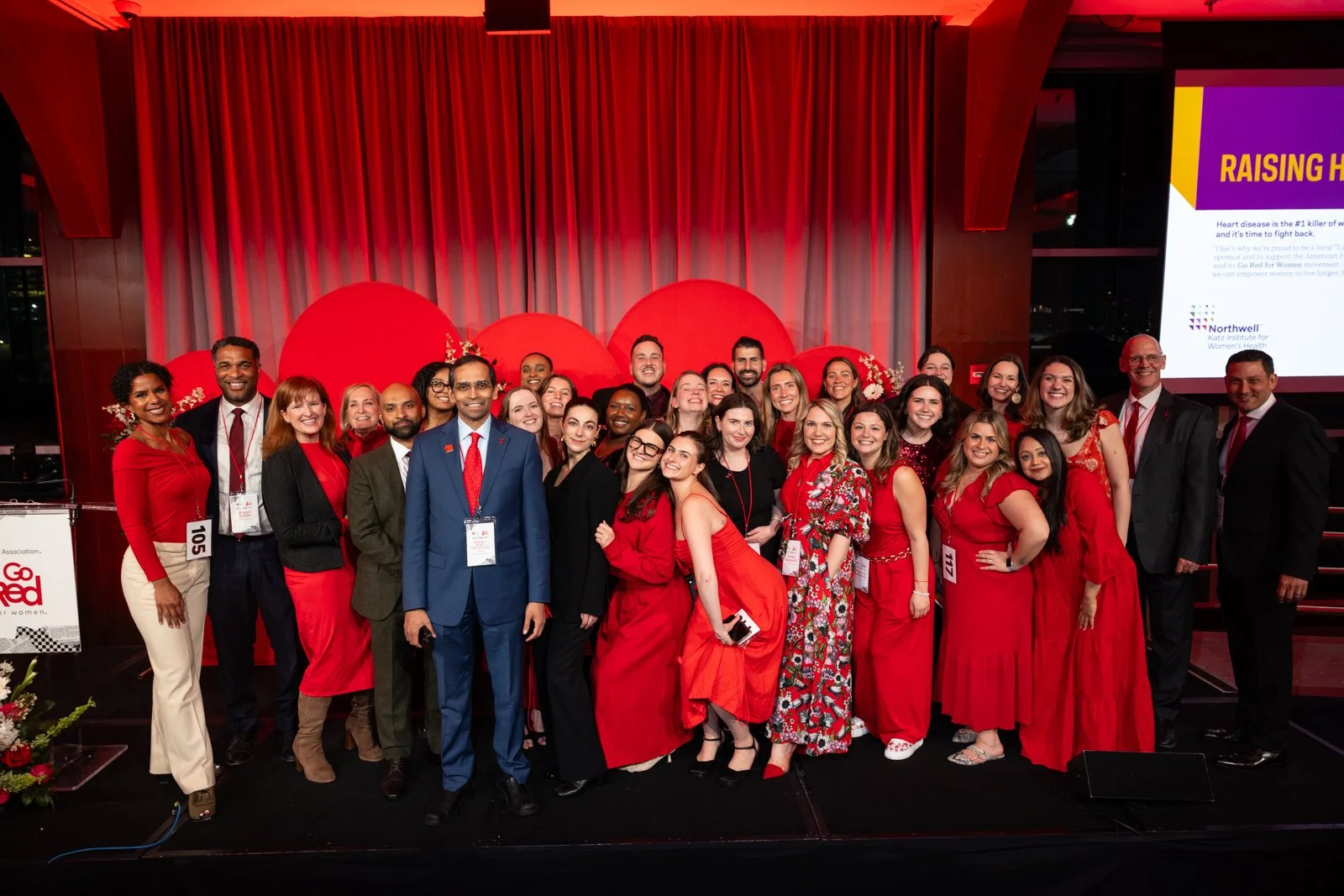
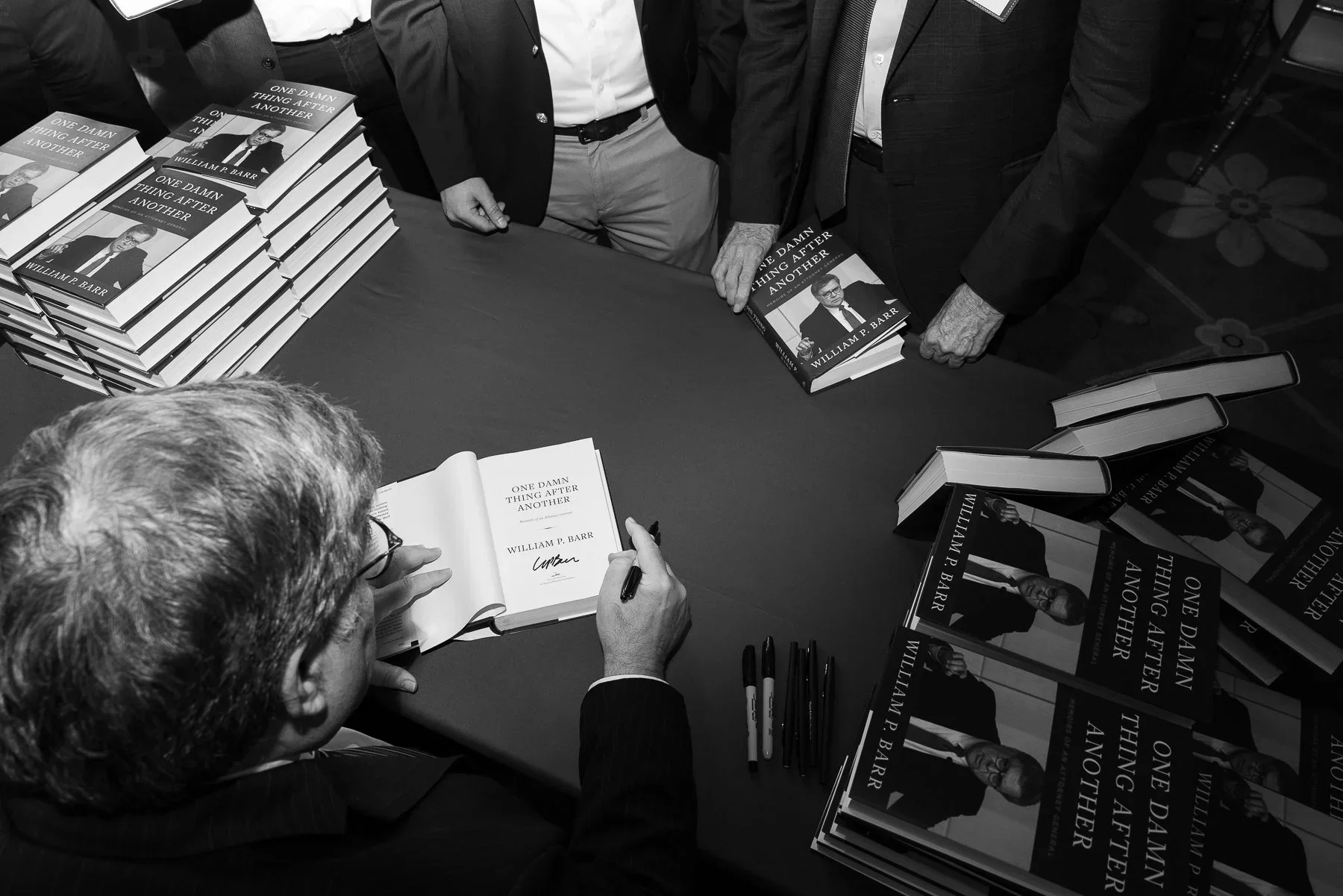
  • Capturing key moments on stage — honorees, speeches, awards

  • Photographing candid interactions between guests during cocktail hours

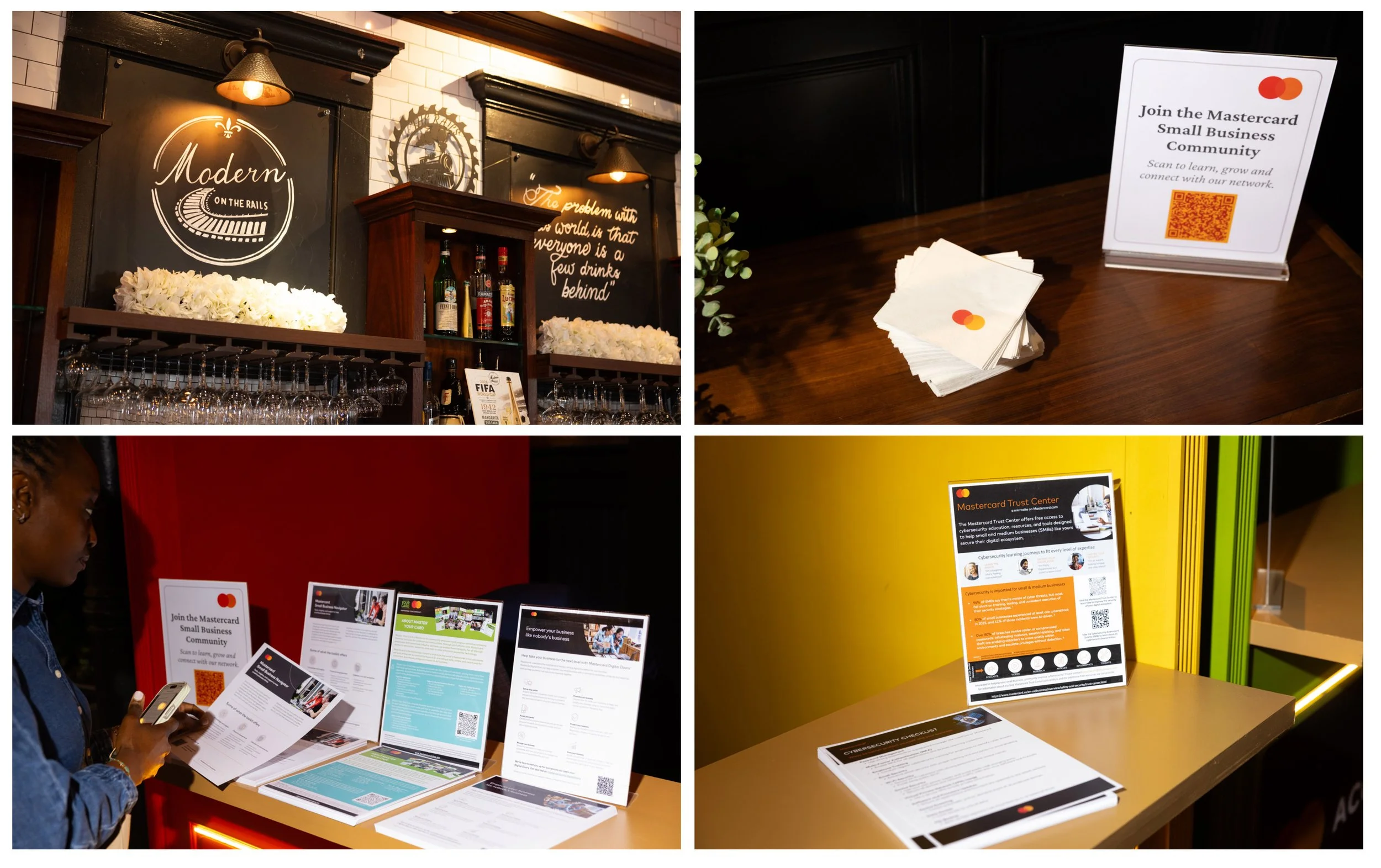
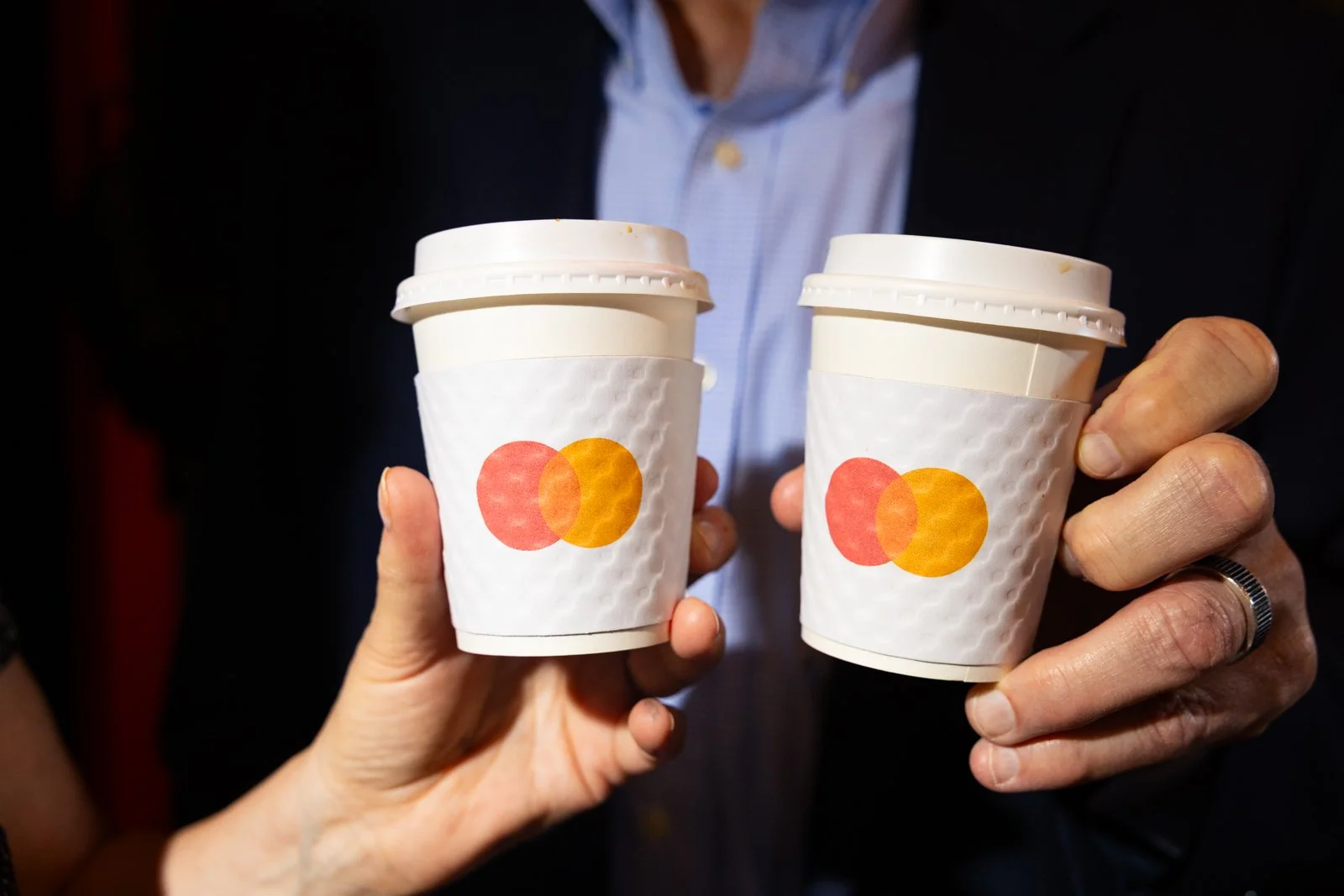
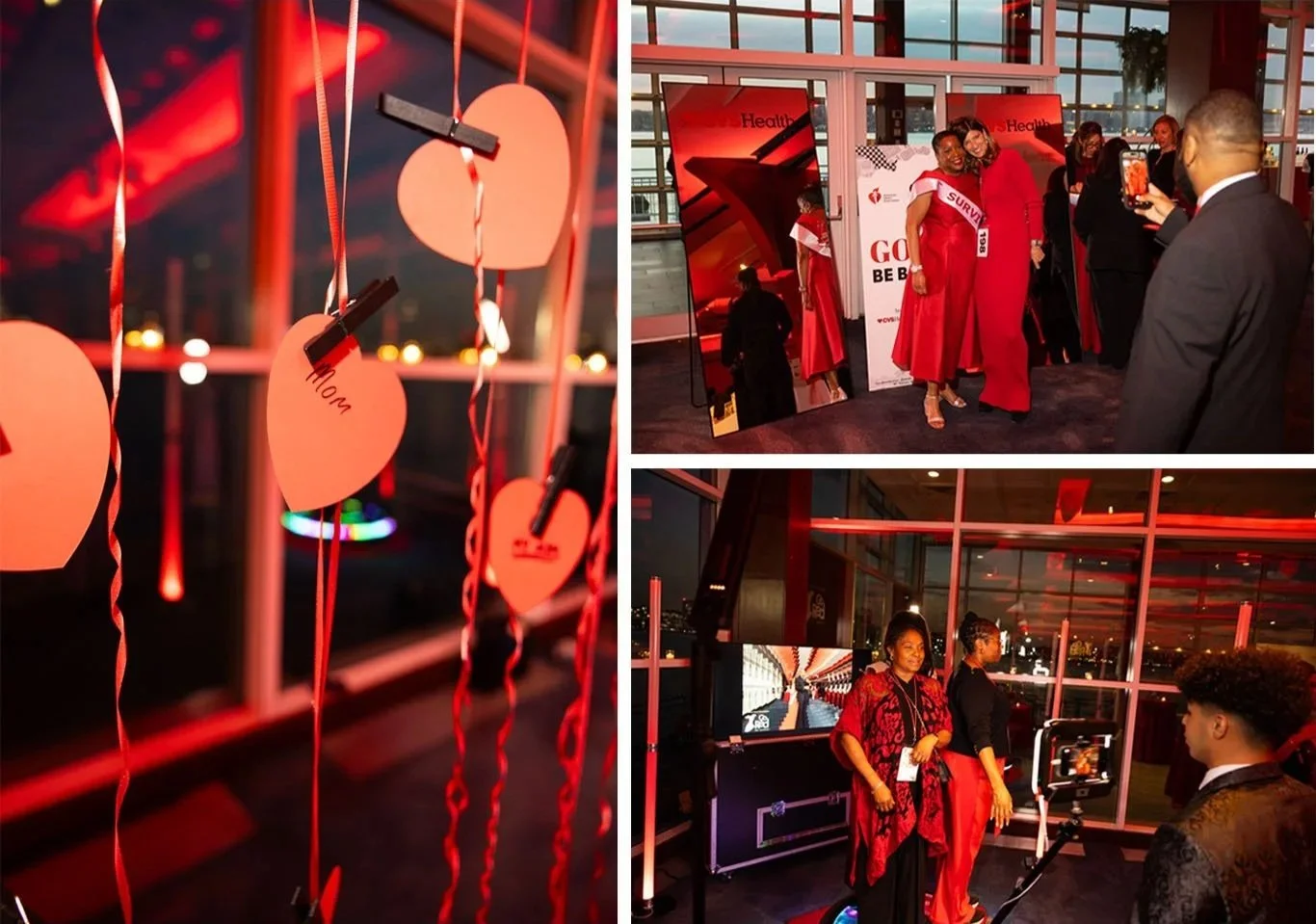
  • Shooting details that matter — décor, branded elements, ambiance

  • Delivering a gallery that’s ready for press, newsletters, and donor relations with a fast turnaround

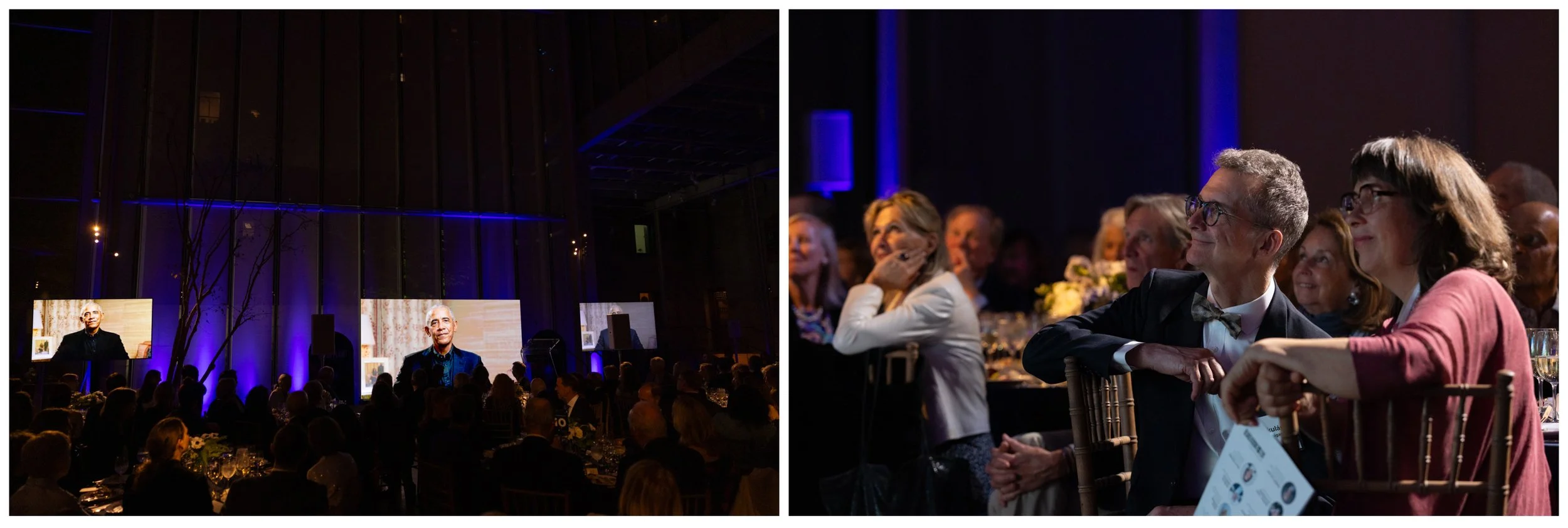
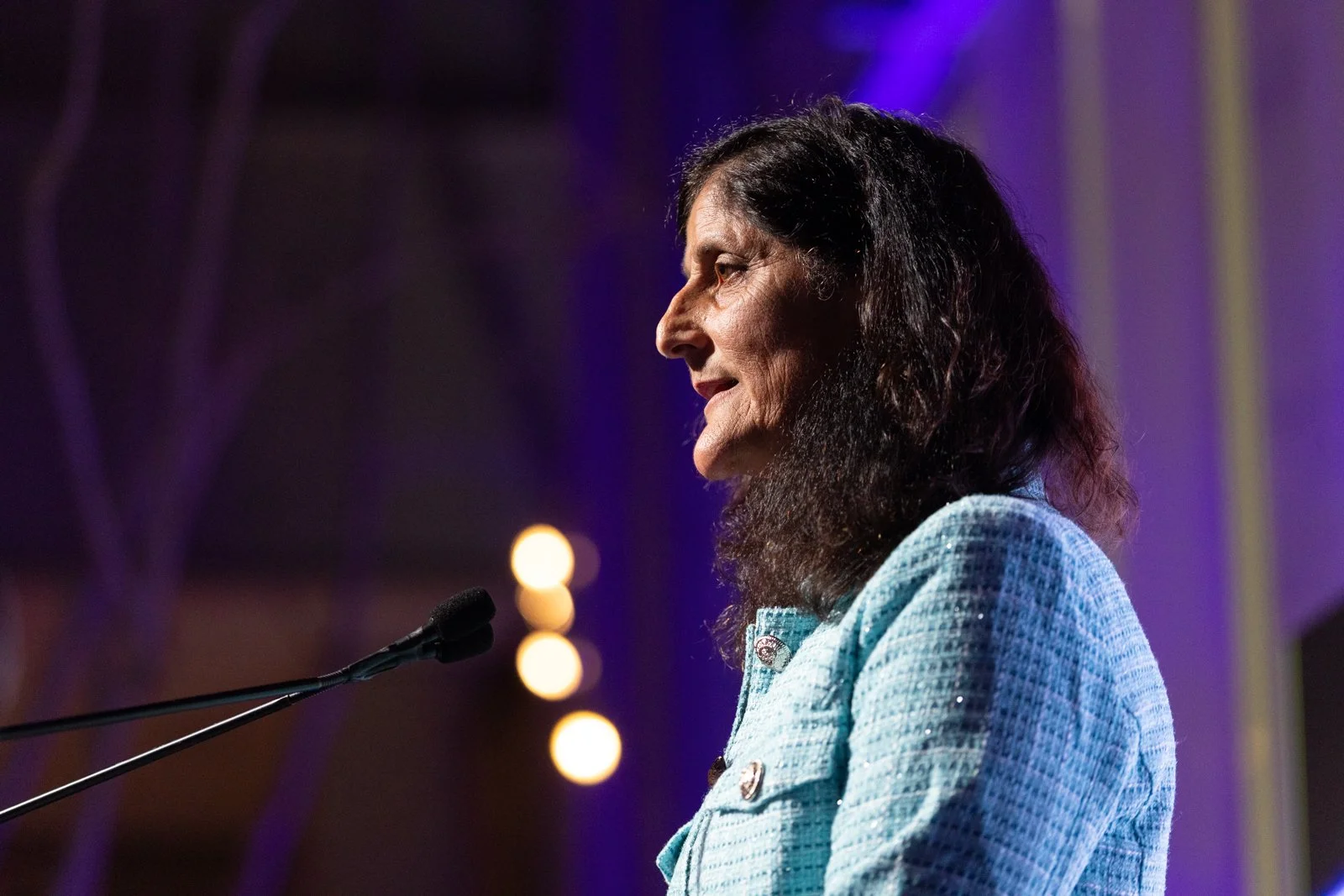
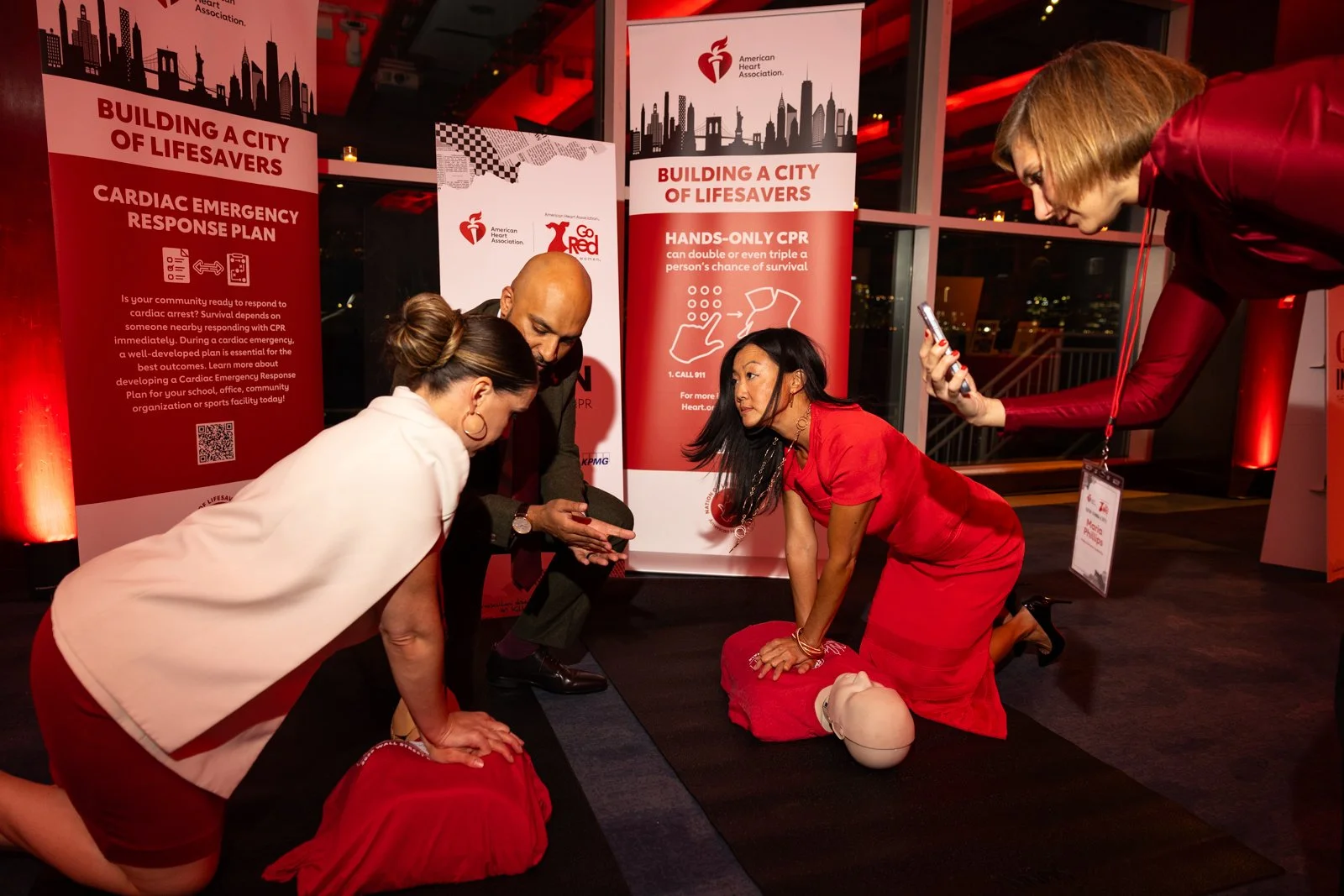
During a recent gala we covered, we blended wide architectural views with candid interactions and key ceremony moments — giving the event a visual narrative from start to finish.

Here’s an example of how we approach coverage for a formal gala.

Networking Events

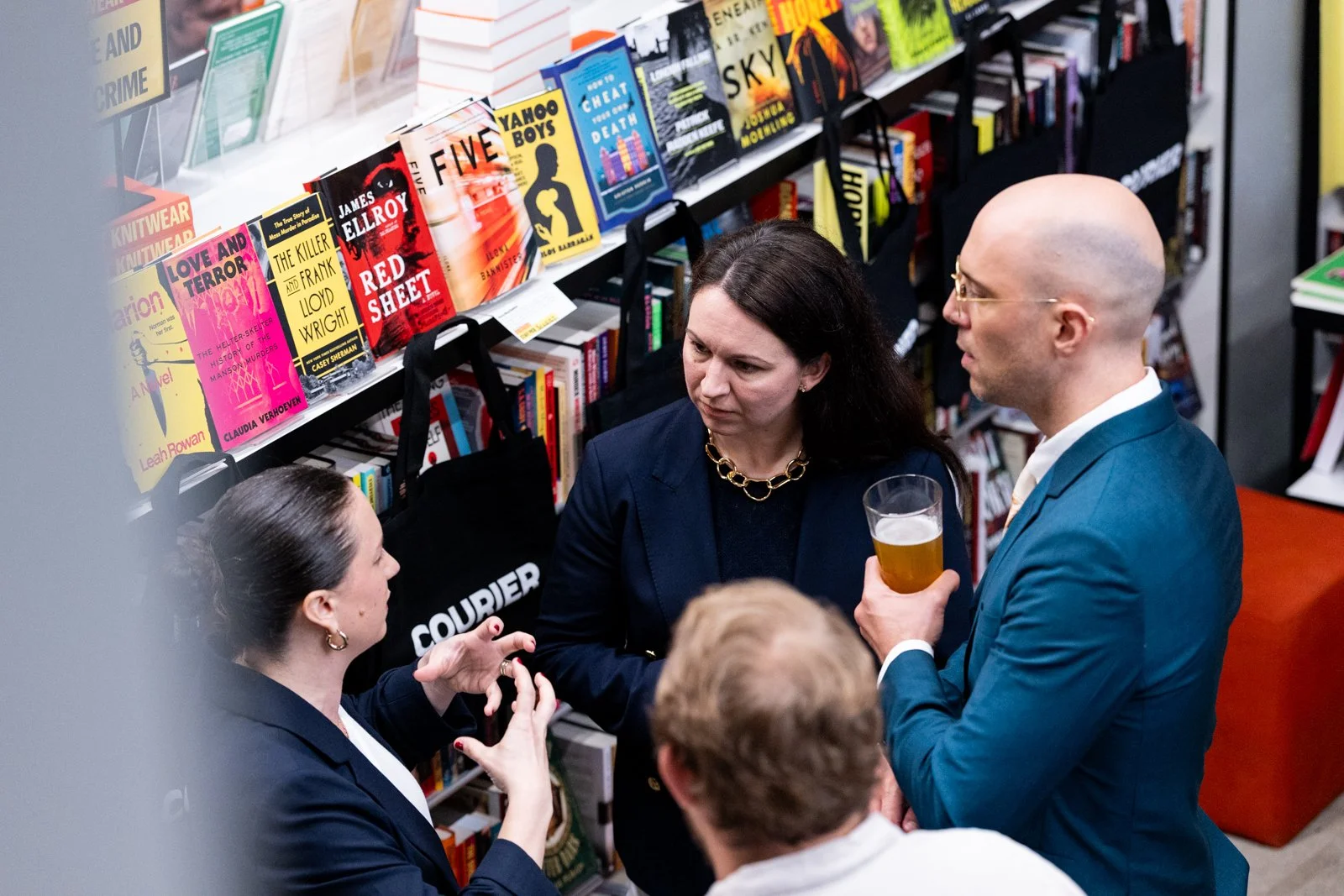
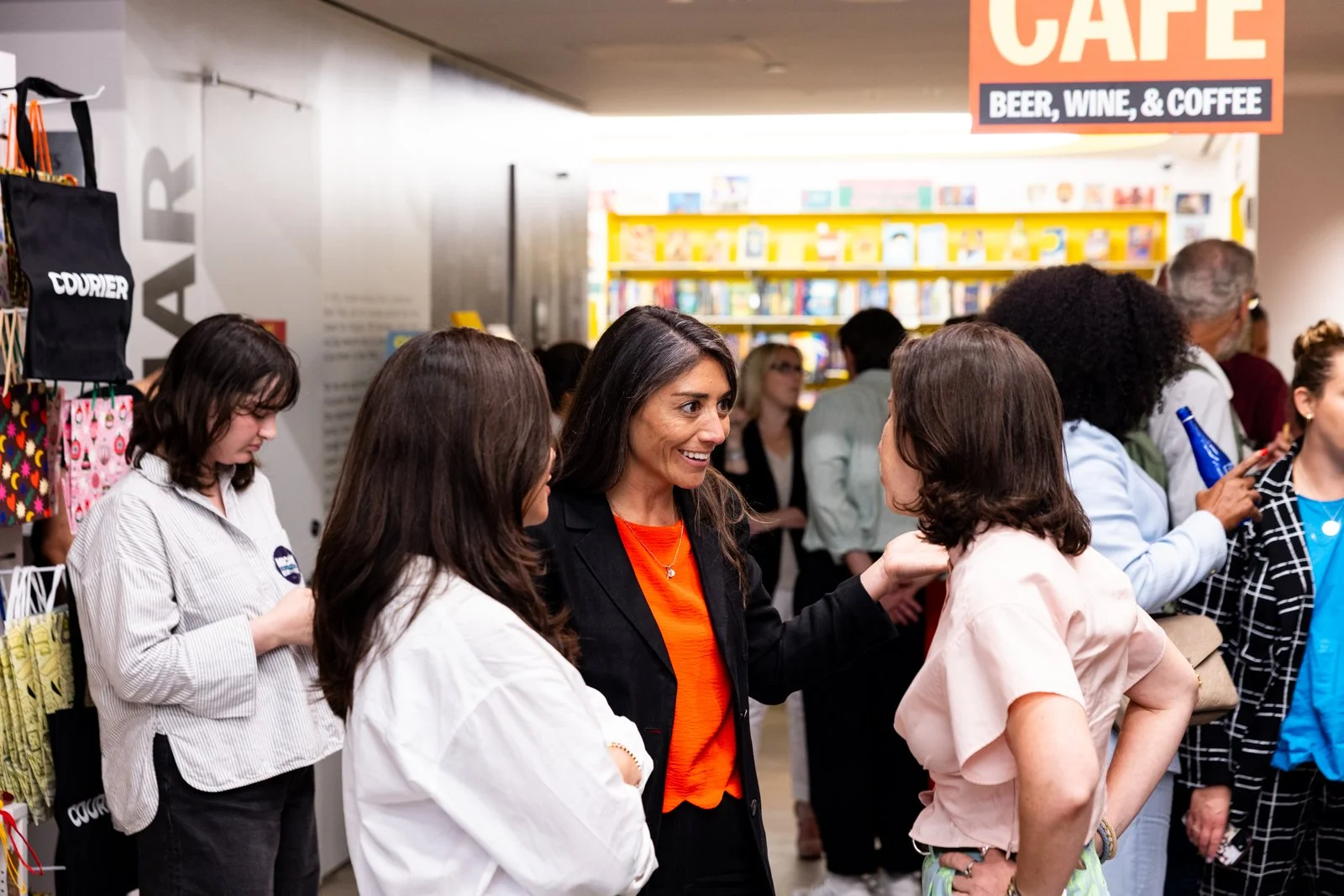
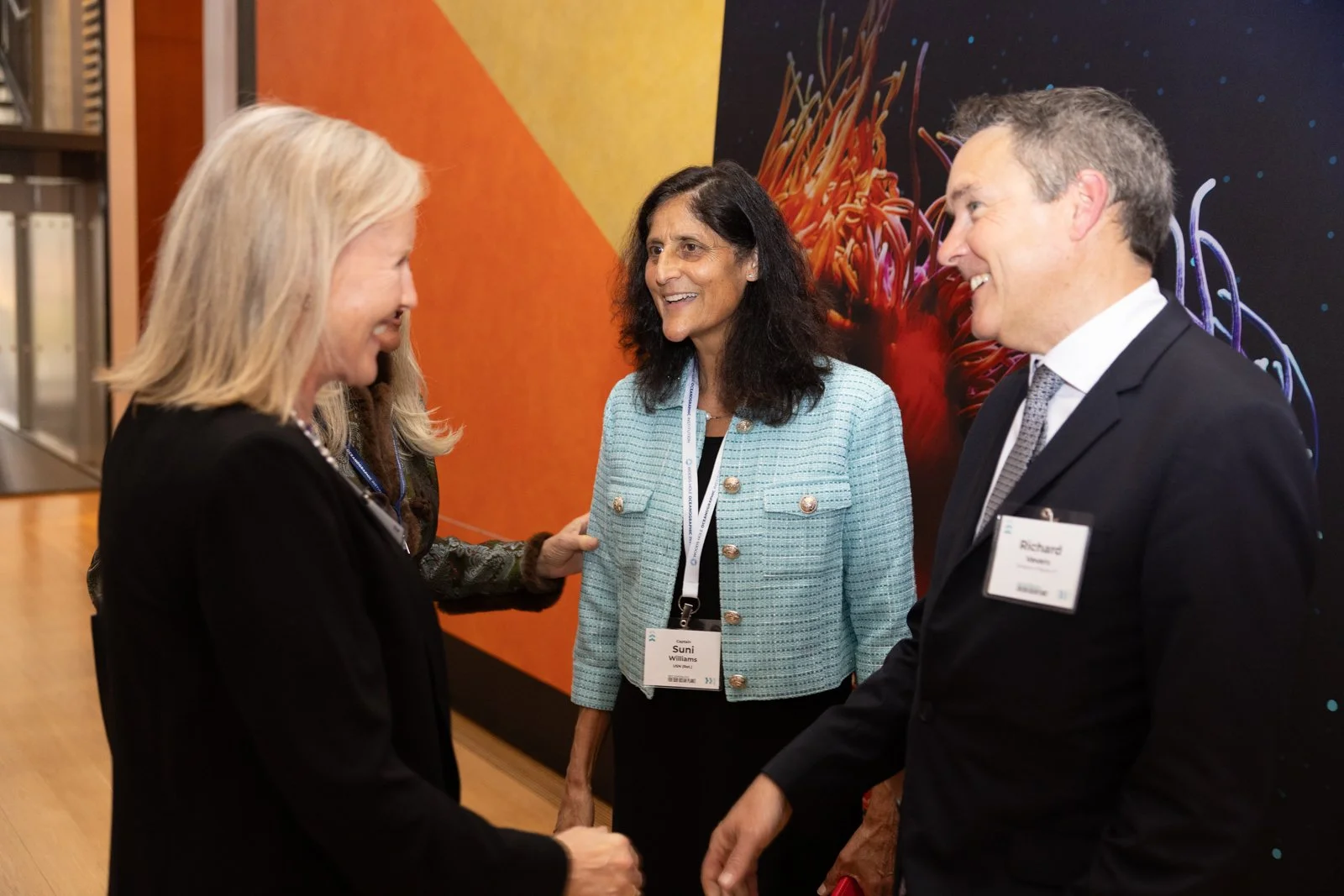
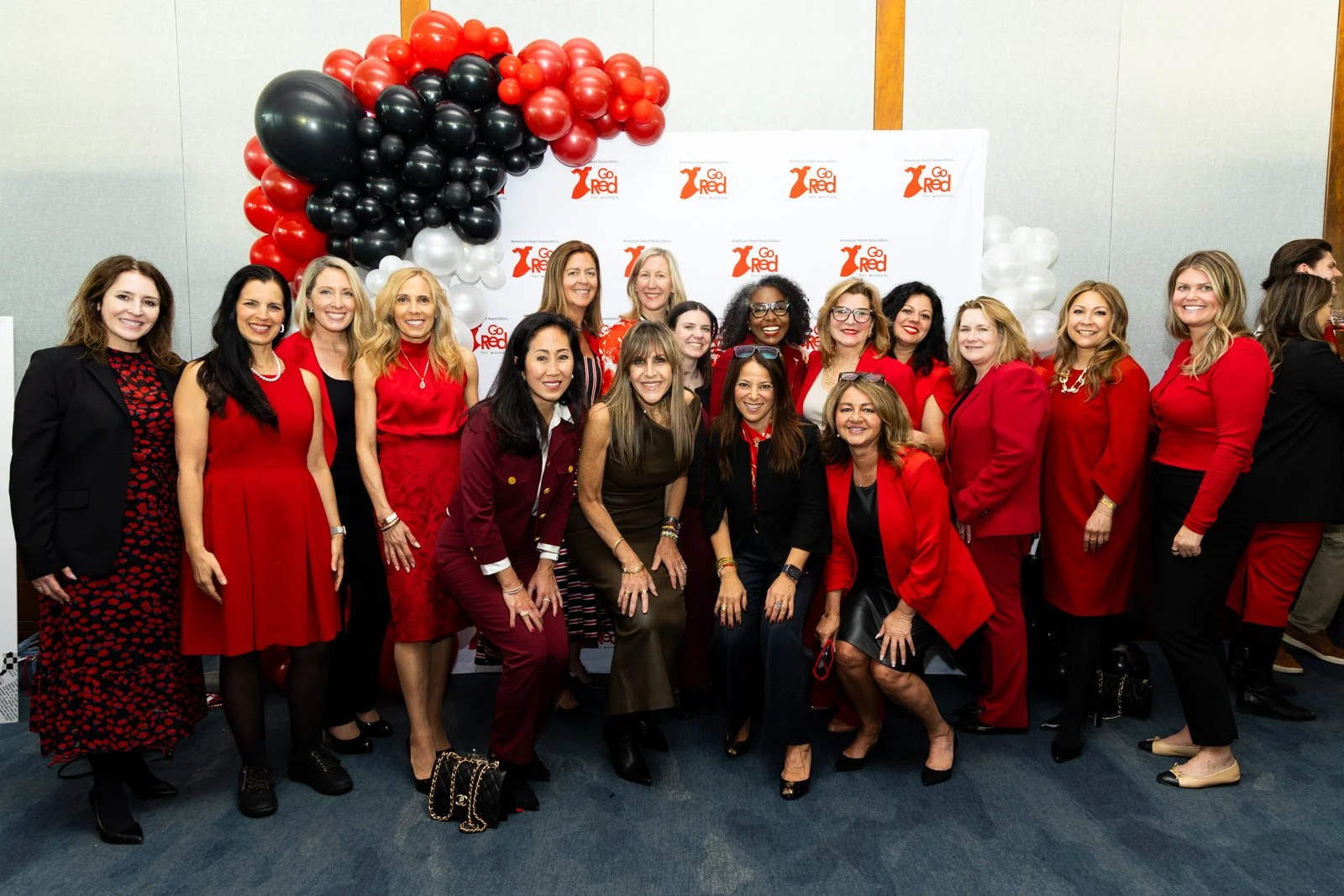
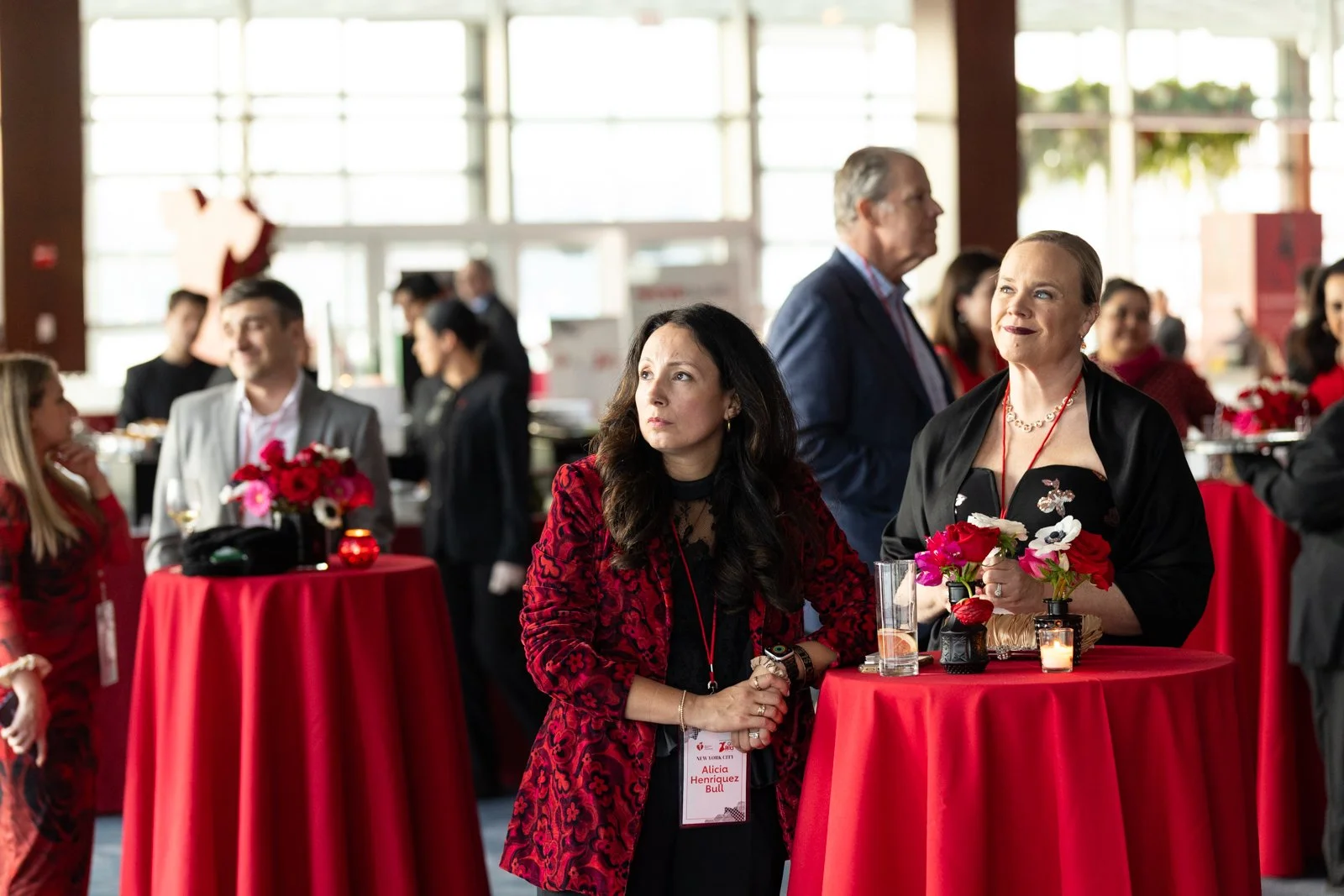
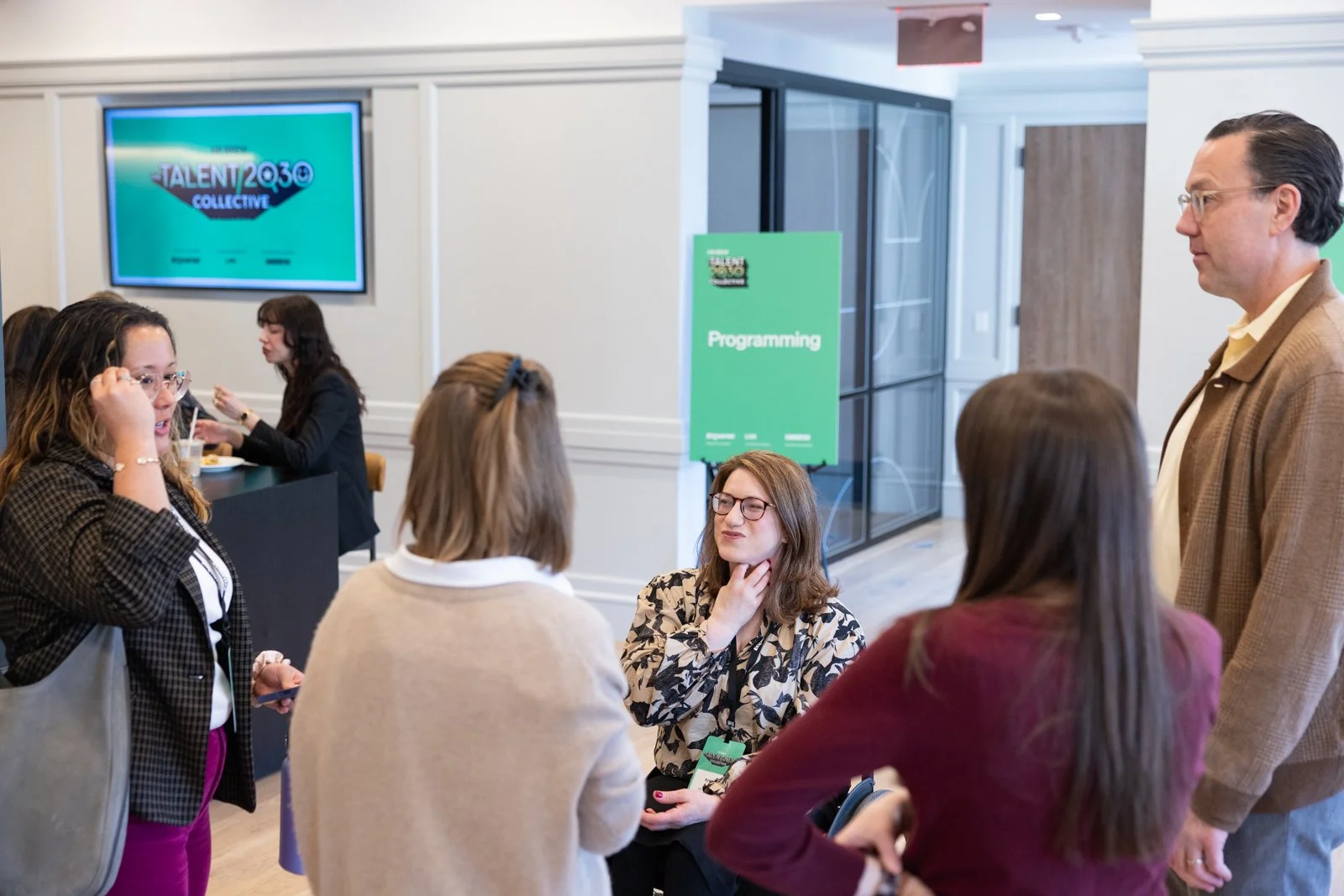
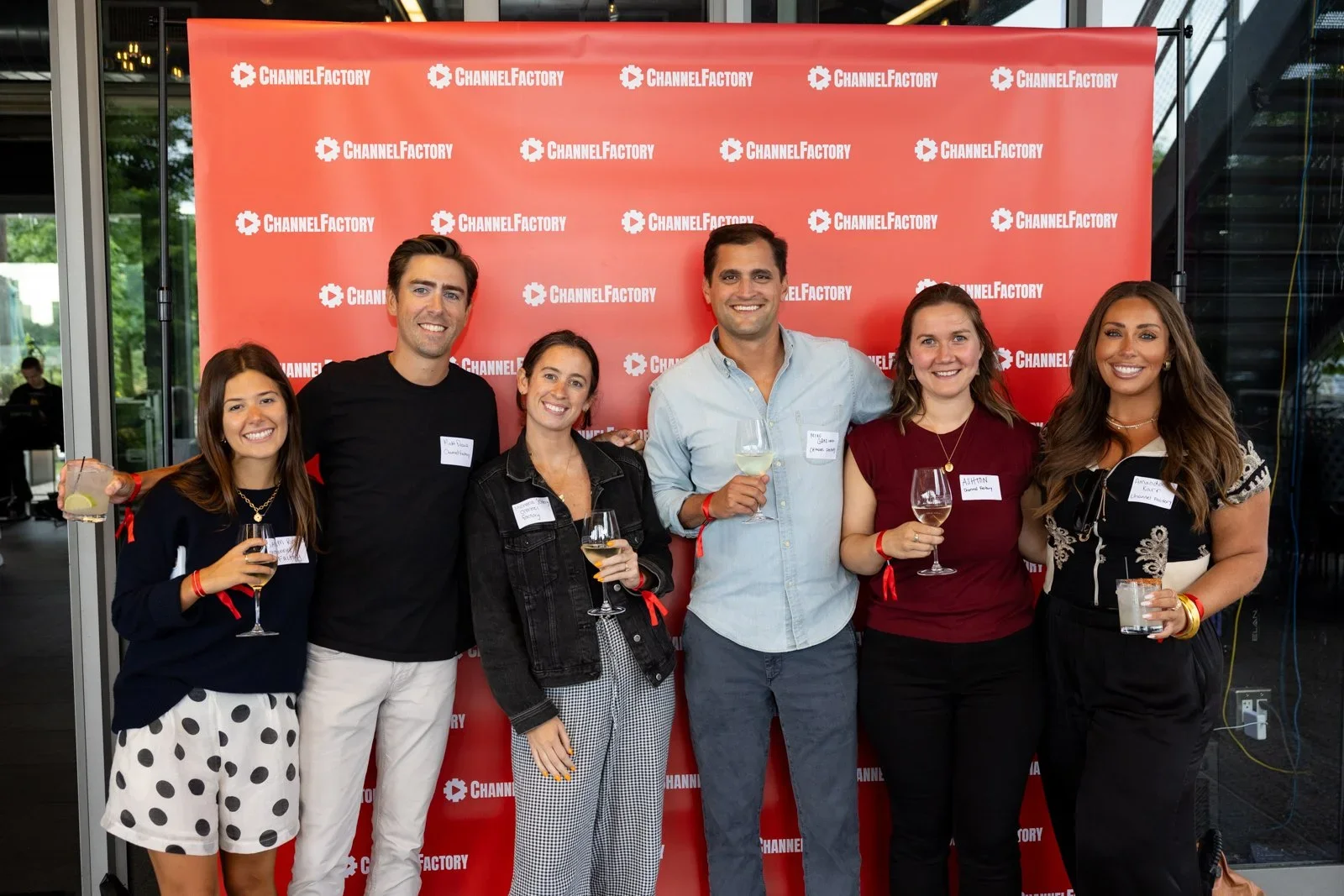
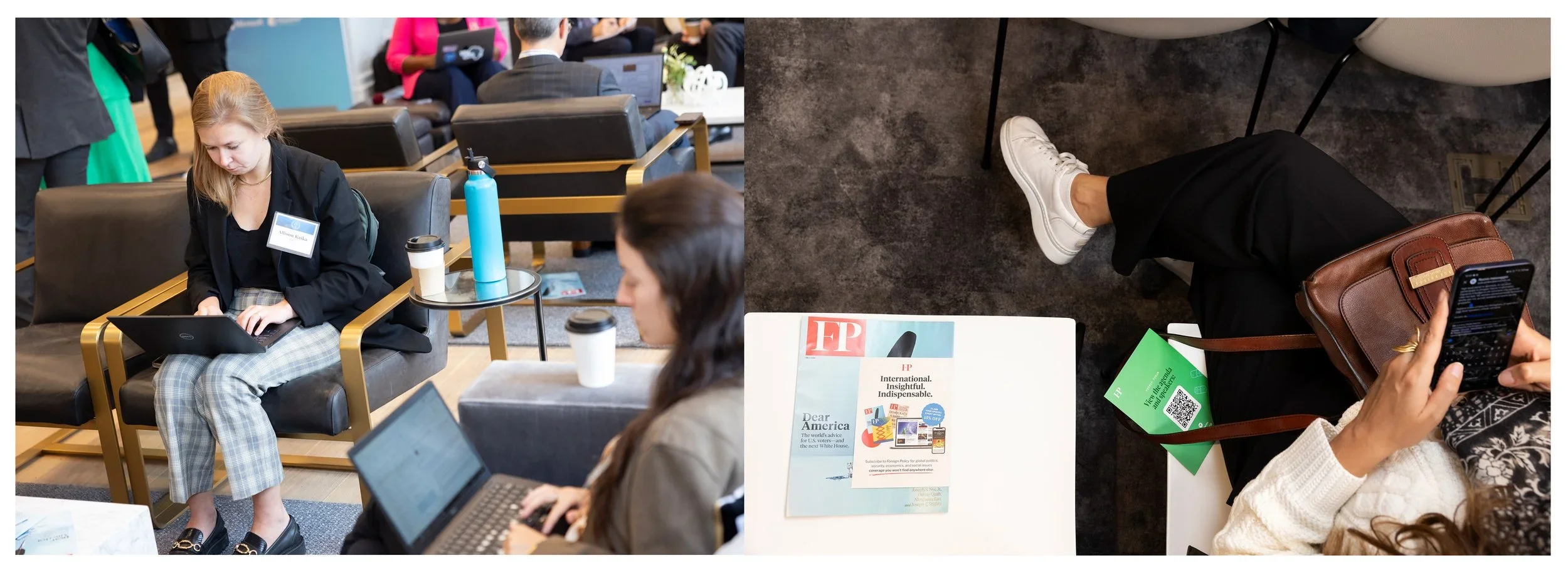
Networking events are all about connection, and our approach reflects that. Instead of waiting for staged looks, we prioritize lived moments:

  • Anticipate authentic interactions — two people laughing, introductions in mid-motion, meaningful handshakes

  • Use movement and architecture to frame conversations in environments like hotel lounges or restaurant spaces

  • Photograph both individual headshots and group interactions that show the event’s energy

  • Keep coverage flexible — not everyone connects on schedule, but everyone has a story worth documenting

These events tend to generate some of the most natural imagery: the connections and conversations reveal more about an organization’s culture than the formal agenda ever could.

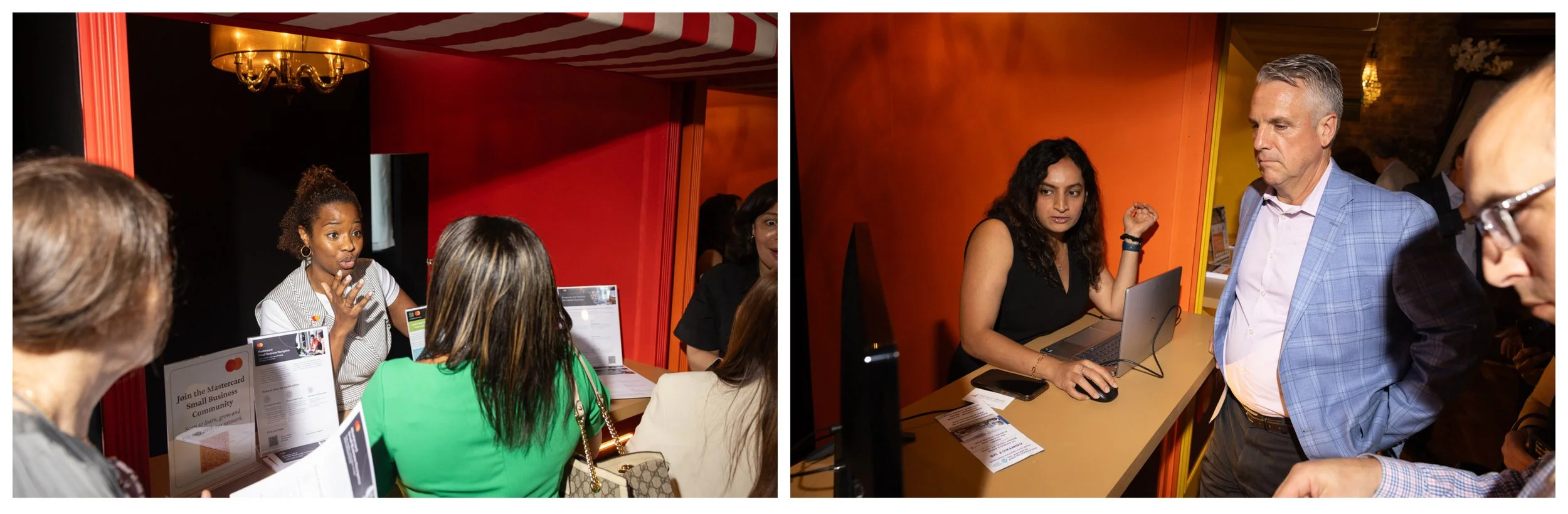
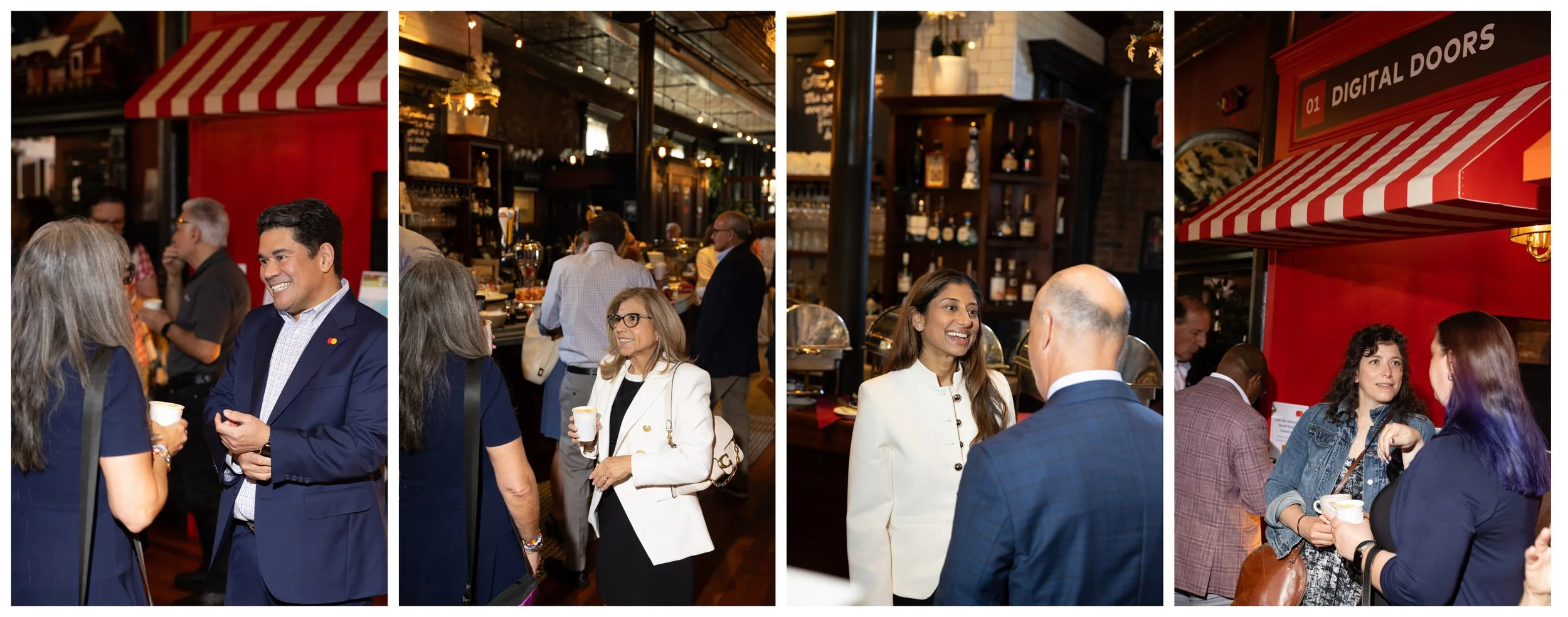
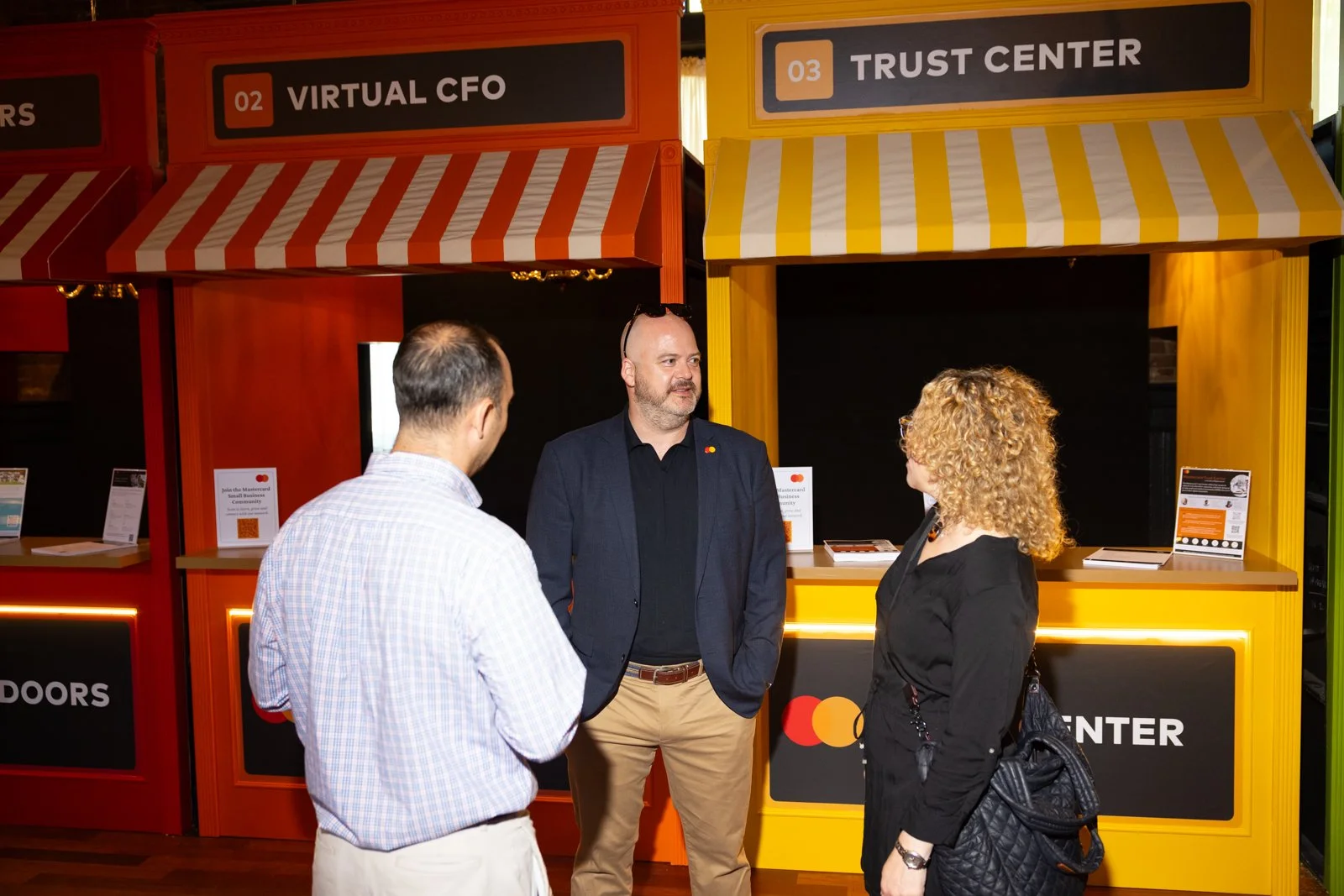
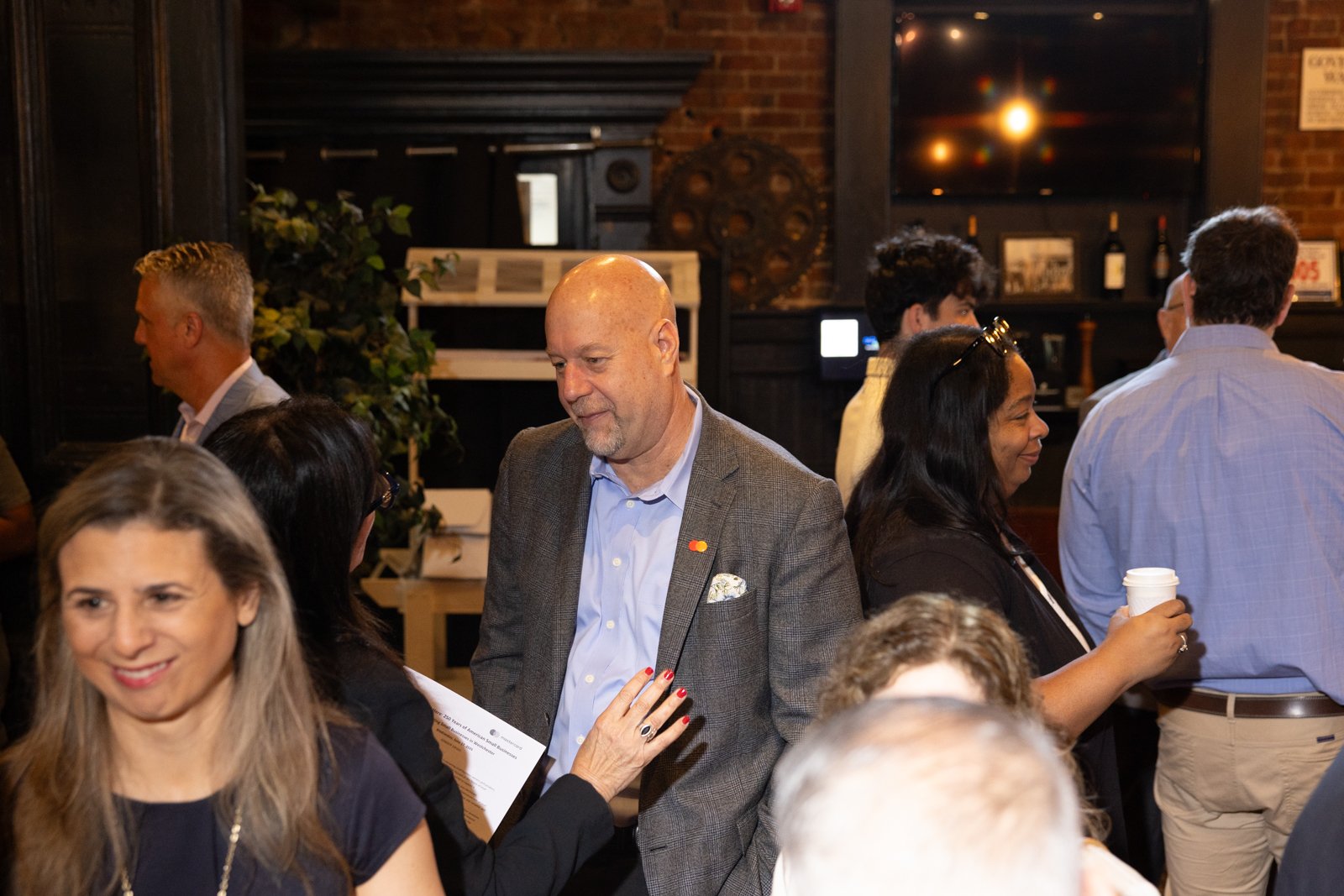
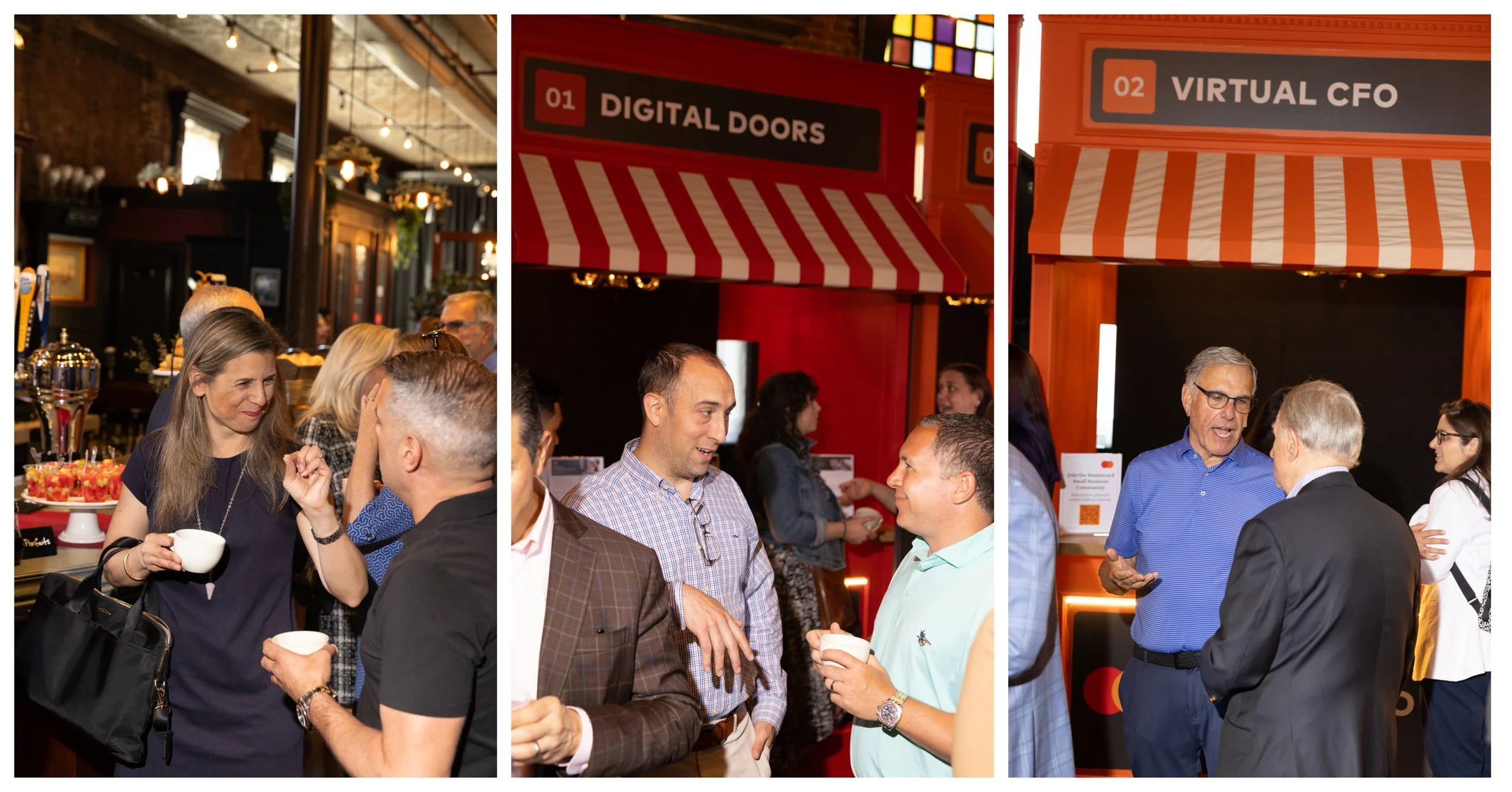
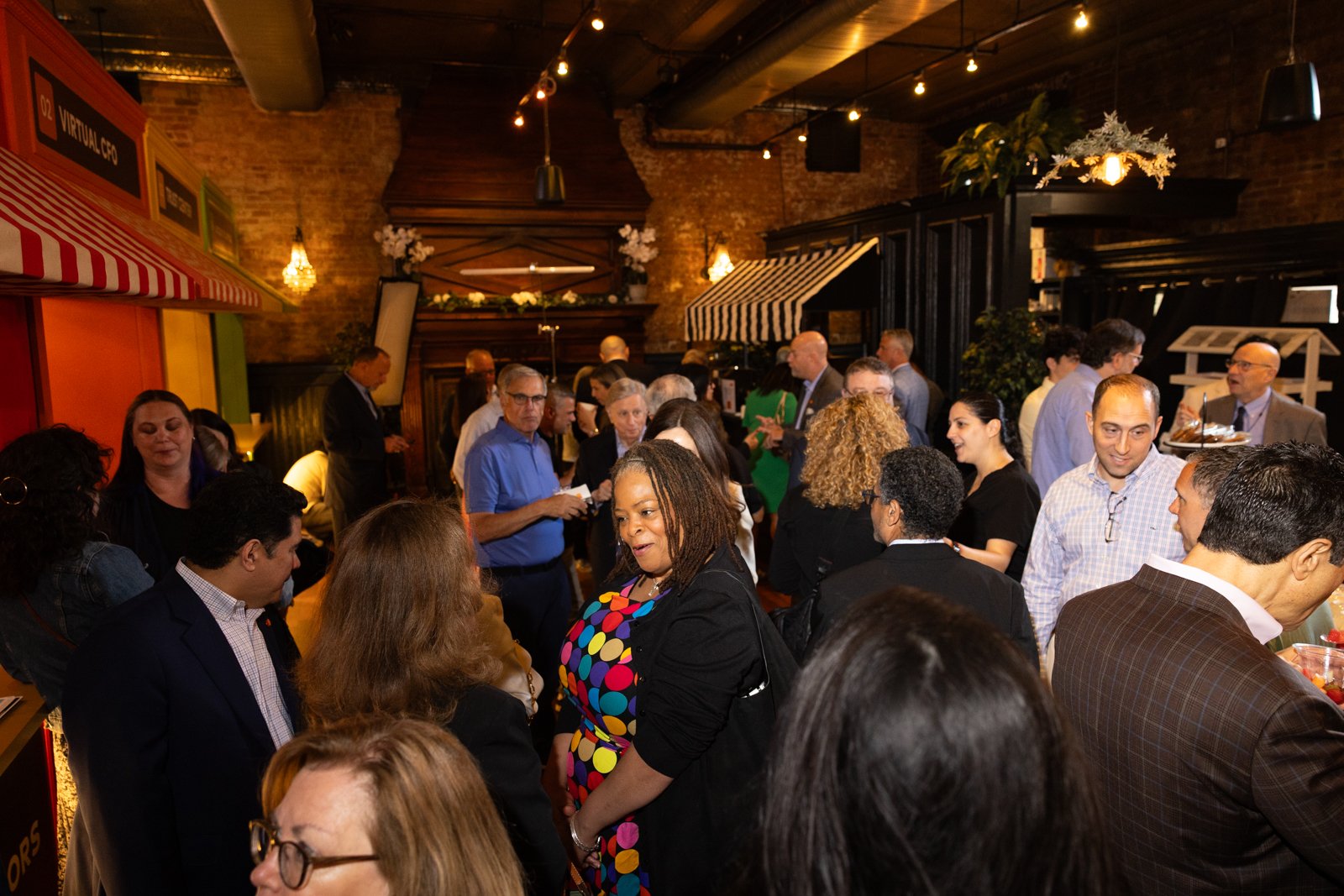
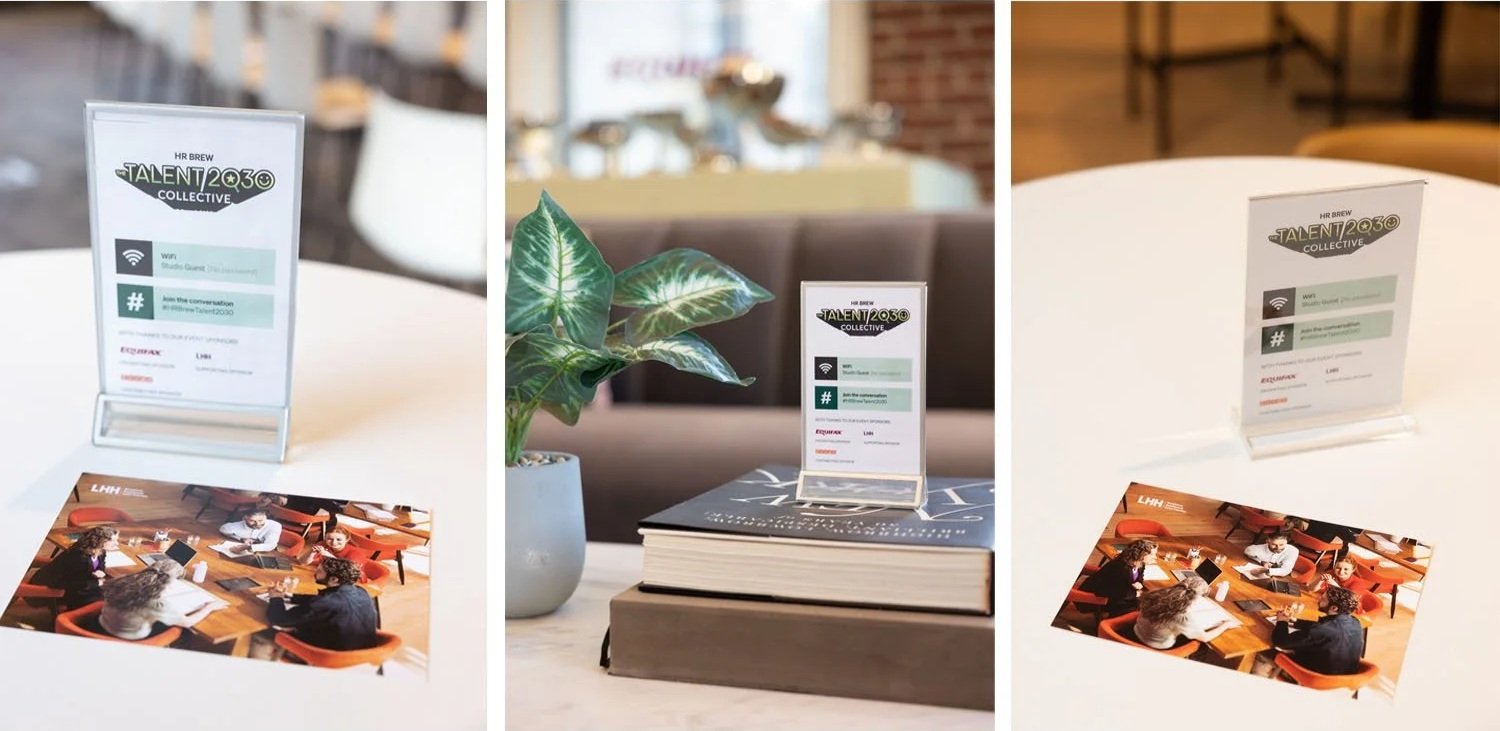
This networking event is a good example of how we focus on candid interaction and movement.

Step and Repeats

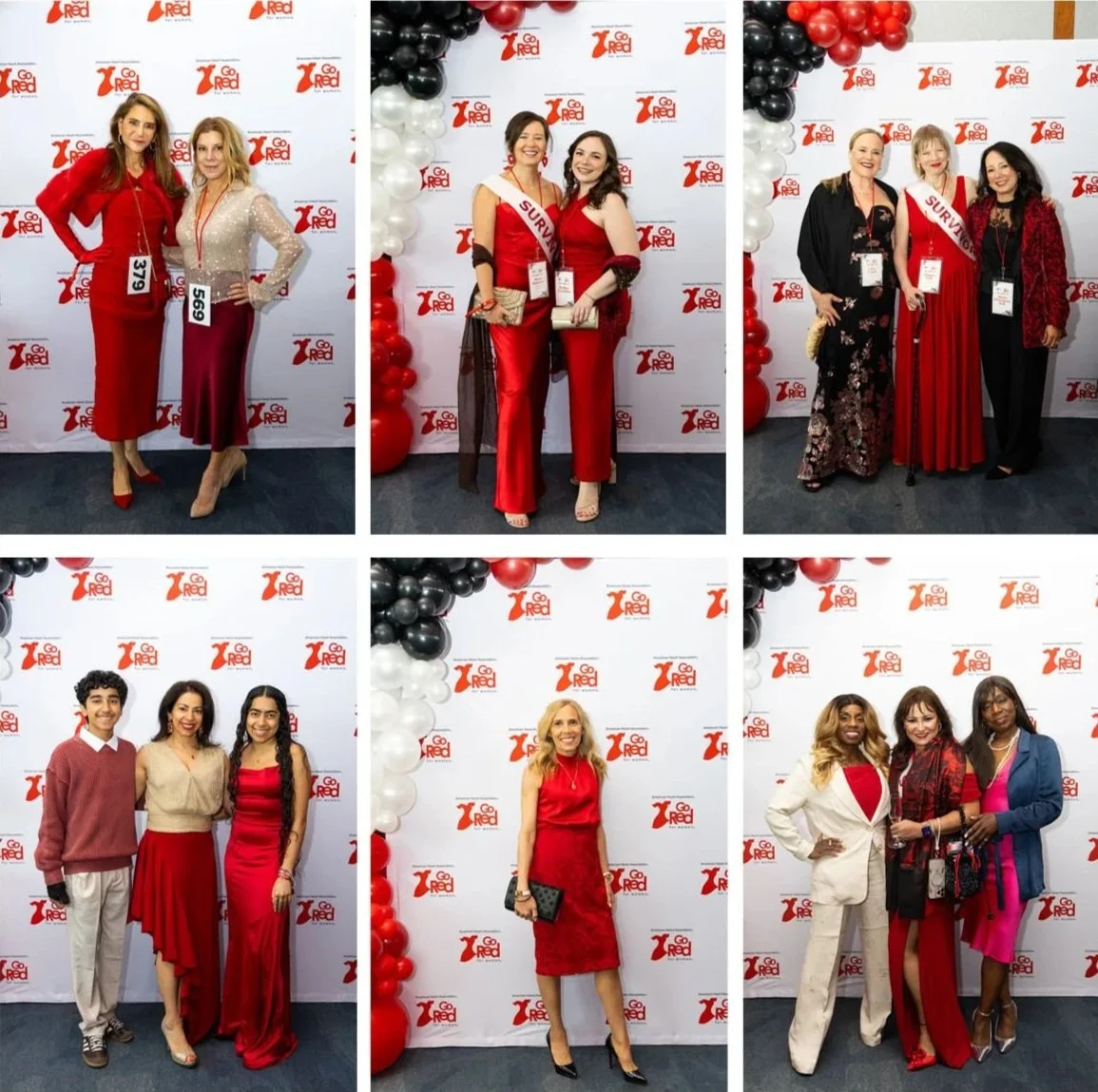
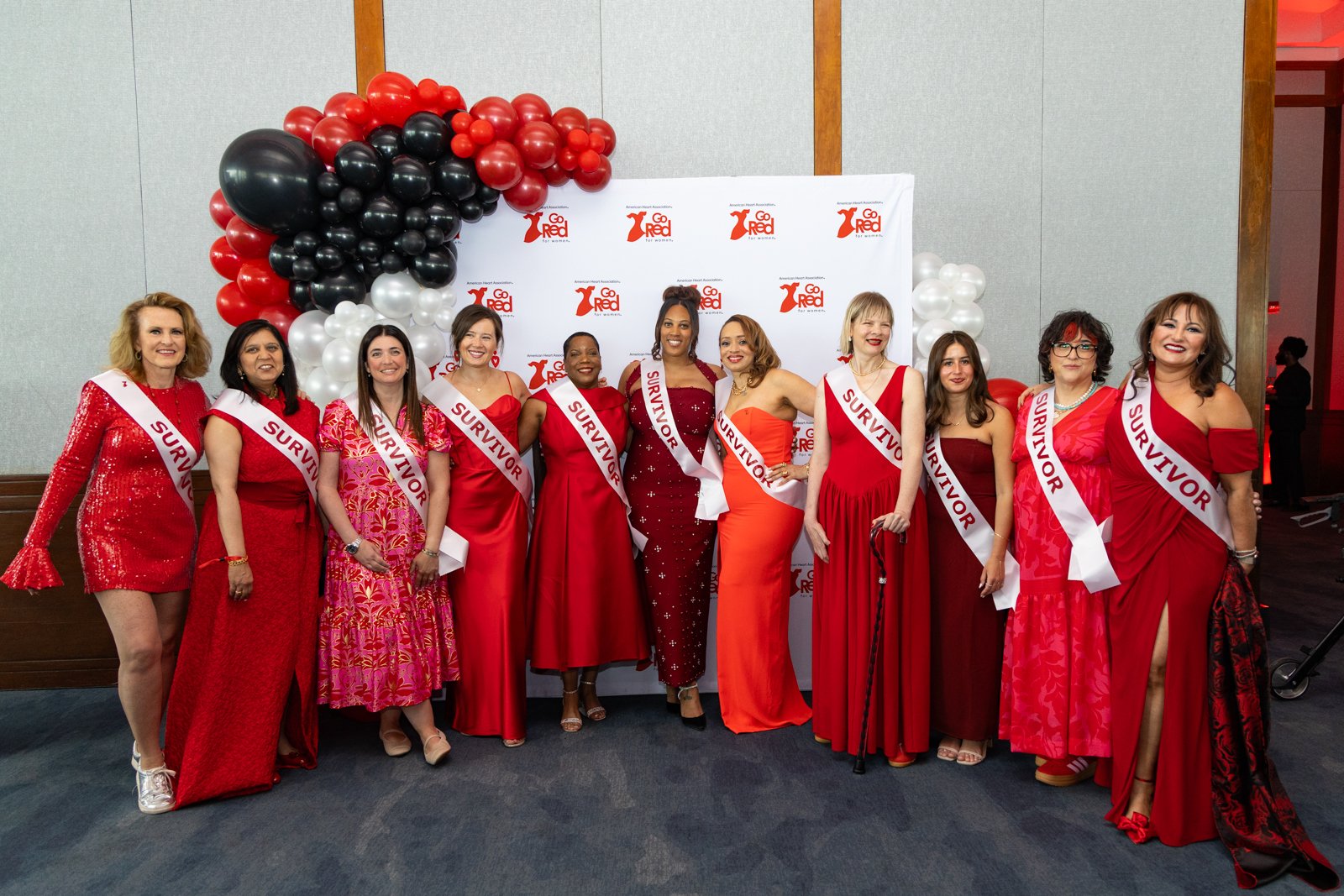
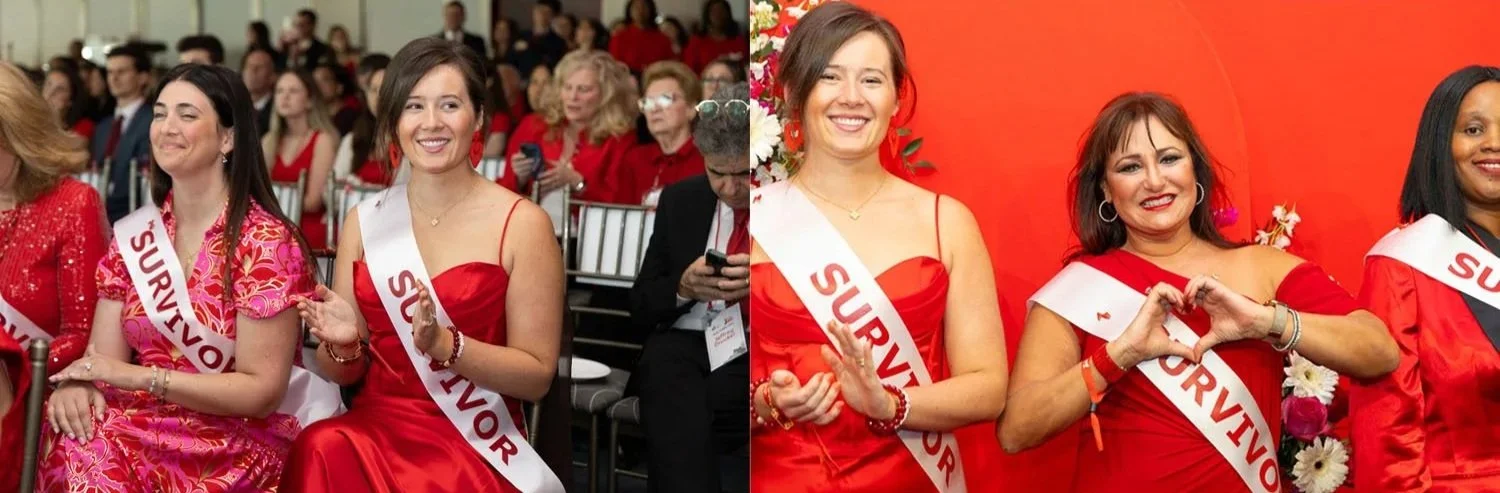
The step and repeat is one of the few moments in a corporate event that’s both intentional and public friendly. While it’s straightforward in setup, doing it well means keeping it dynamic and usable across platforms:

  • Position lighting for even, flattering coverage that avoids harsh shadows

  • Keep transitions quick so guests stay comfortable in a live setting

  • Capture both posed portraits and in-the-moment reactions

  • Deliver images that are press-ready, brand-ready, and social-ready

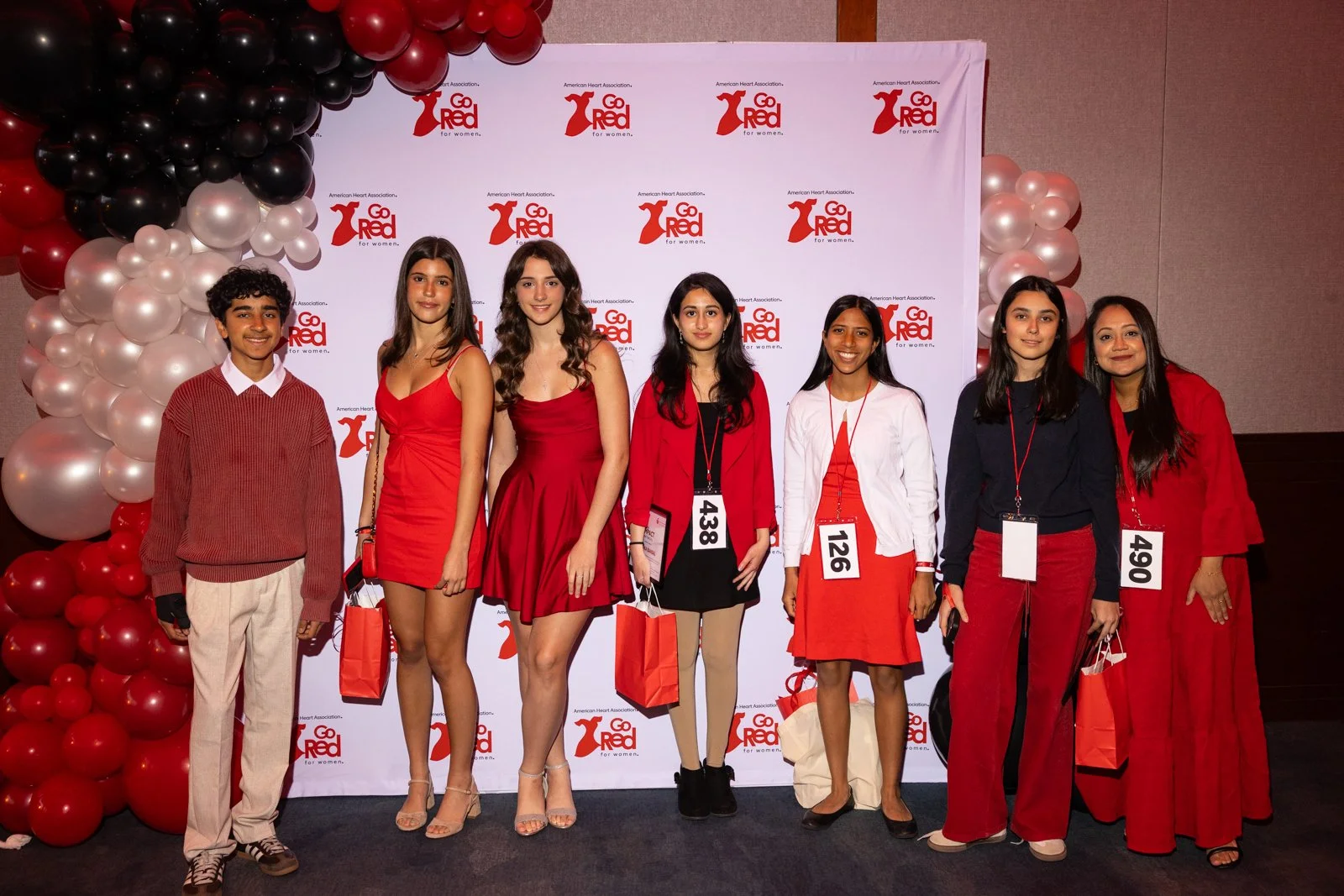
Rather than simply “checking the box,” our step and repeat coverage aims to create images that reinforce brand identity — polished, consistent, and unmistakably linked to the event experience.

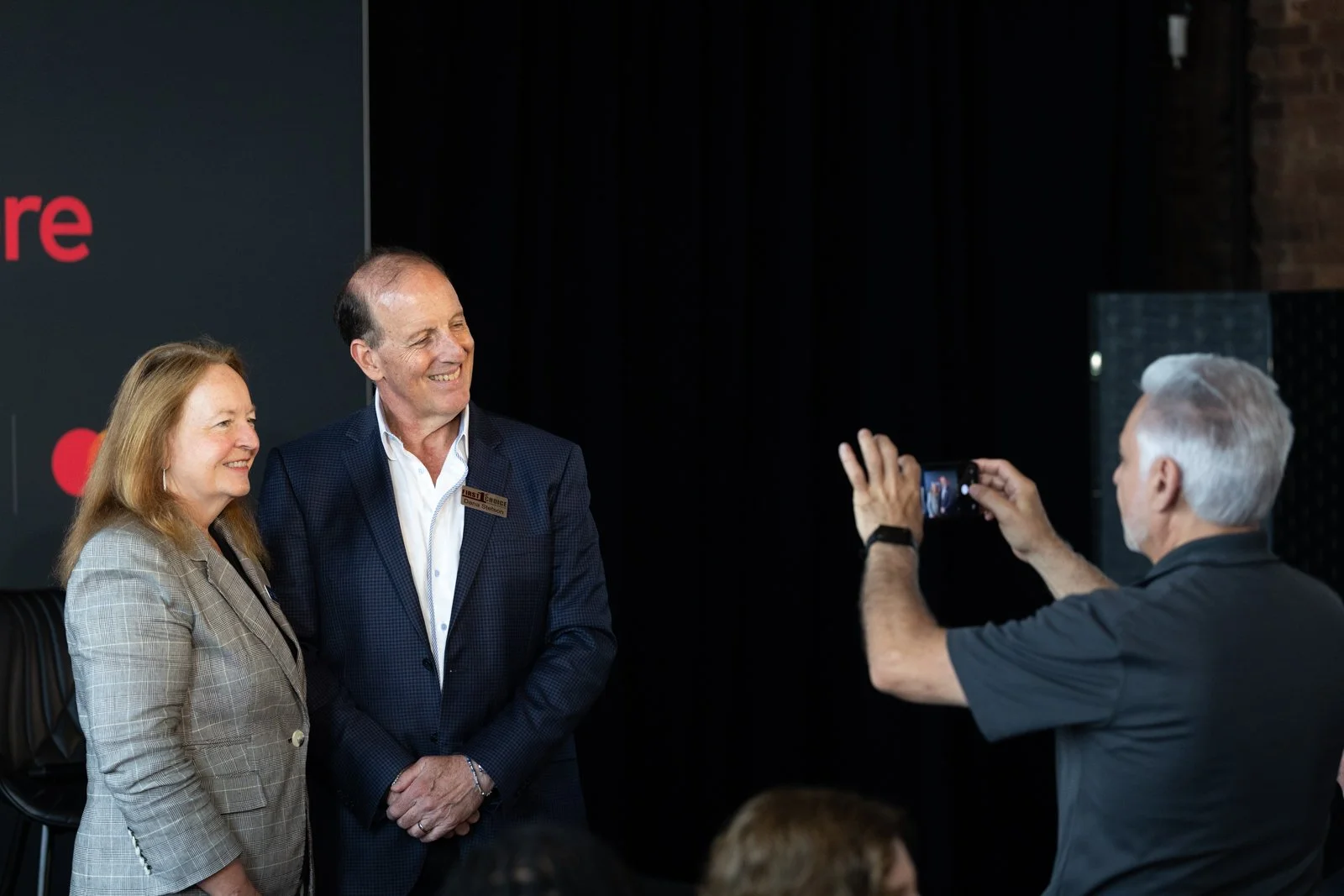
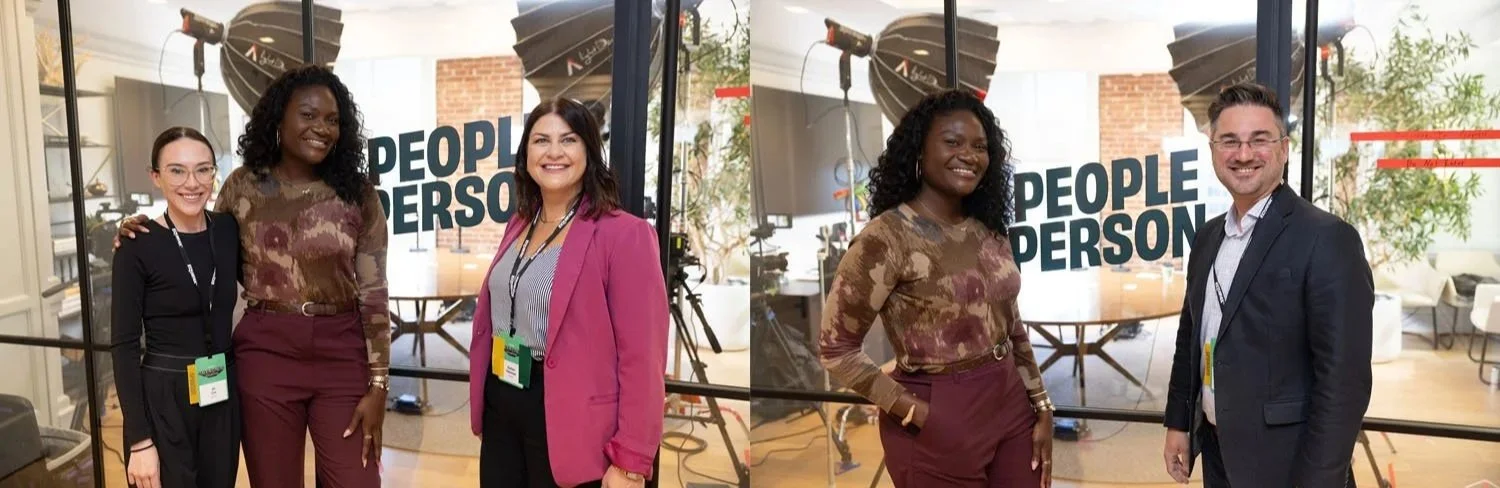
This event offers a clear example of how we photograph step and repeat moments in a live setting.

What Ties It All Together

Across panels, galas, mixers, and step and repeats, a few constants drive our approach:

  • Preparation and presence — anticipating moments before they happen

  • Storytelling coverage — mixing candid moments with key staged shots

  • Fast turnaround and usability — delivering galleries that work immediately for press, social, and internal use

  • Adaptability to the venue and energy — whether it’s a rooftop dinner, a conference room, or a lobby reception

In every setting, our goal is the same: to capture not just what happened, but how it felt. The laughter, the tension, the applause, the quiet moments between conversations — that’s the story companies use again and again long after the event has ended.

LEARN MORE ABOUT HIRING An Event photographer IN NYC

Photographing Art Gallery Openings in New York

Art gallery openings have a unique rhythm. Unlike conferences or corporate panels, the focus isn’t a stage or a schedule — it’s the work itself, the space, and the conversations that form around it. When we photograph gallery openings, our goal is to document that atmosphere: the interaction between people, artwork, and environment.

New York’s gallery scene moves quickly, especially on opening nights. Collectors, artists, curators, and guests circulate through the space, often seeing the work for the first time while connecting with others in the room. Photographing that kind of event requires a balance between documentation and observation.

Our Approach to Gallery Opening Photography

When covering gallery openings, we focus on capturing the full experience of the evening — not just the artwork on the walls, but the way people engage with it.

Key elements we pay attention to include:

  • The gallery space itself — wide images that show the layout, lighting, and installation

  • Guests interacting with the artwork — moments of observation, discussion, and reaction

  • Conversations between visitors, artists, and curators

  • Environmental details that give context to the exhibition

  • The overall flow of the evening, from early arrivals to a full room

The goal is to create images that feel authentic to the event while remaining visually clear and usable for galleries, artists, and press coverage.

Balancing Artwork and Atmosphere

One of the most important aspects of photographing gallery openings is respecting the artwork while still documenting the social environment around it. We approach this by carefully balancing composition and timing.

Some images focus on the work itself — installation views, framed by the architecture of the gallery. Others capture how visitors move through the space, pausing to look, discuss, or experience the exhibition.

Together, these perspectives create a complete record of the opening night.

Why Documentation Matters for Galleries

Images from gallery openings serve many purposes beyond the event itself. They are often used for:

  • gallery press releases

  • exhibition documentation

  • artist portfolios

  • social media announcements

  • archival records of the exhibition

Strong photography ensures the event can be shared and remembered long after the opening night has ended.

A Recent Example: Almine Rech Tribeca

The gallery images featured here were photographed at the Almine Rech Tribeca gallery in New York, a space known for its contemporary exhibitions and thoughtfully curated installations.

Events like these highlight the balance we aim for when documenting gallery openings: the artwork, the architecture of the space, and the people experiencing it.

Corporate and Cultural Event Coverage

While gallery openings have their own unique energy, our approach remains consistent across many types of events. We photograph a range of corporate and cultural gatherings throughout New York, including:

  • panel discussions

  • networking events

  • galas and fundraisers

  • corporate celebrations

  • gallery and exhibition openings

Each event has its own pace and purpose, and our role is to document it in a way that reflects both the atmosphere of the moment and the goals of the organization hosting it.

LEARN MORE ABOUT HIRING An Event photographer IN NYC

Gessi Holiday Party in New York City

Corporate events in New York City often balance structure with energy—and the Gessi holiday party did exactly that. Set against a warm, modern backdrop, the evening brought together colleagues, clients, and guests in a setting designed for both connection and celebration.

From the start, the atmosphere felt relaxed but intentional. Guests moved naturally between conversations, drinks in hand, while speakers and presentations added moments of focus throughout the evening. The space allowed for a seamless flow—never feeling staged, but always composed.

Capturing the Event

  • Environment: Warm lighting, clean design, and a social, open layout

  • Moments: Guest interactions, candid conversations, and speaker highlights

  • Details: Drinks, small groups, and natural movement throughout the space

  • Focus: A balance of editorial coverage and authentic, unscripted moments

The event unfolded in layers—quiet conversations, larger group interactions, and moments of attention during speeches. Each element contributed to a gallery that feels both polished and genuine.

Why Corporate Event Photography Matters

Strong event coverage goes beyond documenting what happened—it captures how it felt to be there.

  • Natural interactions create a sense of authenticity

  • Speaker moments add structure and narrative

  • Environmental details help define the brand and setting

For corporate events in NYC, the goal is always to create images that reflect both the event's energy and its identity.

Planning a corporate event in NYC?
Thoughtful coverage ensures every moment—from candid interactions to key presentations—is captured with clarity and intention. Reach out to document your next event with a refined, editorial approach.